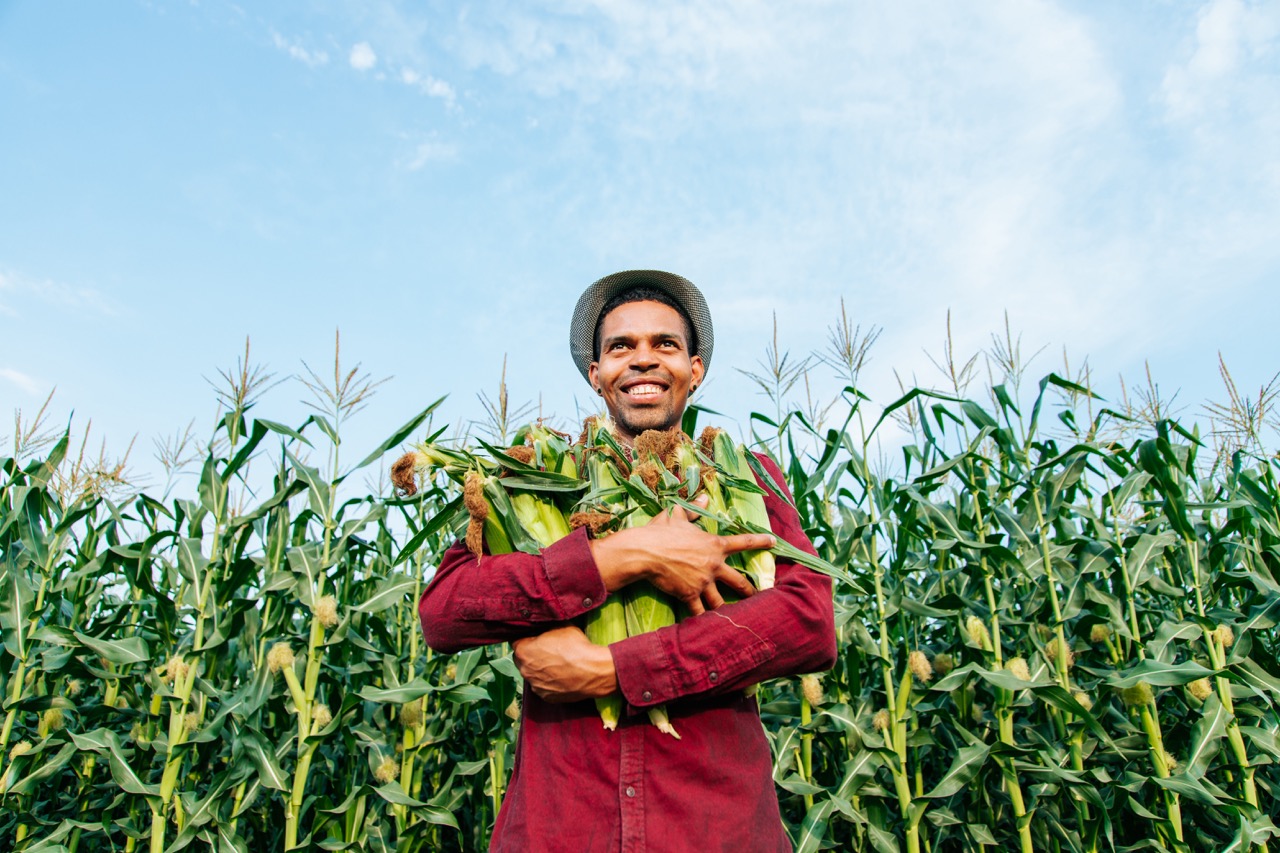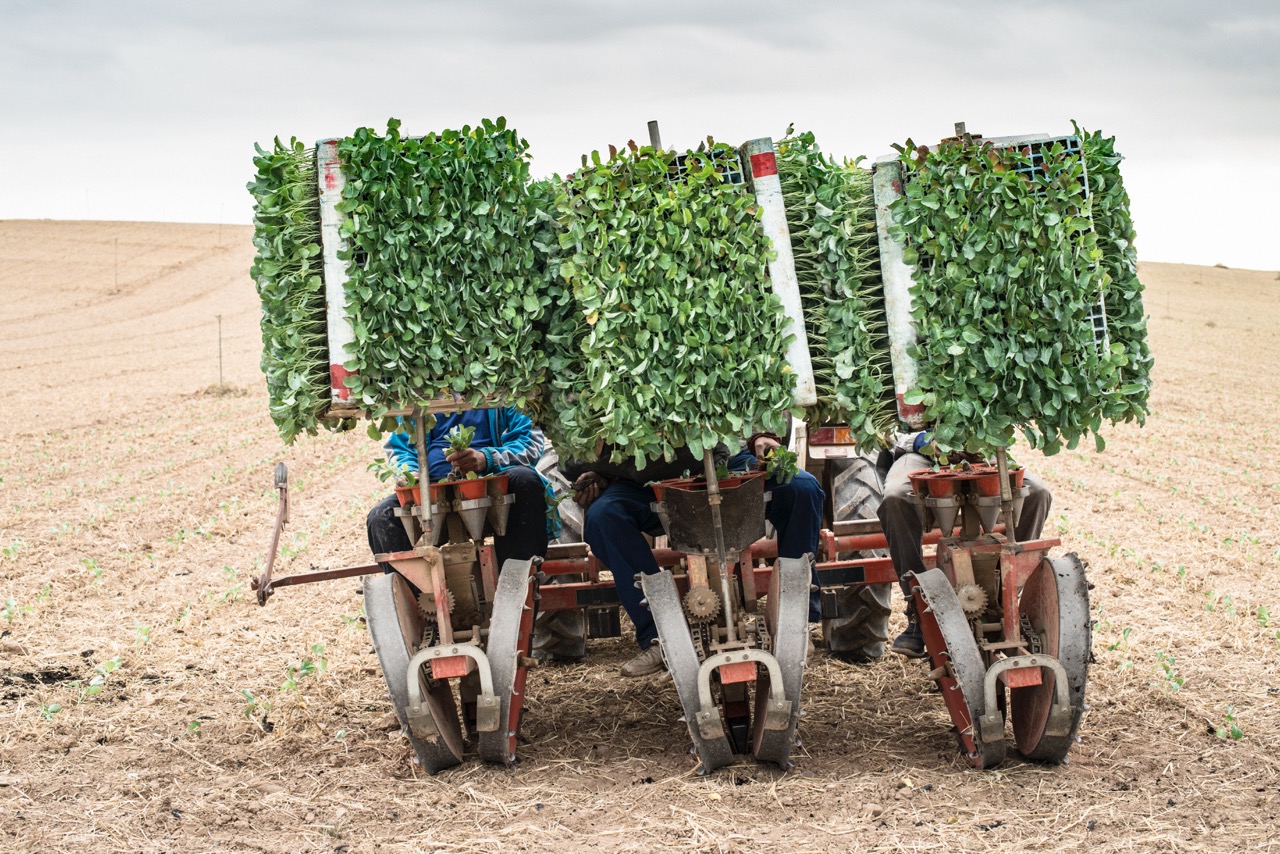




In an era characterized by growing food insecurity, climate change, and pressure on agricultural resources, crop sharing emerges as a vital concept in sustainable agriculture. Crop sharing, which involves a cooperative system where farmers share land, resources, and the resulting produce, not only enhances food production but also fosters community engagement. This article explores the significance of crop sharing in sustainable practices, its role in enhancing community resilience, its potential to address global food insecurity, and the policy implications that can promote such initiatives.
The Role of Crop Sharing in Sustainable Agriculture Practices
Crop sharing is integral to sustainable agriculture as it encourages resource optimization and biodiversity. By pooling resources, farmers can access better tools, seeds, and technologies that may otherwise be beyond their financial reach. This collective approach enables the adoption of innovative agricultural practices while reducing individual risk. Moreover, sharing land and resources can lead to diversified cropping systems, which are essential for maintaining soil health and increasing resilience against pests and climate variability.
Furthermore, crop sharing fosters a sense of community among farmers, promoting knowledge exchange and collaborative problem-solving. When farmers work together, they share techniques and strategies that can lead to improved crop yields and sustainable farming practices. This communal learning process helps create a more sustainable agricultural landscape that can better withstand environmental challenges. As farmers develop trust and interdependence, they also create social networks that can support them in times of crisis, such as natural disasters or economic downturns.
Additionally, crop sharing contributes to the reduction of agricultural waste. By collaborating and coordinating planting and harvesting schedules, farmers can optimize their use of land and resources, minimizing the chances of surplus or unsold produce. This efficiency not only reduces waste but also ensures that the food produced is utilized effectively, contributing to overall sustainability in food systems. In this way, crop sharing serves as a foundational element in the advancement of environmentally sustainable agricultural practices.
Enhancing Community Resilience Through Cooperative Farming
Cooperative farming through crop sharing strengthens community resilience by creating economic stability in rural areas. When communities engage in collective farming efforts, they can share profits, thereby providing a more reliable income source for all involved. This financial stability leads to improved livelihoods and fosters economic growth in the community. By working together, farmers can withstand market fluctuations that could otherwise jeopardize their individual operations.
Moreover, the social cohesion that develops in cooperative farming environments enhances community networks. These networks become vital during times of crisis, providing support not just in agricultural matters but also in social and economic aspects of life. For instance, during a drought or pest invasion, crop-sharing communities can mobilize quickly to offer assistance to one another, whether through sharing resources, labor, or knowledge. This collective approach builds a culture of mutual aid, reinforcing the community’s ability to recover and adapt.
Finally, cooperative farming can also play a crucial role in encouraging younger generations to pursue careers in agriculture. Engaging youths in crop-sharing initiatives cultivates an understanding of sustainable practices and provides them with hands-on experience. As younger individuals witness the benefits of collective farming—such as improved harvests and stronger community bonds—they may be more inclined to remain in or return to their agricultural roots. This transition is essential for ensuring that sustainable farming practices continue and evolve, ultimately leading to more robust food systems.
Crop Sharing: A Solution to Global Food Insecurity Challenges
Globally, food insecurity remains a pressing issue, affecting millions of people. Crop sharing offers a practical solution by increasing food production and improving access to fresh produce. When farmers work collaboratively, they can maximize yields, reduce production costs, and enhance their market reach. This approach not only ensures that more food is available but also addresses the economic barriers that prevent marginalized communities from accessing nutritious food.
In addition, crop sharing encourages the cultivation of diverse crops, which is essential for food security. By working together, farmers can cultivate a variety of crops that meet the nutritional needs of their communities, minimizing reliance on single staple crops. This diversification improves dietary diversity, which is critical for combating malnutrition and promoting overall health. Furthermore, by sharing crop varieties, farmers can preserve indigenous seeds and traditional agricultural practices, contributing to food sovereignty and cultural heritage.
Lastly, crop sharing can alleviate the pressures exerted by climate change on food production. Cooperative farming systems are often better equipped to implement adaptive strategies, such as crop rotation and organic farming practices, which can mitigate environmental impacts. By collectively adopting these strategies, communities can better respond to climate-related challenges, ensuring a more stable and resilient food supply. This adaptability is key to addressing food insecurity in the face of a changing climate.
Policy Implications for Promoting Crop Sharing Initiatives
To harness the benefits of crop sharing, policymakers must prioritize the development of supportive frameworks that encourage cooperative agriculture. This can include providing financial incentives, such as grants or low-interest loans, specifically for cooperative farming initiatives. By alleviating financial burdens, policymakers can enable more farmers to participate in crop sharing arrangements, thereby boosting agricultural productivity and community resilience.
Additionally, education and training programs are essential for promoting crop sharing practices. Policymakers should invest in training initiatives that teach farmers about cooperative models, sustainable agriculture techniques, and effective resource management. By equipping farmers with the necessary skills and knowledge, governments can foster a culture of collaboration and innovation, leading to more successful crop-sharing ventures.
Finally, creating a supportive legal and regulatory environment is crucial for the success of crop sharing initiatives. Policymakers should work to ensure that land use regulations and property rights facilitate collaboration among farmers. Legal frameworks that recognize and promote cooperative farming arrangements can provide a solid foundation for crop sharing, enabling communities to thrive while addressing food insecurity challenges more effectively.
In conclusion, crop sharing is a multifaceted approach that addresses the complex challenges of food security, sustainability, and community resilience. By fostering collaboration among farmers, promoting diverse agricultural practices, and enhancing economic stability, crop sharing serves as a viable solution to food insecurity on a global scale. Policymakers have a critical role to play in promoting initiatives that support cooperative farming, ensuring that communities can access nutritious food sustainably and work together to build a more resilient agricultural future. The importance of crop sharing cannot be overstated; it is not just a farming practice but a pathway toward a more secure and sustainable food system for all.