


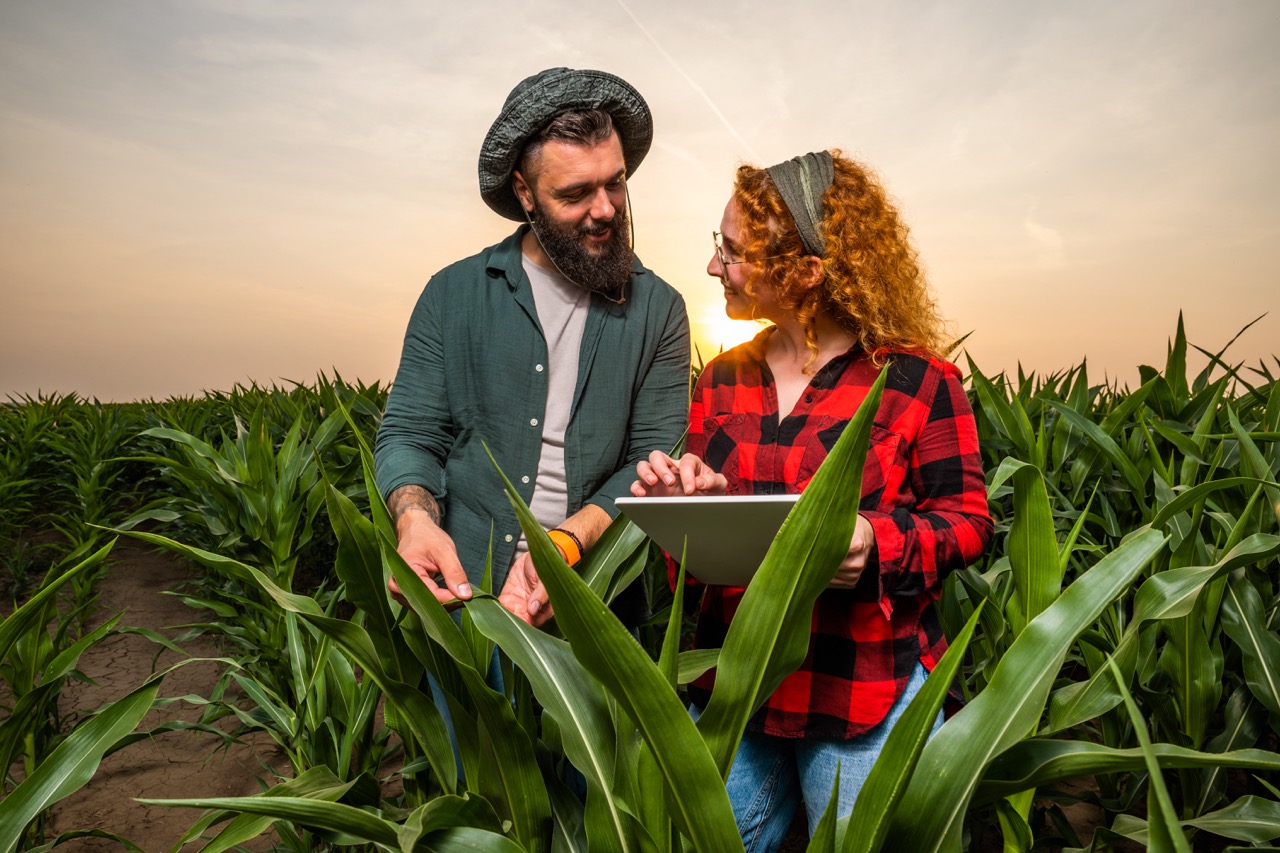
The age-old practice of sharecropping has long been a cornerstone of agricultural economies, particularly in rural regions where traditional farming methods prevail. As the world faces increasing demands for food security and sustainable practices, integrating innovative farming techniques into sharecropping models presents a viable path forward. This article explores how new agricultural practices can be effectively woven into the fabric of traditional sharecropping, ensuring that both economic viability and environmental sustainability are achieved.
Understanding Sharecropping: A Historical Perspective
Sharecropping emerged in the United States in the aftermath of the Civil War, designed as a system that allowed landowners to leverage labor while providing poor farmers—often freed slaves—a means of livelihood. Under this model, sharecroppers would work a portion of land in exchange for a share of the crop yield, usually divided between the landowner and the laborers. However, sharecropping has historically been criticized for perpetuating cycles of poverty and dependency, as sharecroppers often found themselves in a relentless cycle of debt and economic hardship.
Over the decades, the sharecropping model has evolved but still retains its core characteristics in many regions around the world. It remains prevalent in parts of Africa, Asia, and Latin America, where land ownership is concentrated among a small percentage of the population. The continued reliance on this system underscores the importance of understanding its historical context and the socioeconomic challenges faced by sharecroppers. Recognizing these challenges is crucial when introducing innovative farming practices that aim to enhance productivity and sustainability.
Today, as global agricultural practices face scrutiny over environmental sustainability and climate change, the need for integrating new techniques into sharecropping systems is more urgent than ever. Traditional practices often rely heavily on resource-intensive methods that can lead to soil degradation and reduced biodiversity. By examining the historical underpinnings of sharecropping, stakeholders can better appreciate the need for a balanced approach that honors tradition while embracing the innovations that can lead to a more resilient agricultural future.
Innovative Farming Techniques: Bridging Tradition and Change
The advent of precision agriculture, organic farming, and agroecology offers a wealth of innovative techniques that can be adapted to sharecropping models. Precision agriculture, which utilizes technology such as GPS and data analytics, allows farmers to optimize their resource use, from soil amendments to water application. Such practices can significantly enhance yield while minimizing environmental impact, making them attractive options for sharecroppers who often operate on limited resources.
Organic farming presents another opportunity for sharecroppers to diversify their livelihoods while aligning with growing consumer demand for sustainable produce. By transitioning to organic methods, sharecroppers can potentially capture higher market prices and access niche markets that prioritize environmentally friendly products. This shift not only has the potential to increase farmers’ incomes but also contributes to the restoration of degraded ecosystems and improved soil health.
Agroecology, which emphasizes biodiversity and the use of local resources, can also serve as a model for integrating new practices within traditional sharecropping systems. By fostering a symbiotic relationship between crops and their environment, agroecological practices can enhance resilience to climate change and reduce reliance on chemical inputs. The challenge lies in effectively communicating these benefits to sharecroppers, ensuring that they understand how such innovations can fit within their existing frameworks.
Collaborating for Success: Engaging Sharecroppers in Transition
Successful integration of new farming techniques into sharecropping models requires robust collaboration between stakeholders, including agricultural extension services, NGOs, and the sharecroppers themselves. Engaging sharecroppers from the outset is essential, as their insights and experiences can guide the selection of appropriate practices that align with local conditions and cultural norms. This participatory approach fosters a sense of ownership among sharecroppers, increasing the likelihood of successful adoption.
Training programs that emphasize hands-on learning and peer-to-peer knowledge sharing can empower sharecroppers to experiment with new techniques in a supportive environment. Workshops, field demonstrations, and farmer cooperatives can serve as platforms for sharing best practices, thus fostering a community of practice focused on innovation and sustainability. This model not only enhances the skills of sharecroppers but also strengthens their social networks, promoting resilience against economic and environmental challenges.
Furthermore, financial support and access to credit are crucial in enabling sharecroppers to invest in new technologies and practices. Microfinance initiatives and government-backed loans can provide the necessary funding to facilitate transitions. By ensuring that sharecroppers have the resources to implement innovative practices, stakeholders can help create an agricultural ecosystem that thrives on collaboration and mutual benefit.
Measuring Impact: Evaluating New Practices in the Field
As new farming practices are adopted within sharecropping systems, it is imperative to establish robust metrics for evaluating their impact. Baseline data on yields, soil health, and economic indicators must be collected to facilitate meaningful comparisons over time. Such rigorous evaluation helps to identify which practices are most effective and highlights areas for further improvement, ensuring that resource allocation is effectively targeted.
Moreover, qualitative assessments, including farmer testimonials and community feedback, can provide valuable insights into the socio-economic benefits of integrating innovative practices. Understanding the human element—how new techniques affect day-to-day livelihoods, social structures, and community cohesion—adds depth to the evaluation process. This holistic approach helps to frame the narrative around the efficacy of transitioning to new methods within traditional sharecropping.
Ultimately, measuring the impact of new practices in sharecropping not only aids in refining agricultural interventions but also serves as a powerful advocacy tool. Demonstrating tangible benefits can attract further investment and support from policymakers, NGOs, and private sector actors. As the global agricultural landscape continues to evolve, establishing these evaluation frameworks will be critical in ensuring that sharecroppers are not left behind in the quest for sustainable farming practices.
Integrating new farming techniques into traditional sharecropping models presents both challenges and opportunities. By understanding the historical context of sharecropping and fostering collaborative relationships with sharecroppers, stakeholders can effectively bridge the gap between tradition and innovation. Measuring the impact of these new practices will be crucial to ensure their long-term success and sustainability. As we move forward, a concerted effort to empower sharecroppers through education, financial support, and participatory practices will be key in transforming agricultural systems for a more sustainable future.