

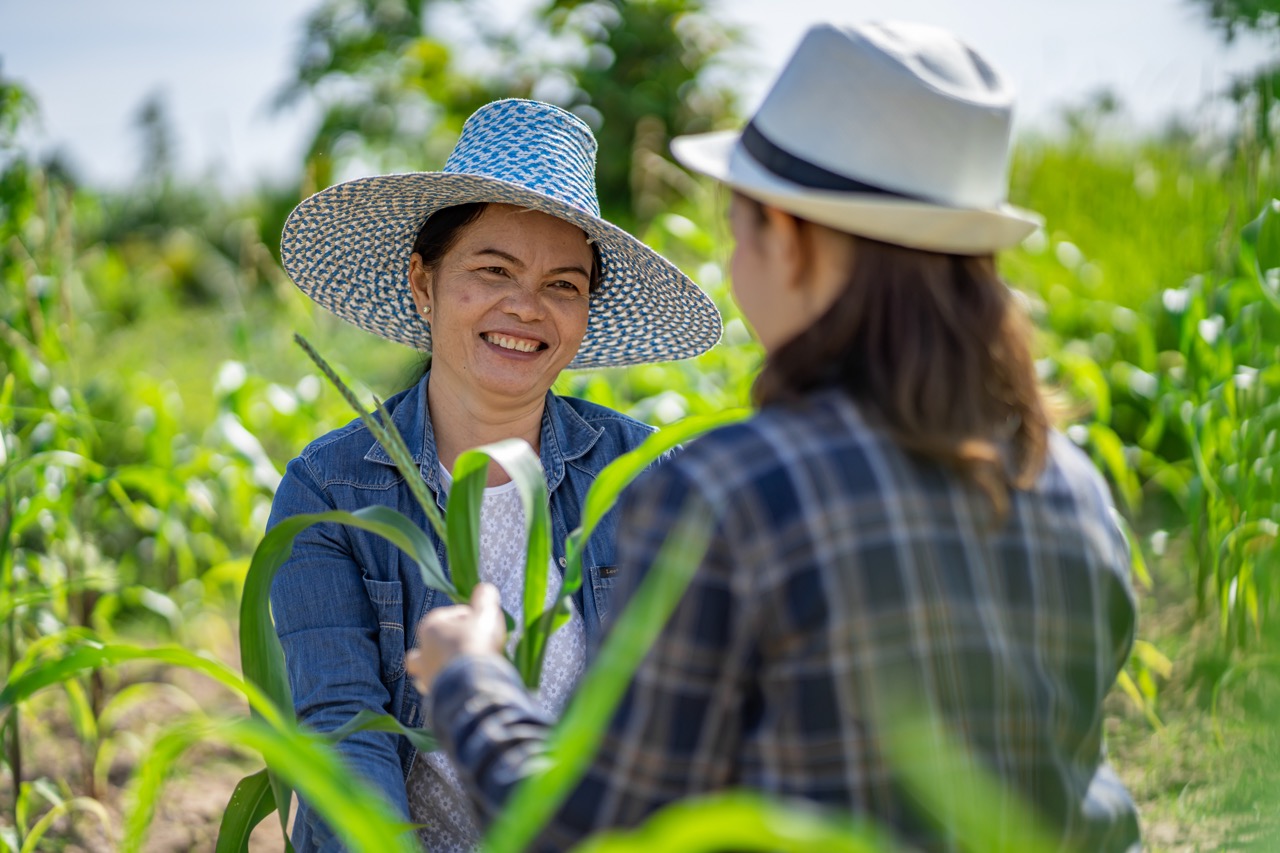
In the face of increasing concerns over soil depletion and the sustainability of agricultural practices, sharecropping is emerging as a viable solution. Historically associated with the agrarian economies of the past, this farming model not only provides economic opportunities for farmers but also has the potential to prevent overfarming and promote healthier ecosystems. By allowing for collaborative farming arrangements, sharecropping can foster a more sustainable approach to agriculture, ensuring the longevity of the land and the communities that rely on it.
Understanding Sharecropping: A Sustainable Farming Model
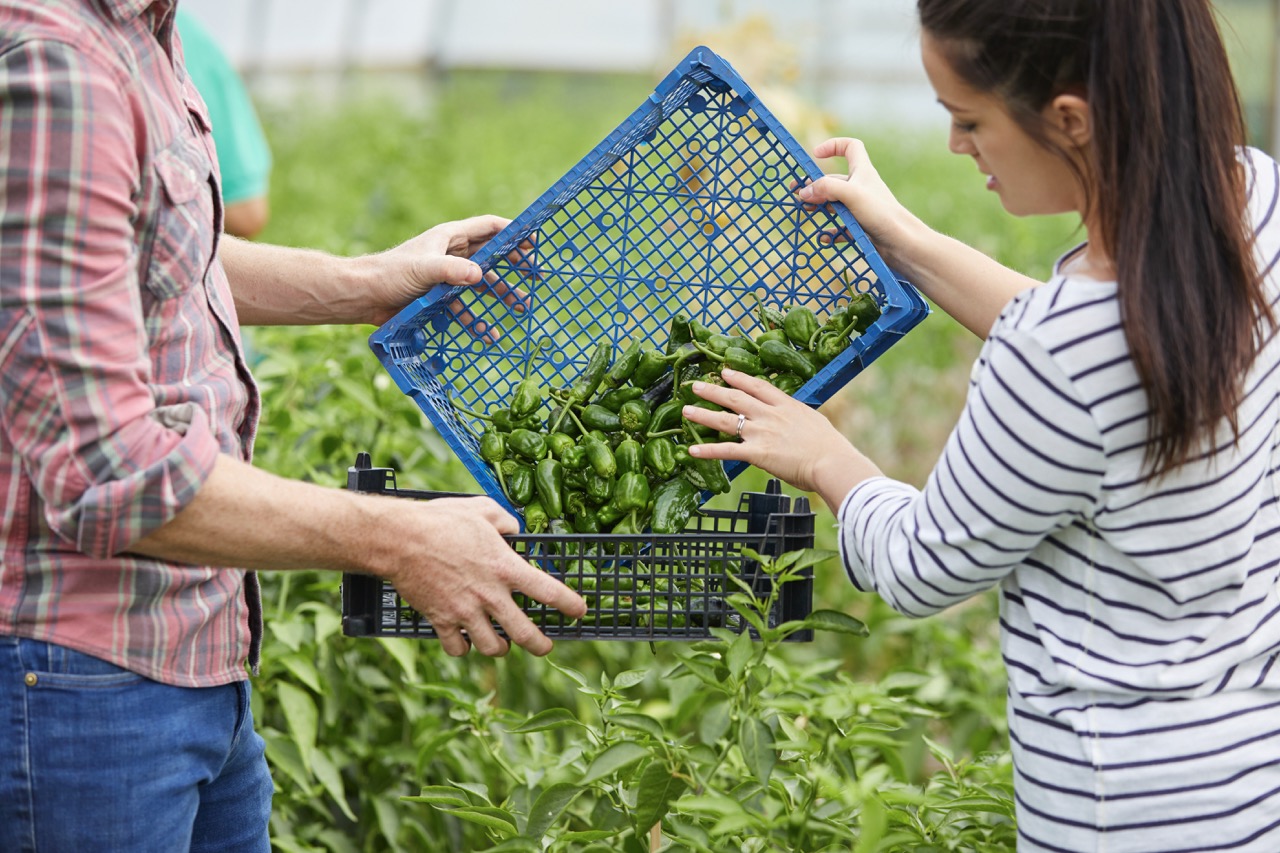
Sharecropping is a system where landowners allow tenants to farm their land in exchange for a share of the crops produced. This arrangement can engage local communities while promoting sustainable practices since sharecroppers have a vested interest in the land’s health and productivity. Unlike traditional farming models, which often favor monoculture and intensive tilling, sharecropping encourages a more holistic view of land management. Sharecroppers are often motivated to maintain the land’s fertility over the long term, knowing that their livelihoods depend on it.
The flexibility inherent in sharecropping can lead to the implementation of sustainable practices that are often neglected in conventional farming. For instance, sharecroppers may adopt organic farming techniques or integrate livestock into their crop production systems, enhancing biodiversity and reducing reliance on chemical fertilizers. These practices not only contribute to healthier soil and crops but also ensure economic viability for the farmers involved. As a result, sharecropping serves as a model of sustainability, balancing economic needs with environmental stewardship.
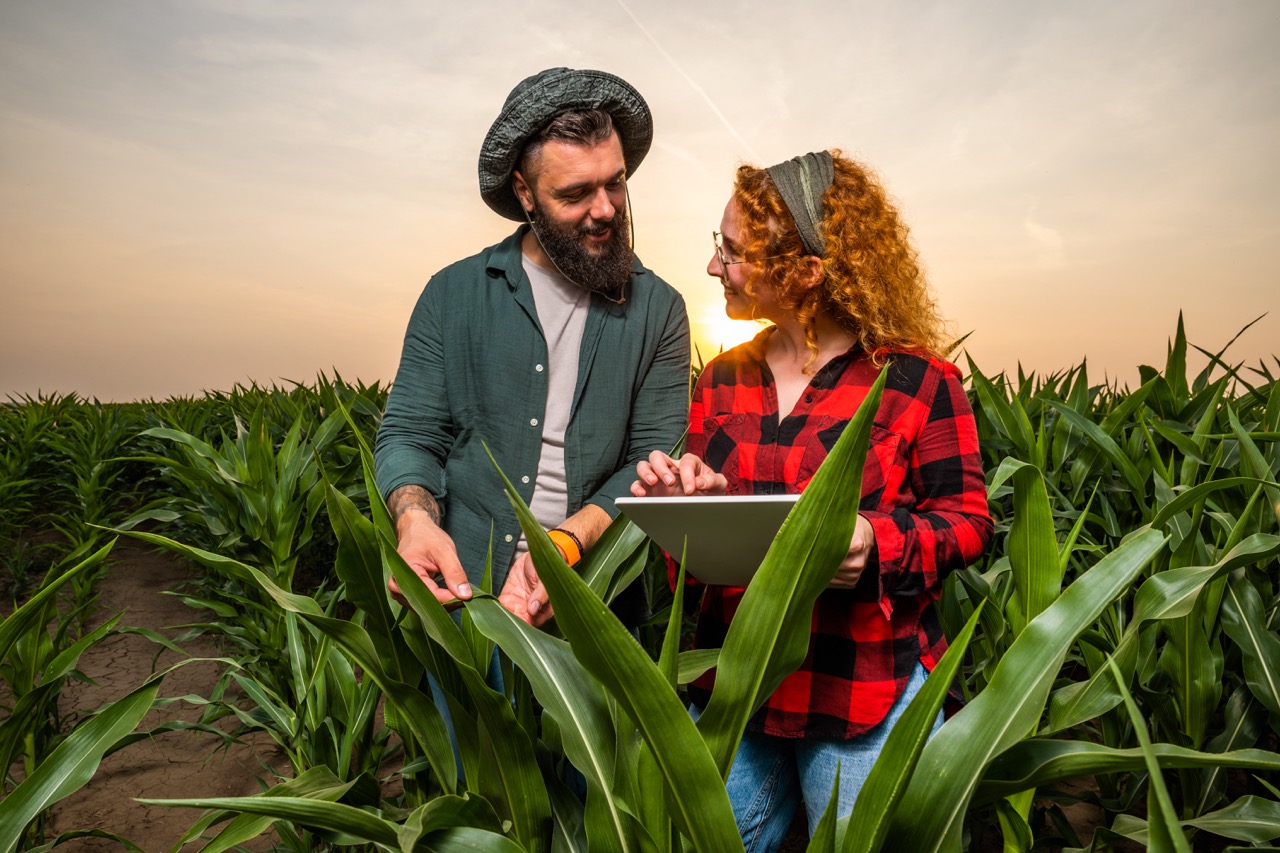
Additionally, sharecropping encourages collaboration among farmers, leading to the sharing of knowledge, resources, and best practices. This communal approach can facilitate the adoption of innovative farming techniques, including agroecological practices that promote soil health. By pooling resources, sharecroppers can also invest in sustainable technologies and infrastructure, such as drip irrigation and organic fertilizers, which further enhance their productivity while safeguarding the land.
The Impact of Overfarming on Soil Health and Ecosystems
Overfarming refers to the excessive and unsustainable use of land, leading to soil degradation, erosion, and a decline in overall soil fertility. This practice not only diminishes the land’s agricultural potential but also impacts surrounding ecosystems. Over time, soils can become depleted of essential nutrients, resulting in lower crop yields and increased vulnerability to pests and diseases. The long-term consequences of overfarming can culminate in barren landscapes where nothing will grow, threatening food security and rural livelihoods.
The ecological ramifications of overfarming extend beyond the farm itself. Diminished soil health can lead to increased runoff and erosion, affecting nearby water bodies and disrupting local ecosystems. The loss of soil structure can contribute to sedimentation in rivers and streams, negatively impacting aquatic life and water quality. Furthermore, as the land becomes less productive, farmers may resort to using chemical fertilizers and pesticides to boost yields, which can further degrade soil health and contaminate local water sources.
To mitigate these effects, it is imperative to adopt farming practices that safeguard and restore soil health. Transitioning to sustainable models like sharecropping can help prevent overfarming by promoting crop rotation and allowing for periods of fallow, thus giving the soil time to recover. By prioritizing the health of the land, farmers can ensure that their practices are sustainable over the long term, safeguarding both their livelihoods and the ecosystems they depend on.
How Sharecropping Promotes Crop Diversity and Rotation
One of the fundamental advantages of sharecropping is its ability to foster crop diversity and rotation, which are crucial for maintaining soil health. In typical sharecropping arrangements, multiple crops are cultivated across various plots, creating a diverse agricultural landscape. This diversity not only enriches the soil but also enhances resilience to pests and diseases, thereby reducing the need for chemical interventions. By planting a variety of crops, sharecroppers can minimize the risk of complete crop failure due to adverse weather or pest outbreaks.
Crop rotation is another essential practice facilitated by sharecropping. By rotating different crops on the same land, sharecroppers can replenish soil nutrients and recover soil structure, which helps to prevent nutrient depletion. This practice also disrupts the life cycles of pests and diseases that thrive on specific crops, leading to more robust and sustainable farming environments. When combined with natural farming techniques, such as cover cropping, the benefits of crop rotation can be further amplified, leading to healthier soils and ecosystems.
Additionally, sharecropping encourages a sense of stewardship among farmers, who are likely to adopt practices that benefit the land. With the shared responsibility of maintaining soil health, sharecroppers often work together to implement crop diversity and rotation strategies. This collaborative approach not only strengthens the farming community but also creates a cycle of learning and adaptation that can lead to more sustainable agricultural practices over time.
Case Studies: Successful Sharecropping Initiatives Worldwide
Across the globe, successful sharecropping initiatives have demonstrated the model’s potential to promote sustainable agriculture. For instance, in parts of West Africa, farmers have engaged in sharecropping arrangements that emphasize crop rotation and intercropping. By mixing nitrogen-fixing plants with staple crops, these farmers enhance soil fertility while maintaining diverse harvests. This system has not only improved soil health over time but has also increased food security for local communities.
In the United States, certain cooperative farming initiatives have adopted sharecropping principles to incorporate sustainable practices. For example, community-supported agriculture (CSA) programs often share resources among local farmers, enabling them to rotate crops and use organic fertilizers. These cooperatives have shown how sharecropping can evolve into modern, sustainable farming practices that benefit both the environment and the economy. Farmers involved in these initiatives report healthier soils and higher profitability due to diversified crops.
Another noteworthy example comes from India, where agrarian cooperatives have implemented sharecropping strategies to empower marginalized farmers. By allowing these farmers to work on shared land, cooperatives have facilitated the practice of sustainable agriculture through crop diversity and organic practices. These initiatives have led to increased resilience against climate-related shocks and improved livelihoods for sharecroppers, proving that sharecropping can be a powerful model for sustainable development.
The challenges posed by overfarming and soil depletion are significant, but sharecropping presents a sustainable farming model that addresses these issues head-on. By promoting crop diversity, rotation, and collaborative practices, sharecropping not only protects soil health but also fosters community resilience. As awareness of sustainable agriculture grows, sharing knowledge and practices through initiatives like sharecropping can help ensure that farming remains viable for future generations. Embracing this model could be key in the fight against environmental degradation and in creating a more sustainable agricultural landscape.