
In recent years, technology has emerged as a catalyst for change across various sectors, with agriculture standing out as one of the most significantly impacted fields. The traditional methods of farming, which relied heavily on manual labor and seasonal knowledge, are rapidly being replaced with innovative tools and systems designed to enhance productivity and efficiency. As the global population continues to rise, the need for advanced agricultural practices becomes increasingly urgent, prompting farmers to adopt new technologies that allow for real-time monitoring of crop health and environmental conditions. This article explores how technology is revolutionizing crop monitoring, focusing on real-time data, drone and sensor innovations, and the integration of artificial intelligence in farming.
Revolutionizing Agriculture: The Role of Technology Today
Agriculture has historically been slow to adopt new technologies, but the landscape is changing rapidly. The introduction of digital tools has made it possible for farmers to access a wealth of information at their fingertips. Mobile applications and software platforms specifically designed for agriculture allow farmers to monitor everything from soil moisture levels to weather forecasts in real-time. This shift not only enhances decision-making but also empowers farmers to respond proactively to challenges, thereby increasing overall productivity.
Moreover, the integration of machine learning algorithms and data analytics into farming practices has transformed crop management strategies. Farmers can now collect and analyze large datasets to identify trends and patterns that were previously undetectable. This data-driven approach enables them to optimize planting schedules, irrigation practices, and pest control measures, resulting in more sustainable and efficient agricultural practices. The growing emphasis on sustainability is particularly important as consumers increasingly demand food produced with minimal environmental impact.
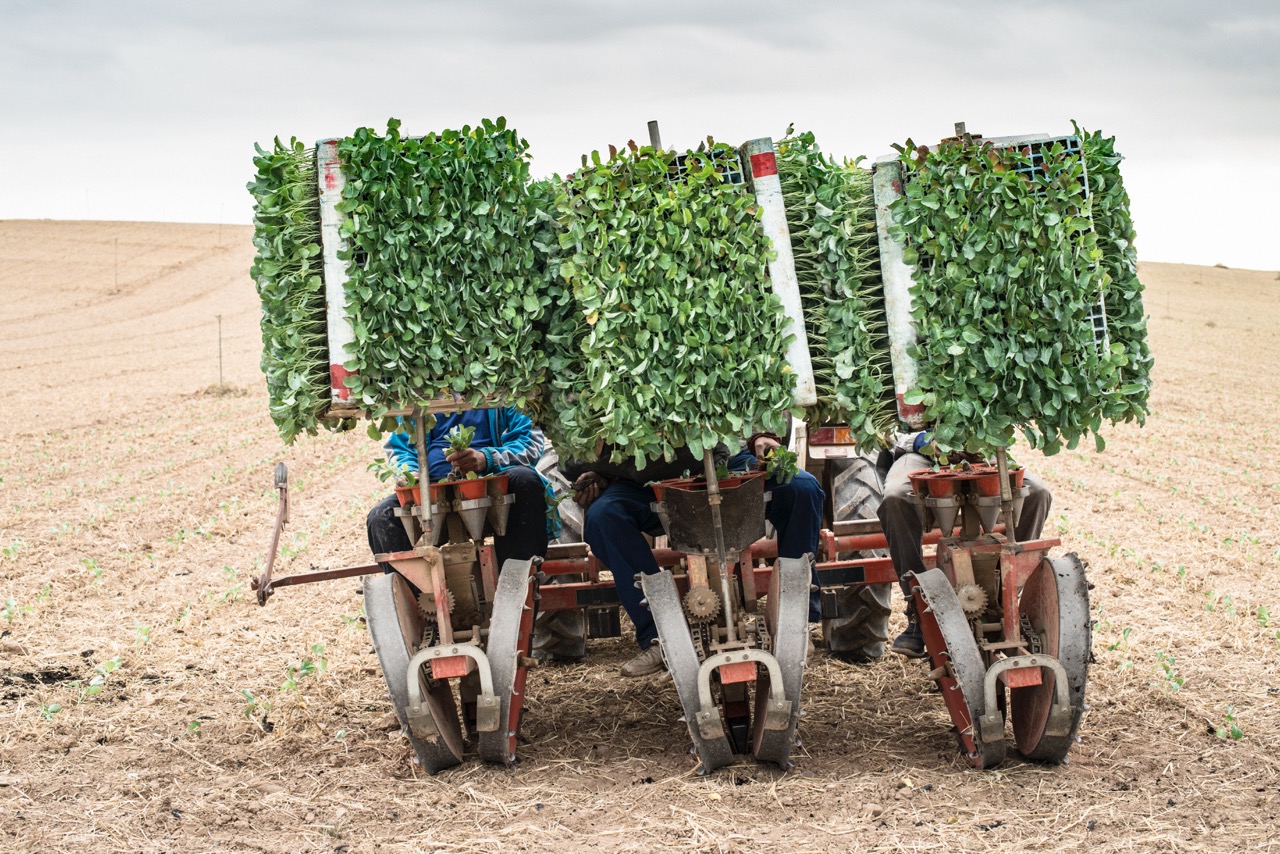
Finally, as technology continues to advance, it fosters a culture of innovation within the agricultural sector. Startups and established companies alike are investing in research and development to create new tools and technologies. From precision agriculture to automated farming equipment, the agricultural tech revolution is paving the way for a future where farmers can produce more with less. This transformation not only benefits the farmers financially but also contributes to the broader goals of food security and environmental sustainability.
Real-Time Data: Transforming Crop Monitoring Practices
Real-time data has become a cornerstone of modern agriculture, enabling farmers to monitor their crops with unprecedented accuracy. Technologies such as IoT (Internet of Things) devices have made it possible to gather data continuously from the field. Soil sensors, for instance, can provide immediate feedback on moisture levels, nutrient content, and temperature, allowing farmers to make informed decisions about irrigation and fertilization. This type of instantaneous information helps in fine-tuning agricultural practices to meet the specific needs of crops.
The use of cloud-based platforms further enhances the value of real-time data. Farmers can upload data from various sources, analyze it using sophisticated algorithms, and access insights through user-friendly interfaces. This integration of data not only aids in immediate decision-making but also contributes to long-term planning. By accumulating historical data, farmers can identify trends over seasons and years, helping them understand the effects of different variables on crop performance.
Moreover, the implications of real-time data extend beyond individual farms. Aggregated data from multiple farms can be analyzed to provide insights at a regional or global scale, leading to better resource management at the community and national levels. For instance, this data can inform policies related to water usage during droughts or guide investments in agricultural infrastructure. Thus, the transformation brought by real-time data is not just a localized phenomenon; it has the potential to reshape the agricultural landscape on a much larger scale.
Drones and Sensors: Innovations in Agricultural Surveillance
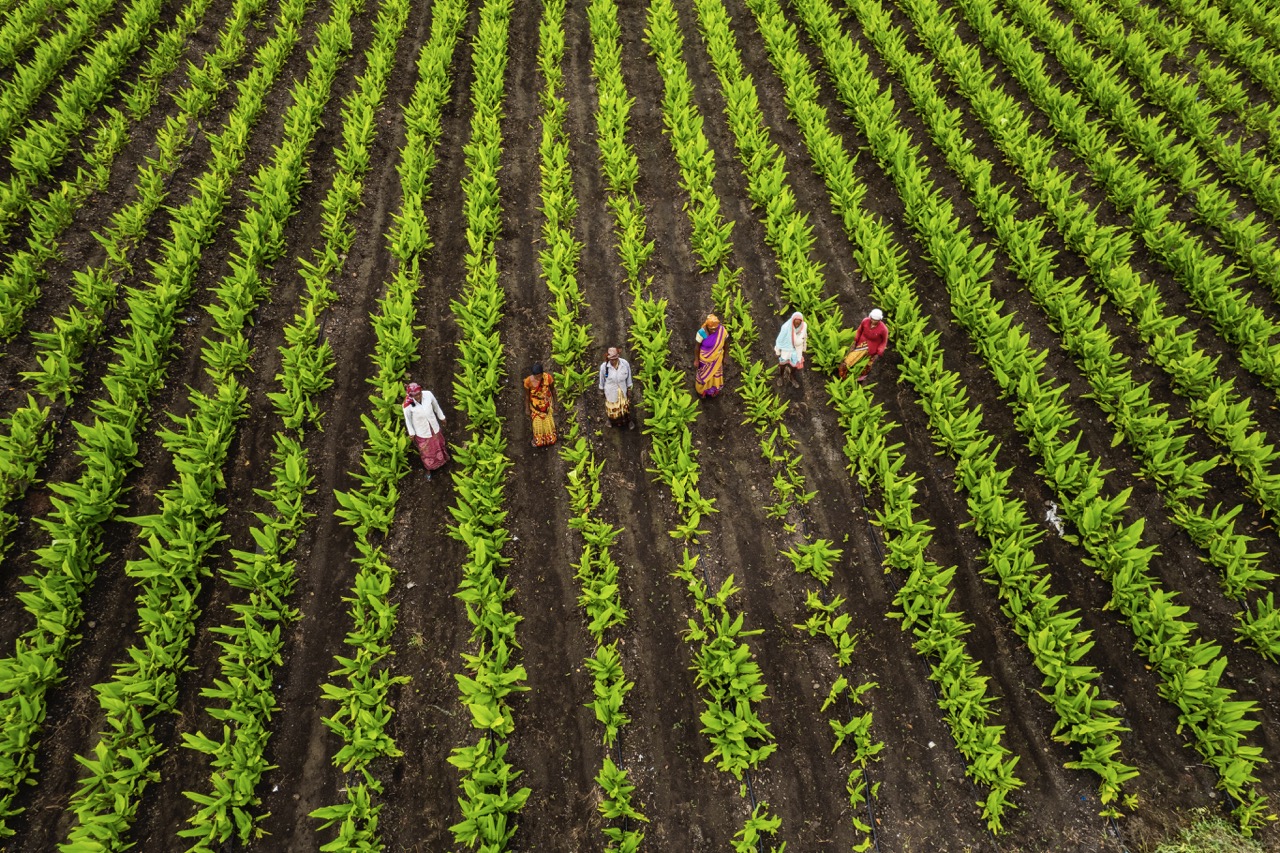
Drones have emerged as a powerful tool for crop monitoring, providing aerial surveillance that allows farmers to assess the health of their crops more effectively. Equipped with advanced imaging technology, drones can capture high-resolution images and multispectral data, revealing information that is invisible to the naked eye. This aerial perspective enables farmers to identify issues such as pest infestations, nutrient deficiencies, and water stress early, allowing for timely interventions that can save crops and resources.
In addition to drones, ground-based sensors are also playing a crucial role in agricultural surveillance. These sensors can be strategically positioned throughout fields to monitor a range of parameters, including soil moisture, temperature, and humidity. The data collected by these sensors can be transmitted in real-time to central dashboards, where farmers can easily visualize and analyze the information. This continuous monitoring helps in maintaining optimal growing conditions and can lead to significant improvements in crop yields.
The combination of drones and sensors creates a comprehensive monitoring system that enhances precision agriculture practices. By integrating both aerial and ground-based data, farmers can make more informed decisions about resource allocation and management strategies. This not only leads to better crop health but also contributes to sustainability efforts by minimizing waste and reducing the overuse of fertilizers and pesticides. As technology continues to evolve, the capabilities of drones and sensors will only expand, offering even greater potential for agricultural innovation.
The Future of Farming: Integrating AI for Better Yields
Artificial intelligence (AI) is poised to play a transformative role in the future of farming, particularly in the realm of crop monitoring and decision-making. By leveraging machine learning algorithms, farmers can analyze vast amounts of data derived from various sources—including satellite images, weather forecasts, and soil sensors—to predict crop performance more accurately. This predictive capability enables farmers to make proactive adjustments to their practices, resulting in improved yields and reduced waste.
Furthermore, AI can facilitate the development of sophisticated models that simulate agricultural scenarios, providing insights into the most effective strategies for planting, irrigation, and pest control. For example, AI-driven recommendations can help farmers determine the optimal time to plant specific crops based on weather patterns and soil conditions. This level of precision not only enhances productivity but also supports sustainability efforts by maximizing land use and minimizing environmental impacts.
As AI technologies continue to advance, their integration into agricultural practices will likely become more seamless and user-friendly. This democratization of technology means that even small-scale farmers can access cutting-edge tools that were once only available to large agribusinesses. As a result, the future of farming looks promising, with technology empowering farmers to tackle challenges head-on while fostering a more sustainable and efficient agricultural system.
The integration of technology into agriculture, particularly through real-time monitoring, drones, sensors, and AI, is fundamentally reshaping the industry. Farmers now have access to an array of tools that enable them to make informed decisions, optimize resource use, and enhance crop yields. As these technologies continue to evolve, they promise to contribute significantly to food security and sustainable farming practices. The future of agriculture is not just about increasing production; it is about doing so in a way that respects the environment and ensures the well-being of communities worldwide. The ongoing technological revolution in farming represents a pivotal moment in the quest for a sustainable agricultural future.