



Agricultural waste management is a crucial aspect of sustainable farming practices that can significantly impact both the environment and the economy. With the growing concerns surrounding food security, climate change, and land degradation, managing agricultural waste efficiently is more important than ever. This article delves into various strategies and technological innovations that can enhance waste management practices, leading to improved efficiency and sustainability in agriculture.
Understanding the Importance of Agricultural Waste Management
Agricultural waste encompasses a variety of by-products, including crop residues, livestock manure, and agrochemical containers. Effective management of these wastes is essential to reduce environmental pollution, conserve resources, and enhance soil fertility. When agricultural waste is left unmanaged, it can lead to soil degradation, water contamination, and greenhouse gas emissions, all of which contribute to broader ecological challenges.
Moreover, proper waste management can provide farmers with opportunities for resource recovery, turning waste into valuable inputs for their farming operations. For instance, composting organic waste can create nutrient-rich fertilizers, while biogas production from manure can serve as a renewable energy source. Thus, understanding the significance of managing agricultural waste not only addresses environmental concerns but also contributes to a more circular agricultural economy.
Finally, agricultural waste management is becoming increasingly vital in the context of regulatory frameworks and market demands. Governments worldwide are putting forth policies aimed at reducing waste and promoting sustainable practices, encouraging farmers to adopt efficient waste management strategies. Adhering to these regulations can not only help in avoiding penalties but also enhance a farmer’s reputation and marketability, making effective waste management an essential practice for modern agriculture.
Innovative Techniques for Effective Waste Reduction Strategies
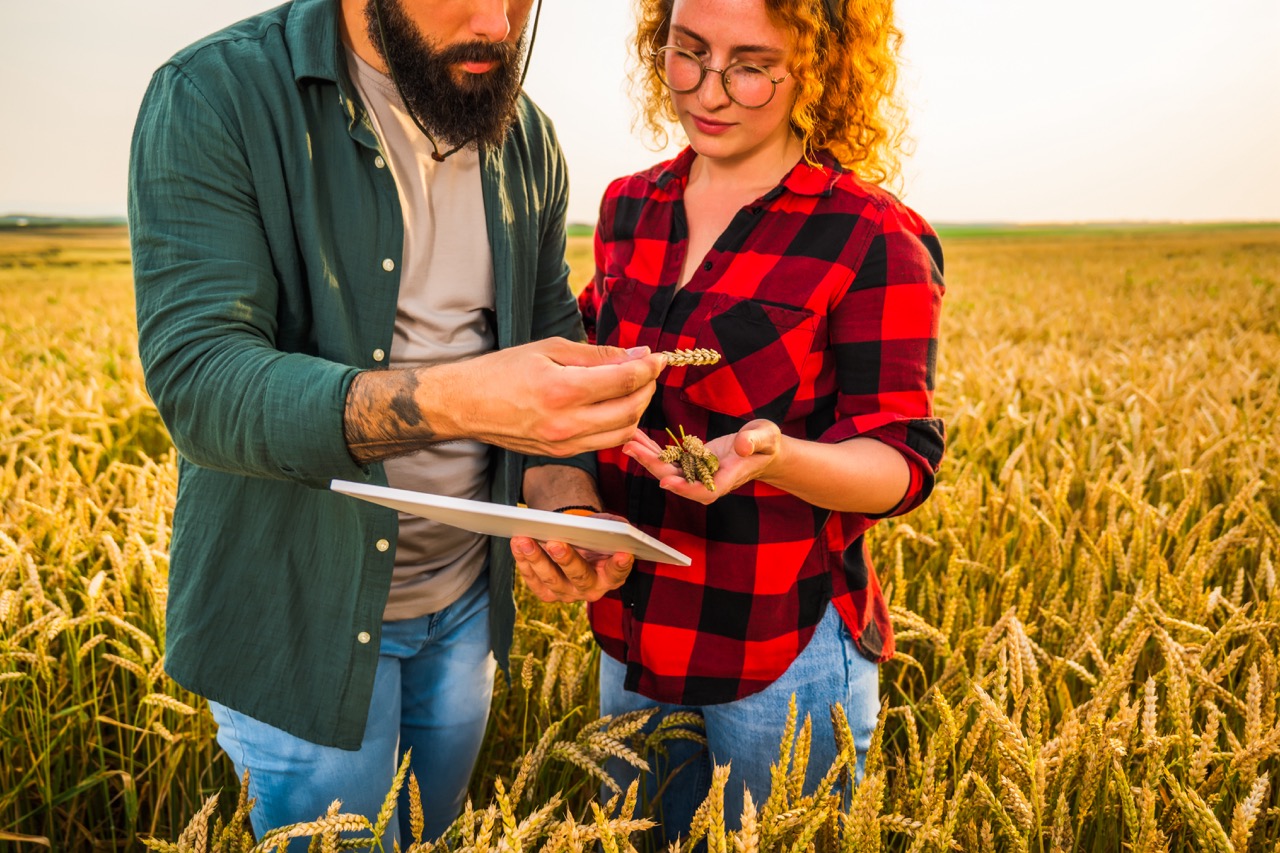
Several innovative techniques have emerged in recent years that can significantly enhance agricultural waste reduction. One such method is precision agriculture, which utilizes data analytics and technology to optimize farming practices, ultimately minimizing waste generation. By deploying sensors and drones, farmers can monitor crop health and soil conditions more accurately, allowing for targeted interventions that reduce excess inputs and waste.
Another effective strategy is the adoption of integrated pest management (IPM) practices. IPM emphasizes the use of biological pest control methods, such as introducing natural predators, along with environmentally-friendly pesticides and crop rotation. This holistic approach not only reduces chemical waste but also promotes biodiversity and strengthens the ecosystem, making agricultural systems more resilient to pests and diseases.
Finally, intercropping and polyculture systems can also contribute to waste reduction by promoting biodiversity and enhancing resource use efficiency. By planting multiple crops together, farmers can create a more balanced ecosystem that reduces the need for chemical inputs and minimizes waste. These innovative techniques reflect a growing recognition of the need for sustainable practices in agriculture, turning waste reduction into a strategic advantage.
Implementing Technology for Sustainable Waste Solutions
Technology plays a pivotal role in transforming agricultural waste management from a challenge into an opportunity. One of the most promising advancements is the use of anaerobic digestion, which converts organic waste into biogas. This renewable energy source not only offers a sustainable solution for waste disposal but also provides farmers with a means to reduce their reliance on fossil fuels and lower energy costs.
Furthermore, digital platforms for waste tracking and management have gained traction in recent years. These platforms allow farmers to monitor waste generation and recovery in real time, facilitating better decision-making regarding resource allocation and waste utilization. By leveraging data analytics, farmers can identify areas for improvement and optimize their operations, leading to enhanced efficiency and reduced waste overall.
Lastly, the development of smart composting systems equipped with sensors and IoT technology can streamline organic waste processing. These systems can monitor temperature, moisture, and microbial activity, ensuring optimal conditions for composting. By automating the composting process, farmers can significantly reduce labor costs while producing high-quality compost that can be utilized back into their farming systems, creating a closed-loop cycle of resource use.
Evaluating Economic Benefits of Efficient Waste Practices
The economic implications of effective agricultural waste management are substantial. By reducing waste, farmers can lower disposal costs and possibly even generate additional revenue streams. For instance, composting organic waste can produce a marketable product that can be sold to other farmers or garden centers, turning a liability into an asset and improving the bottom line.
Moreover, efficient waste management practices can lead to cost savings associated with resource inputs. By implementing techniques such as precision agriculture and integrated pest management, farmers can optimize their use of fertilizers, pesticides, and water, resulting in lower operational costs and enhanced productivity. The long-term financial sustainability of a farm is often linked to resource efficiency, making effective waste management a critical component of economic success.
In addition, engaging in sustainable waste management can improve a farm’s access to markets that prioritize environmentally-conscious practices. Consumers are increasingly willing to pay a premium for sustainably-produced goods, and farmers who adopt efficient waste practices can leverage this trend to enhance their market position. Ultimately, the economic benefits of managing agricultural waste efficiently extend beyond immediate cost savings, fostering a more resilient and profitable agricultural sector.
In conclusion, managing agricultural waste efficiently is essential for achieving sustainable farming practices that benefit both the environment and the economy. By understanding the importance of waste management, adopting innovative techniques, implementing technology, and evaluating economic benefits, farmers can navigate the complexities of agricultural waste with confidence. As the agricultural landscape continues to evolve, embracing effective waste management strategies will not only ensure compliance with regulatory measures but also pave the way for a more resilient and sustainable agricultural future.