


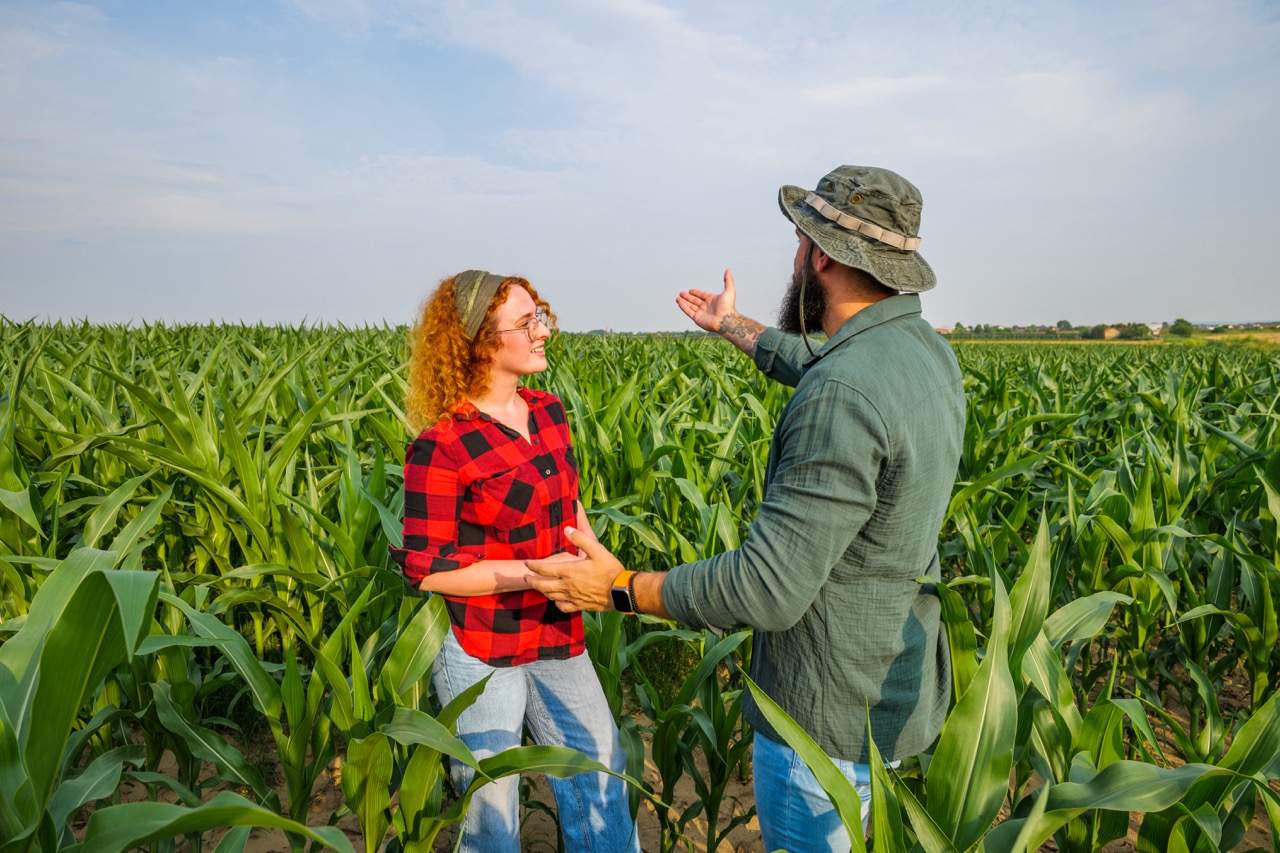
As the world grapples with the urgent need to address climate change, agriculture emerges as a critical sector that both contributes to and can help mitigate environmental degradation. Sharecropping, an age-old farming practice where landowners lease land to farmers in exchange for a share of the crop, has the potential to foster sustainable agricultural practices. In this article, we explore how sharecropping can combat climate change through improved soil health, economic resilience, and supportive policies.
Understanding Sharecropping: A Sustainable Farming Model
Sharecropping is often viewed through the lens of its historical implications, particularly in relation to labor and land ownership. However, today it can be framed as a sustainable farming model that promotes collaboration, resource-sharing, and ecological stewardship. By linking landowners with farmers who possess the skills and motivation but lack the resources, sharecropping can facilitate diverse crop rotations and agroecological practices that enhance biodiversity.
This model allows for the cultivation of a wider array of crops, which can lead to more resilient farming systems. When farmers are incentivized to grow multiple types of crops, this not only reduces the reliance on single cash crops—often associated with monoculture practices—but it also fosters a more balanced ecosystem. By adopting methods such as intercropping and cover cropping, sharecroppers can improve their fields’ biodiversity and resilience against pests and diseases.
Additionally, sharecropping can provide educational opportunities for farmers to learn sustainable practices from each other, fostering a community of innovation. In an era where climate change demands adaptive strategies, this collective knowledge-sharing can lead to the development of farming techniques that are better suited for changing weather patterns and soil health challenges.
The Role of Sharecropping in Enhancing Soil Health
Soil health is a cornerstone of sustainable agriculture and is critical in the fight against climate change. Sharecropping can enhance soil health by promoting practices that increase organic matter and biodiversity. Farmers engaged in sharecropping often employ methods like agroforestry and cover crops, which can prevent soil erosion, improve water retention, and enhance nutrient cycling.
By sharing resources and knowledge, sharecroppers can collectively implement soil conservation practices that would be more challenging for individual farmers. For example, through cooperative efforts, a group of sharecroppers might invest in composting facilities, leading to improved soil fertility and reduced reliance on chemical fertilizers, which contribute to greenhouse gas emissions. These practices not only improve the resilience of the land but also capture carbon in the soil, playing a vital role in mitigating climate change.
Moreover, the emphasis on sustainable soil management within sharecropping can support regenerative farming practices. By focusing on techniques that regenerate the soil rather than deplete it, sharecropping fosters a more sustainable agricultural system that can withstand the pressures of climate change while maintaining productivity.
Economic Benefits of Sharecropping for Climate Resilience
Economic resilience is critical in the face of climate change, and sharecropping offers various financial benefits that can bolster farmers’ ability to adapt. By sharing the risks associated with fluctuating market prices and climate impacts, landowners and sharecroppers can create a more stable economic environment. This collaboration enables both parties to invest in sustainable practices that might otherwise be unaffordable for individual farmers.
Additionally, sharecropping can lead to increased access to capital for farmers, allowing them to invest in climate-smart technologies and practices. For example, sharecroppers might pool resources to purchase efficient irrigation systems or equipment that minimizes their carbon footprint. Such investments not only improve productivity but also enhance the long-term viability of farming operations in the face of climate uncertainties.
Furthermore, as consumers become more conscious of environmental impacts, there is growing demand for sustainably produced goods. By adopting climate-friendly practices through sharecropping, farmers can tap into market opportunities that reward sustainable agriculture. This economic motivation can drive further innovation and investment in eco-friendly practices, creating a feedback loop that benefits both the environment and the farmers’ livelihoods.
Policy Recommendations to Support Sharecropping Practices
To maximize the potential of sharecropping in combating climate change, effective policies must be established. First and foremost, governments should create frameworks that recognize and legitimize sharecropping agreements, thereby providing legal protections for both landowners and farmers. This could include simplifying contract processes and ensuring fair compensation for crop shares, which would encourage more farmers to engage in sharecropping arrangements.
Additionally, financial incentives such as grants or low-interest loans for sustainable practices should be made available specifically for sharecroppers. These could help farmers transition to environmentally friendly techniques that improve soil health and resilience. Programs that support cooperative purchasing or resource-sharing could also facilitate access to sustainable technologies and practices that may be out of reach for individual farmers.
Lastly, educational programs focused on sustainable agricultural practices should be bolstered to reach sharecroppers and landowners alike. Workshops, training sessions, and online resources can help disseminate knowledge related to climate-smart agriculture, ensuring that all parties in the sharecropping arrangement are equipped to implement practices that combat climate change effectively.
Sharecropping holds promise as a sustainable farming model that can play a significant role in the fight against climate change. By enhancing soil health, promoting economic resilience, and leveraging supportive policies, sharecropping can transform the agricultural landscape into one that is not only productive but also environmentally responsible. As the agricultural sector seeks solutions to the climate crisis, embracing and revitalizing sharecropping practices offers a pathway to a more sustainable and resilient future.