


In an era dominated by industrial agriculture and technological advancements, traditional farming practices often face the risk of being overshadowed and forgotten. Sharecropping, a system wherein landowners lease their land to farmers in exchange for a share of the crop produced, has emerged as a potential pathway for preserving these age-old practices. By fostering a symbiotic relationship between land and labor, sharecropping can help maintain the cultural and agricultural heritage that has sustained communities for generations. This article explores how sharecropping can revitalize traditional farming methods, ensure economic sustainability, and strengthen community ties.
Rediscovering Roots: The Role of Sharecropping Today
Sharecropping allows for a unique opportunity to reconnect with agricultural heritage. By enabling individuals, often from marginalized communities, to farm land without the heavy financial burdens associated with land ownership, sharecropping creates a platform for traditional practices to flourish. This system reintroduces the principles of stewardship and sustainability, encouraging farmers to engage with the land in a way that respects its natural cycles.
Modern sharecropping arrangements can be tailored to incorporate indigenous and historical farming techniques, which may have been lost in contemporary agriculture. For instance, by combining traditional methods such as crop rotation, companion planting, and organic fertilization with modern agricultural insights, sharecropping can serve as a bridge between the past and present. This re-engagement with heritage not only benefits the land but also instills a sense of pride and identity among farmers who participate in these practices.
Furthermore, the rise of consumer interest in locally sourced and organic produce has provided sharecroppers with an avenue to showcase traditional methods. By cultivating heirloom varieties and utilizing sustainable practices, sharecroppers can attract a market that values quality and authenticity, thus reinforcing the importance of their agricultural heritage in modern society.
Bridging Generations: Sharecropping and Traditional Methods
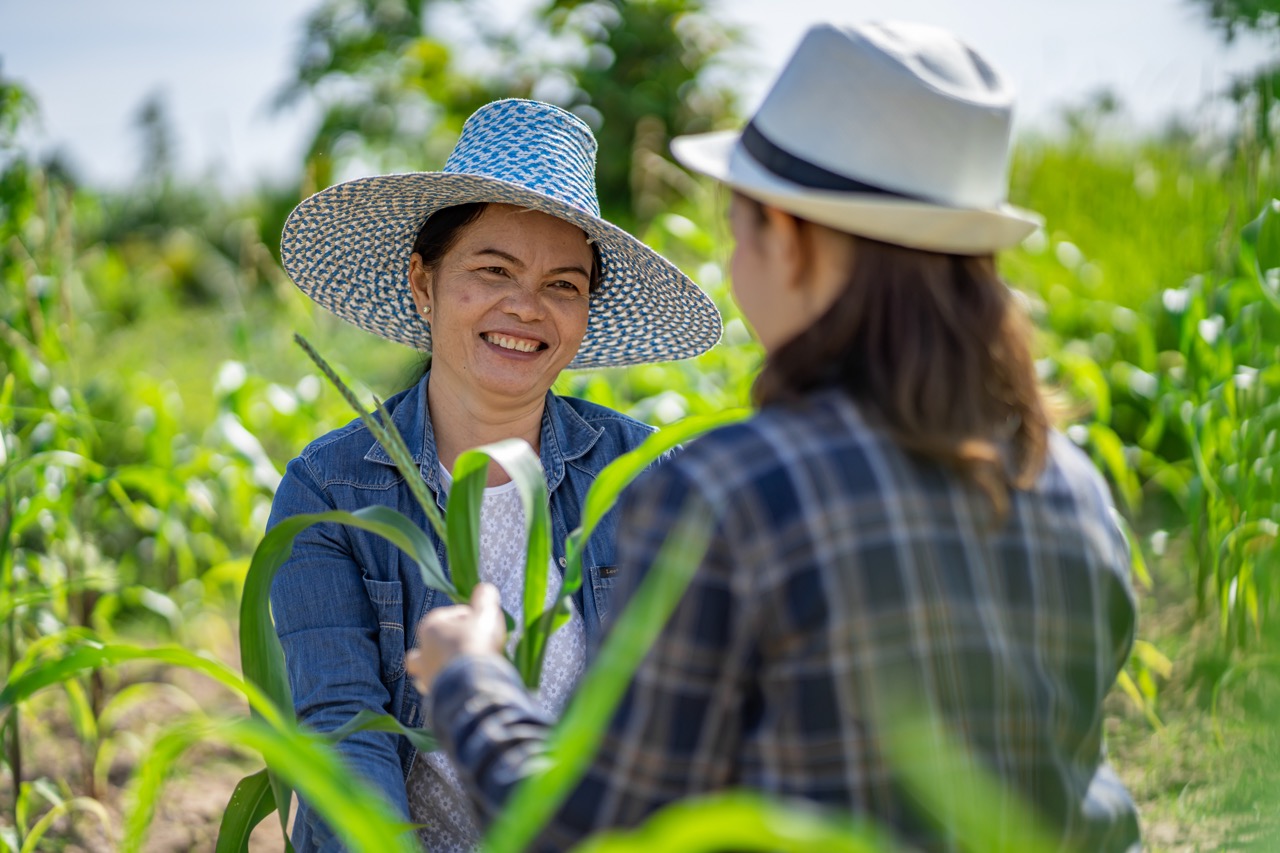
One of the most significant advantages of sharecropping is its potential to facilitate intergenerational knowledge transfer. As younger farmers engage in sharecropping arrangements, they gain hands-on experience in traditional farming techniques from older generations. This mentorship fosters a deeper appreciation for the intricacies of farming that have been passed down through time, ensuring that valuable skills are not lost to modernization.
Moreover, the collaborative nature of sharecropping promotes community dialogue about agricultural practices. Farmers can share insights, challenges, and successes, creating a network of support that values traditional methods. In this way, sharecropping acts as a living archive of farming knowledge, where practices once deemed obsolete can be revived and adapted to meet contemporary needs.
The preservation of traditional farming practices also has implications for the cultural identity of communities. By actively engaging with their agricultural roots through sharecropping, farmers can reinforce their cultural narratives and maintain a connection to their ancestors. This sense of belonging cultivates a richer community fabric, as shared farming practices become a source of pride and collective memory.
Economic Viability: Sharecropping’s Sustainable Future
Economic sustainability is a crucial consideration in the viability of agricultural practices. Sharecropping can provide a financially stable model for farmers, particularly those who may lack access to capital for land acquisition or equipment. By reducing the financial barriers to entry, sharecropping allows individuals to participate in agriculture without the overwhelming burden of debt, making traditional farming more accessible.
Moreover, sharecropping can promote biodiversity and sustainable practices, which are increasingly sought after in today’s market. As consumers become more environmentally conscious, there is a growing demand for produce grown using ethical and sustainable methods. Sharecroppers who embrace traditional practices often find a receptive market that values their commitment to environmentally friendly farming, leading to greater economic returns.
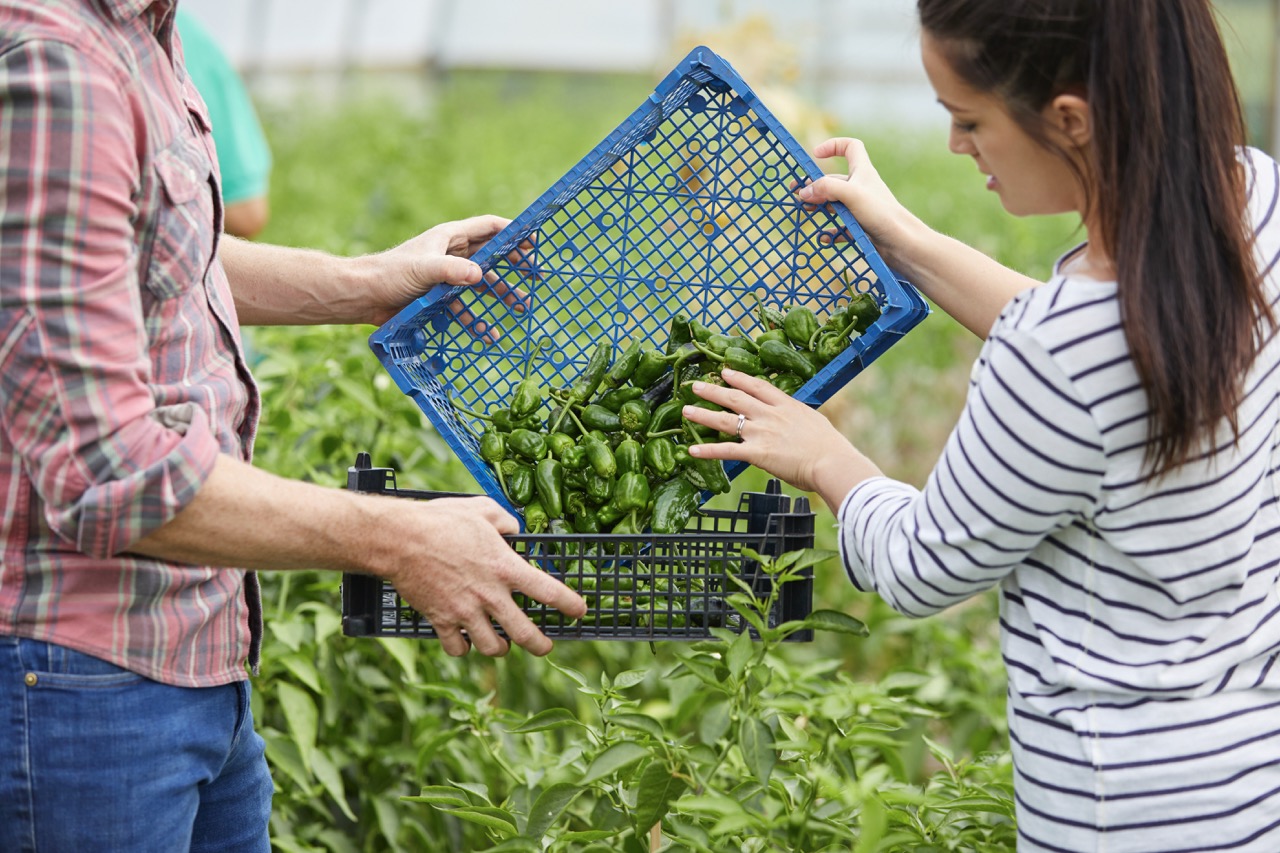
Additionally, the cooperative nature of sharecropping can lead to collective purchasing power for resources and equipment, further enhancing economic viability. Farmers can band together to negotiate better prices on seeds, tools, and other necessities, ultimately lowering production costs while fostering a sense of community. This collaborative approach to farming not only enhances profitability but also embodies the very principles of sustainability that traditional practices espouse.
Community Resilience: Preserving Farming Heritage Together
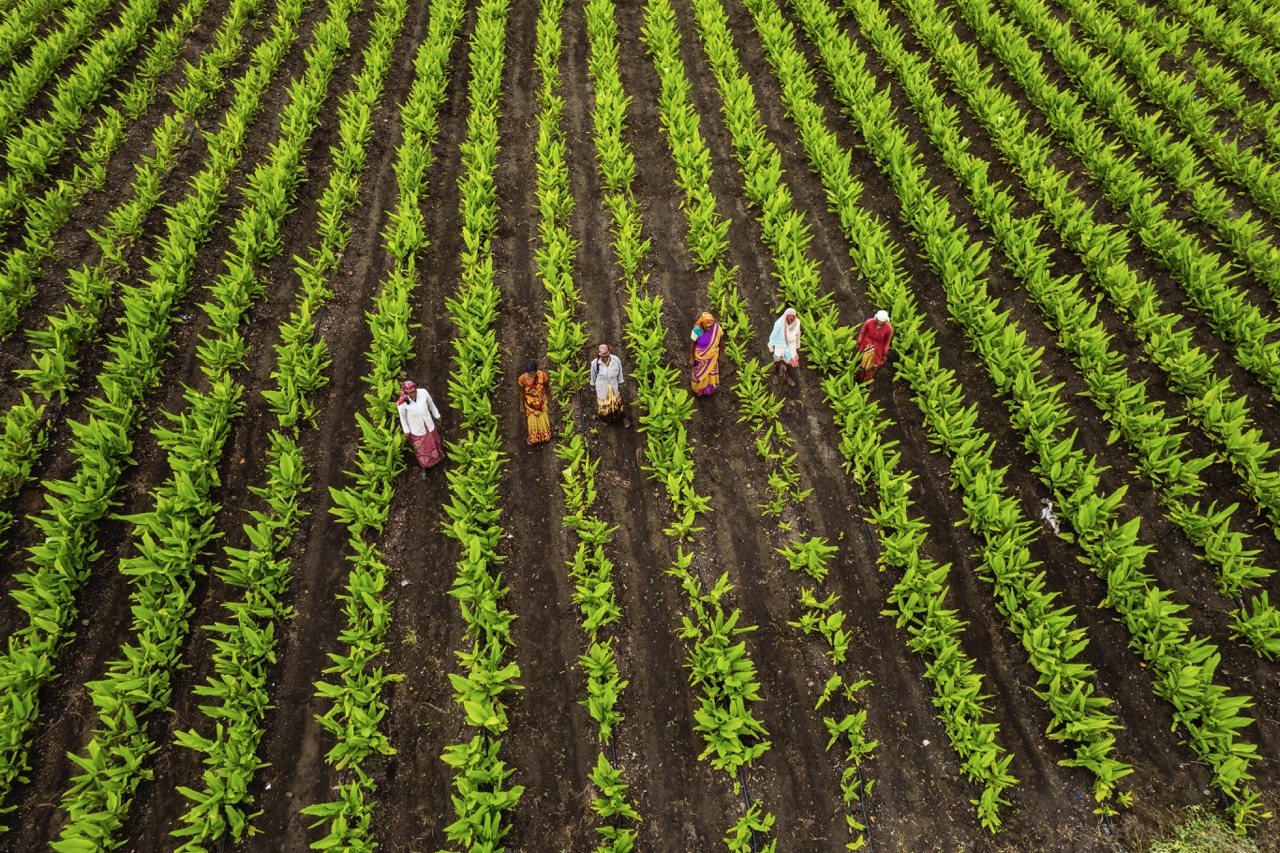
The role of sharecropping in fostering community resilience cannot be understated. As farmers work together to cultivate land, they are effectively building a support system that can adapt to challenges, whether they are economic, environmental, or social. This interdependence strengthens community bonds and encourages shared responsibility for the stewardship of land and resources.
Furthermore, the collective nature of sharecropping encourages local engagement and activism. By prioritizing traditional farming practices, communities can advocate for policies that protect local agriculture and preserve their cultural heritage against the encroachment of industrial farming. This activism can take the form of community-supported agriculture (CSA) programs, local farmer’s markets, and educational initiatives that promote the value of traditional practices.
Preserving farming heritage through sharecropping also contributes to food sovereignty, empowering communities to reclaim control over their food systems. By focusing on traditional methods that prioritize local resources and knowledge, sharecroppers can foster a sense of autonomy and resilience. Such efforts are vital in an age where global food systems are often disconnected from local needs, ensuring that communities not only survive but thrive.
In conclusion, sharecropping presents an innovative avenue for preserving traditional farming practices in a rapidly changing agricultural landscape. By fostering connections between generations, promoting economic sustainability, and strengthening community ties, sharecropping can serve as a catalyst for revitalizing cultural heritage. As communities embrace this model, they not only honor their past but also cultivate a more resilient and sustainable agricultural future. The potential of sharecropping to bridge the gap between tradition and modernity holds promise for both farmers and consumers alike, paving the way for a more equitable and environmentally conscious food system.