



Sharecropping, a land tenure system with deep historical roots, is often associated with the agricultural struggles of the past. However, it has evolved into a valuable tool for fostering agricultural education. By creating hands-on learning experiences in real-world farming environments, sharecropping can bridge the gap between theoretical knowledge and practical skills for aspiring farmers and students. This article explores the role of sharecropping in agricultural education, its benefits, strategies for implementation, and successful case studies that highlight its potential.
Understanding Sharecropping’s Role in Agricultural Education
Sharecropping allows individuals to farm land owned by others while sharing a portion of the crops produced with the landowners. This arrangement can facilitate learning by offering students and aspiring farmers access to land and resources that would otherwise be financially out of reach. The practice introduces students to the complexities of agricultural economics, resource management, and sustainable farming practices—critical components of modern agricultural education.
Moreover, sharecropping aligns well with experiential learning methodologies. By engaging in the actual farming process, students can connect classroom theories with practical applications, enhancing their understanding of soil health, crop rotation, pest management, and more. This immersive approach also fosters problem-solving skills and resilience, as students learn to navigate the challenges of farming in a real-world setting.
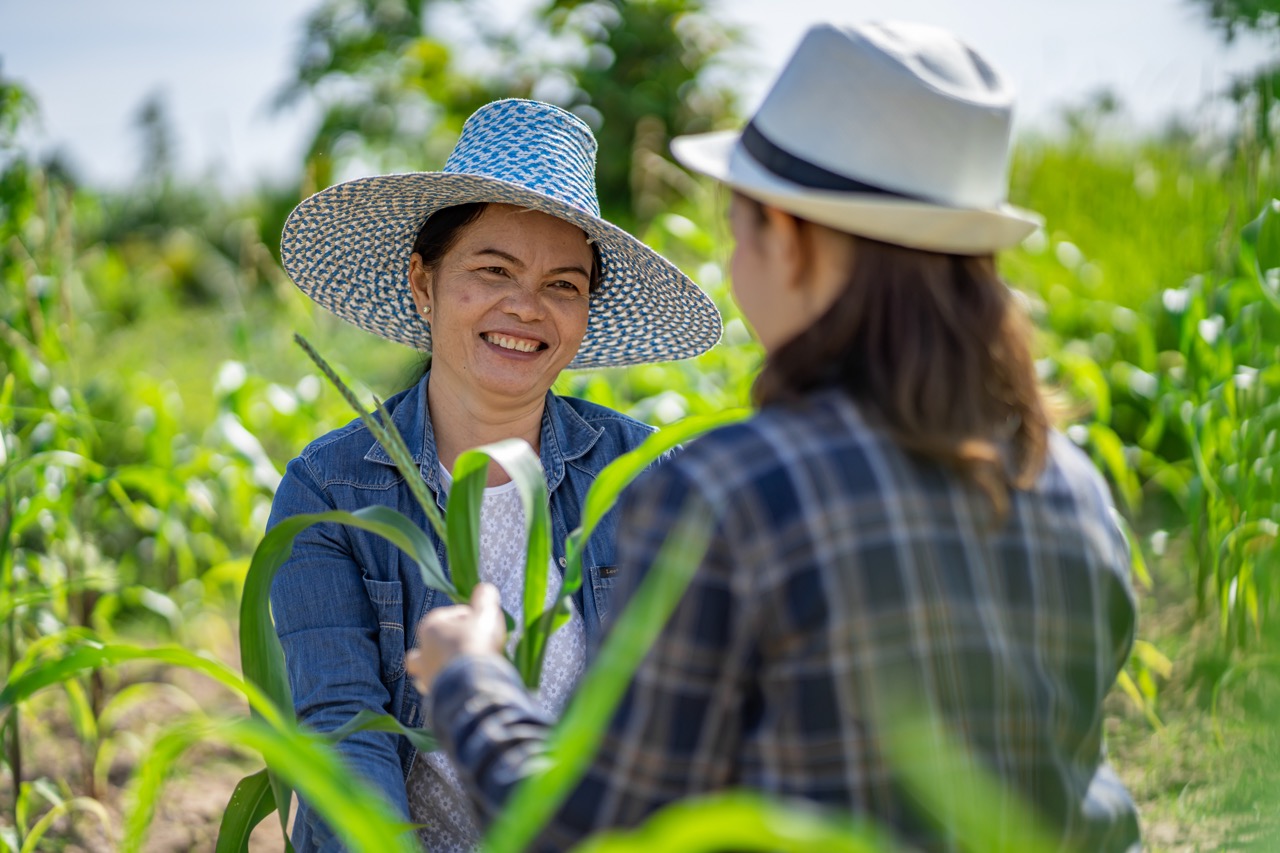
Finally, sharecropping serves as a community-building exercise. Students working alongside experienced farmers can establish mentorship relationships, enabling knowledge transfer and fostering a sense of belonging within the agricultural community. This collaborative spirit is essential for nurturing the next generation of farmers who will face the challenges of food production in an ever-changing world.
Benefits of Sharecropping for Aspiring Farmers and Students
One of the primary benefits of sharecropping for aspiring farmers is the reduced financial risk associated with starting a farming venture. With land access provided through sharecropping agreements, students can gain hands-on experience without the burden of upfront land acquisition costs. This arrangement allows them to focus on developing their agricultural skills and understanding market dynamics without the immediate pressure of profitability.
Additionally, sharecropping promotes environmental stewardship. As students engage with the land, they are more likely to adopt sustainable practices that enhance soil health and biodiversity. This education in sustainable agriculture is increasingly important, as global food production faces scrutiny regarding its environmental impact. Sharecropping provides a platform for students to experiment with organic farming methods and regenerative practices, which can be vital for future food security.
Moreover, sharecropping programs can foster entrepreneurship among students. By cultivating crops and managing production, students learn valuable skills in business planning, marketing, and sales. This practical experience not only equips them with the tools necessary to succeed in agriculture but also encourages innovation as they explore niche markets and sustainable products. The entrepreneurial mindset cultivated through sharecropping can lead to the development of new agricultural enterprises and initiatives.
Implementing Sharecropping Programs in Educational Settings
To implement effective sharecropping programs in educational settings, institutions must establish partnerships with local landowners, agricultural organizations, and experienced farmers. These collaborations can provide the necessary resources and mentorship for students participating in sharecropping initiatives. Additionally, creating formal agreements that outline expectations, responsibilities, and profit-sharing arrangements is crucial for ensuring a successful partnership.
Curriculum design is another critical component. Institutions should integrate sharecropping experiences into their agricultural education programs, providing students with the theoretical background and practical skills needed for successful farming. Classes can cover topics like crop selection, sustainable farming techniques, and business management, ensuring that students are well-prepared for their hands-on experiences. Workshops and seminars led by experienced farmers can further enhance the learning experience.
Lastly, ongoing evaluation and adaptation of the sharecropping program are essential. Educational institutions should regularly assess the outcomes of the initiative, gathering feedback from students and landowners to identify areas for improvement. By adapting the program based on real-world experiences and challenges, educational institutions can create a dynamic learning environment that continuously evolves to meet the needs of its participants.
Case Studies: Successful Sharecropping in Agriculture Training
One notable case study of successful sharecropping in agricultural education is the partnership between a community college and local farmers in the Midwest. This program allows students to cultivate organic vegetables on nearby farms, sharing a portion of the harvest with landowners while retaining the rest to sell at local farmers’ markets. The initiative has not only enhanced students’ agricultural skills but has also boosted the local economy and fostered a sense of community among participants.
Another example can be seen in a university-affiliated urban agriculture program that employs sharecropping principles. Students work with city landowners to transform vacant lots into productive gardens. Through this program, students gain practical experience in urban farming techniques while addressing food insecurity in their communities. The initiative has garnered attention for its dual focus on education and social impact, demonstrating the versatility of sharecropping as a learning tool.
Lastly, a non-profit organization focused on youth development has successfully integrated sharecropping into its agricultural training curriculum. By partnering with local farms, the organization offers young people the opportunity to manage their plots, learning about crop management, marketing, and the importance of sustainable practices. This approach has inspired numerous participants to pursue careers in agriculture, emphasizing the transformative potential of sharecropping for educational outcomes.
Incorporating sharecropping into agricultural education presents a unique opportunity to empower the next generation of farmers. By providing access to land, fostering experiential learning, and promoting sustainable practices, sharecropping can serve as a robust platform for developing agricultural skills. As educational institutions and community organizations continue to explore innovative approaches to agricultural training, sharecropping offers a promising avenue for nurturing a new wave of environmentally conscious and entrepreneurial farmers. Through collaboration, creativity, and commitment, sharecropping can revitalize agricultural education and pave the way for a sustainable future in farming.