



In recent years, the resurgence of interest in sustainable agriculture has led to innovative approaches to farming that prioritize community engagement and resource sharing. One such method is community-based sharecropping, which leverages local knowledge and resources to create a collaborative farming ecosystem. This article provides insights into how to build a community-based sharecropping network, highlighting its advantages, the steps necessary for establishment, and the challenges that may arise.
Understanding the Basics of Community-Based Sharecropping
Community-based sharecropping is a farming arrangement where landowners allow individuals or families to farm their land in exchange for a share of the crops produced. Unlike traditional sharecropping, which often exploits laborers, community-based sharecropping emphasizes fairness, equity, and mutual benefit. Participants typically engage in cooperative decision-making, ensuring that all voices are heard in the management of agricultural activities.
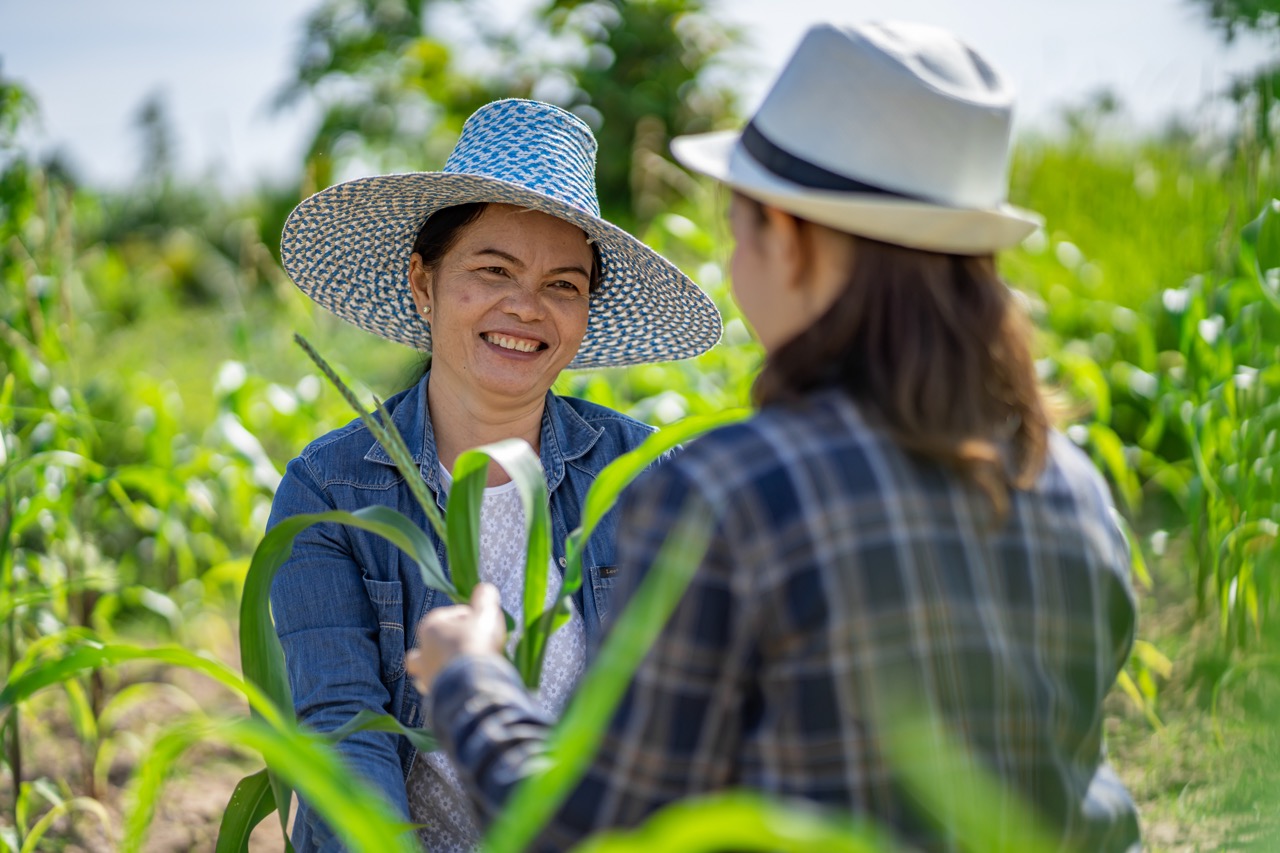
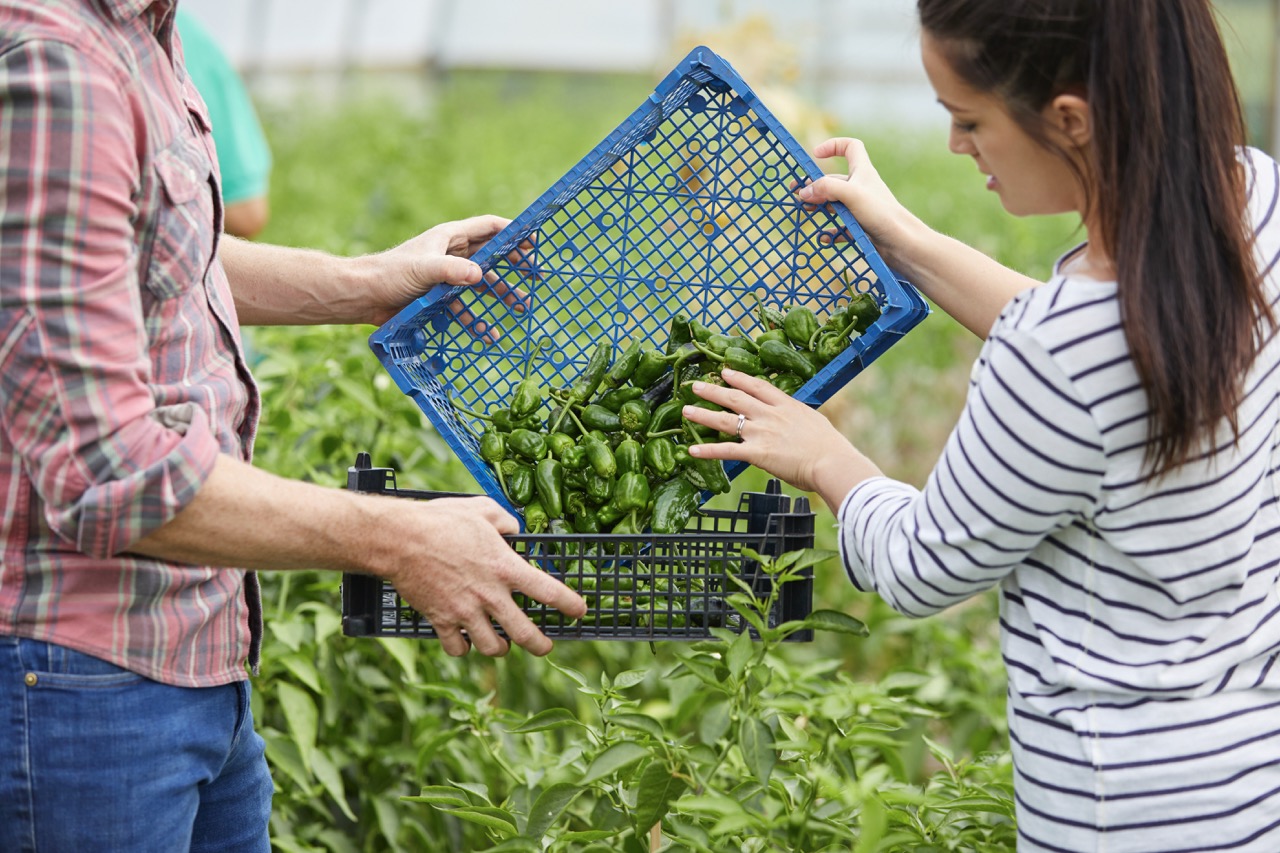
At its core, community-based sharecropping promotes a sense of belonging and accountability among participants. Farmers can collaborate on planting schedules, share resources such as tools and seeds, and even come together for collective marketing of their produce. This model not only cultivates agricultural diversity but also builds resilience against market fluctuations and climate change, as the community can adapt more readily to challenges.
Moreover, this approach emphasizes sustainable practices. Participants can share knowledge about organic farming, pest control, and resource conservation, enhancing the overall productivity of the land. As a result, community-based sharecropping networks foster a culture of learning and innovation, empowering local farmers to take charge of their agricultural futures while respecting environmental limits.
Key Benefits of Establishing a Sharecropping Network
Establishing a community-based sharecropping network offers numerous benefits that go beyond mere economic gains. One of the most significant advantages is the pooling of resources, which can lead to cost reductions in farming inputs. By sharing tools, machinery, and even labor, members of the network can reduce individual financial burdens and increase their overall productivity.
Another critical benefit is the strengthening of social ties within the community. Through cooperative farming, participants cultivate relationships built on trust and mutual support. These social networks can enhance food security, provide emotional support, and foster a sense of belonging, which is often missing in traditional agricultural settings. As members work together, they create a shared identity that can lead to further community initiatives beyond farming.
Finally, community-based sharecropping networks can contribute to local economies by keeping money circulating within the community. By prioritizing local produce and markets, these networks can reduce reliance on external suppliers and create job opportunities. Furthermore, fostering a culture of sustainable agriculture can attract eco-conscious consumers, enhancing the visibility and viability of local farms.
Steps to Create and Sustain a Successful Network
Building a successful community-based sharecropping network begins with community engagement. It is vital to convene interested parties—landowners, farmers, and local organizations—to discuss the potential benefits and viability of the initiative. These initial meetings should focus on establishing common goals, identifying resources, and fostering a sense of ownership among participants. Developing a clear understanding of each member’s strengths and contributions is also crucial for effective collaboration.
Once the groundwork is established, the next step involves drafting a formal agreement that outlines the terms of sharecropping arrangements. This document should detail responsibilities, profit-sharing models, and conflict-resolution mechanisms. Transparency is essential; by ensuring that all participants understand their roles and rights, the network can function smoothly and mitigate potential disputes. Regular meetings to assess progress and address concerns should be scheduled to maintain momentum and engagement.
Sustaining the network requires ongoing education and adaptation. Providing training workshops on sustainable farming practices, marketing strategies, and financial management can empower members to improve their skills and increase productivity. Additionally, creating feedback loops where participants can voice their insights and suggestions fosters a culture of continuous improvement. By remaining flexible and responsive to the needs of the community, the sharecropping network can thrive over time.
Overcoming Challenges in Community Sharecropping Initiatives
While community-based sharecropping networks offer many benefits, they are not without challenges. One significant hurdle is the potential for conflicts between landowners and farmers regarding expectations and responsibilities. Disagreements over profit-sharing, decision-making authority, or resource allocation can create tension within the group. Establishing clear agreements and communication channels can help mitigate these issues; however, ongoing dialogue and trust-building are essential for long-term cohesion.
Another challenge lies in the differing levels of experience and knowledge among participants. Not all members may be equally familiar with sustainable practices or cooperative farming principles, which can lead to disparities in contribution and commitment. To address this, the network should prioritize education and mentorship, pairing experienced farmers with novices to foster skill development and knowledge transfer. Building an inclusive environment where all members feel valued can help bridge these gaps.
Finally, external factors such as market fluctuations and climate change can pose threats to the sustainability of community-based sharecropping networks. Economic downturns can reduce the profitability of crops, while unpredictable weather patterns may impact yields. To prepare for such challenges, networks should focus on diversifying crops and exploring alternative revenue streams, such as value-added products or agritourism. Through proactive planning and collaboration, community-based sharecropping initiatives can enhance their resilience and adaptability.
Building a community-based sharecropping network is a powerful way to promote sustainable agriculture and strengthen local communities. By understanding its foundational principles, recognizing the benefits it brings, following strategic steps for establishment, and addressing potential challenges, communities can create a thriving agricultural ecosystem. Ultimately, these networks not only empower individual farmers but also contribute to the broader goals of food security and environmental stewardship. As communities embark on this journey, they can cultivate a more equitable and sustainable future for agriculture.