



In an era where industrial agriculture often overshadows small-scale farming, innovative models like crop sharing are emerging as vital alternatives. Crop sharing, wherein farmers and landowners collaborate to cultivate crops, offers unique opportunities for small farmers to enhance their competitiveness against larger agricultural operations. This article explores the mechanics of crop sharing and its potential to support small farmers in overcoming market challenges while fostering sustainable practices.
Understanding Crop Sharing: A New Model for Farmers
Crop sharing, also known as sharecropping or joint farming ventures, is an arrangement where farmers work land owned by another and share the harvest. This model allows small farmers access to land, resources, and expertise that they may not possess independently. Instead of bearing the entire financial burden of farming, participants can mitigate risks by pooling resources and sharing profits, adapting to market demands more flexibly.
This collaborative approach can take on various forms, from informal agreements between neighbors to structured partnerships with larger agricultural firms. The fundamental premise remains the same: by dividing responsibilities and rewards, small farmers can operate at a scale that enhances their viability. This model not only democratizes access to farming but also encourages knowledge transfer among various stakeholders, fostering a sense of community in agriculture.
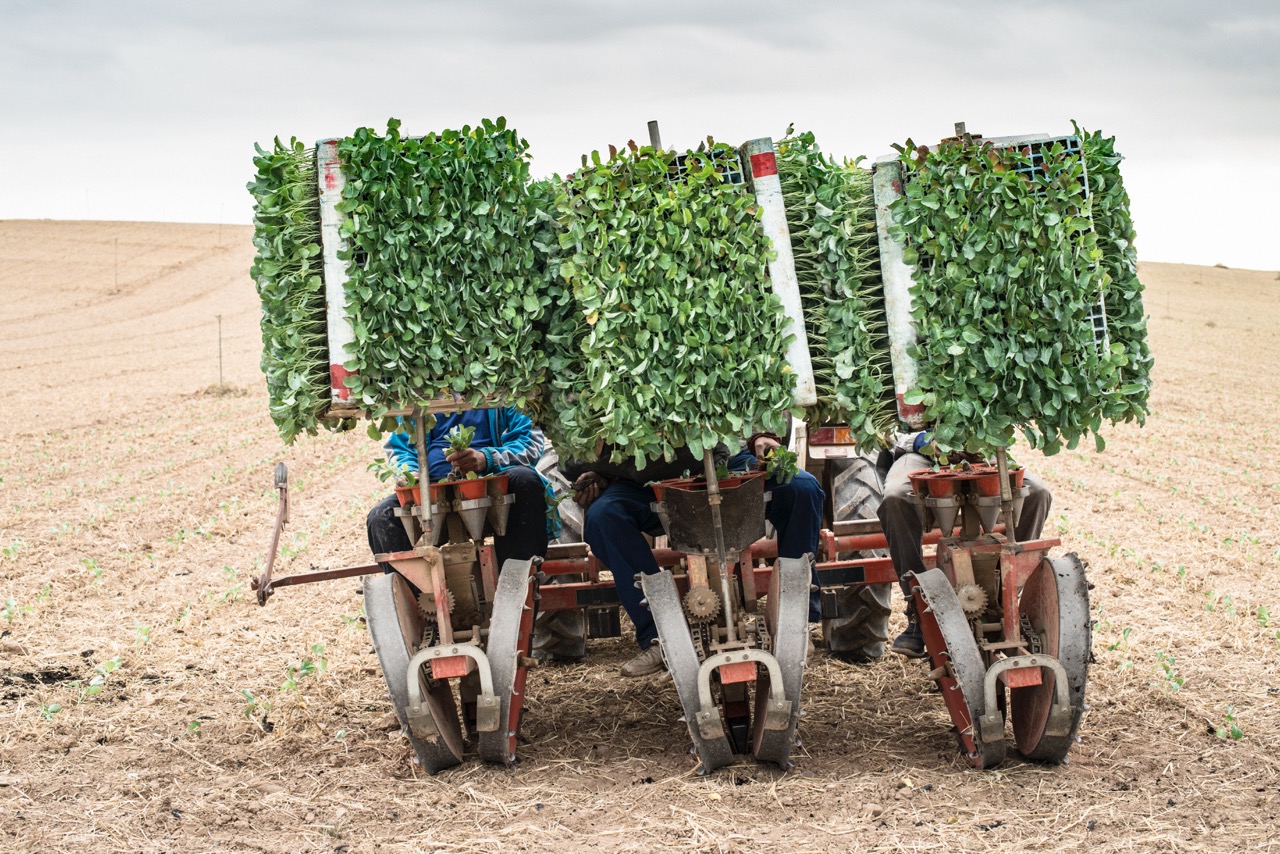
Moreover, crop sharing has the potential to democratize access to technology and innovation. Larger farms, often equipped with advanced farming technologies, can partner with smallholders to share these tools, enabling more efficient production and better yields. As a result, small farmers can adapt to the changing landscape of agriculture without the immediate need for substantial capital investment.
Benefits of Crop Sharing for Small-Scale Agriculture
One of the most significant advantages of crop sharing for small farmers is cost efficiency. By sharing expenses related to land, equipment, and labor, farmers can lower their operational costs significantly. This shared financial responsibility allows farmers to invest in other essential areas, such as organic certifications or sustainable practices, that can enhance their market appeal.
Additionally, crop sharing can lead to increased productivity. Working collaboratively often means improved resource management, such as combined irrigation systems or collective pest control strategies. When small farmers unite their efforts, they can compete more effectively by producing larger quantities of high-quality crops, thereby gaining access to more lucrative markets that were previously out of reach due to scale limitations.
Furthermore, this model can create stronger bargaining power for small farmers. When they collaborate with larger farms or coalesce into larger groups, they can negotiate better prices for their produce and secure contracts that would otherwise favor larger agricultural operations. The collaboration can provide smallholders with a platform to present themselves as a collective, raising their profile in a landscape dominated by fewer, larger players.
Overcoming Challenges: Collaborating with Larger Farms
While crop sharing presents numerous benefits, it is not without challenges. Small farmers must navigate power dynamics inherent in partnerships with larger operations. It is crucial for smallholders to maintain their autonomy and ensure that agreements are equitable and transparent. Establishing clear contracts and ongoing communication between parties can help mitigate potential conflicts and foster a collaborative spirit.
Another challenge is the varying levels of knowledge and resources that different partners bring to the table. Larger farms may have access to advanced technologies and best practices, which can create a knowledge gap. To overcome this, training programs and mentorship opportunities should be implemented to ensure that smaller farmers are not only beneficiaries but also active participants in the decision-making process.
Moreover, small farmers should strive to remain adaptable and open to change. The agricultural landscape is constantly evolving due to market demands, climate change, and technological advancements. By being willing to learn and adapt to new practices, small farmers can better position themselves within these partnerships and leverage the opportunities crop sharing presents.
Future Prospects: Sustainable Growth Through Cooperation
Looking ahead, the crop sharing model offers significant prospects for sustainable growth in agriculture. As consumers increasingly favor sustainably produced goods, small farmers who engage in cooperative practices can capitalize on the growing market for organic and locally sourced products. By pooling resources and sharing knowledge, smallholders can enhance their sustainability practices while improving their economic standings.
Furthermore, policymakers can support the growth of this model by promoting land access initiatives and providing resources for cooperative farming arrangements. Strengthening rural infrastructure, such as storage and processing facilities, can also assist small farmers in amplifying their production capabilities and achieving product differentiation in crowded markets.
Ultimately, the future of agriculture may rely on cooperative frameworks like crop sharing. By fostering collaboration among farmers, landowners, and larger agricultural entities, the industry can create a more equitable and sustainable agricultural landscape. This approach not only benefits small farmers but also contributes to the overall resilience of the agricultural sector in the face of global challenges.
Crop sharing represents a promising pathway for small farmers seeking to navigate the complexities of modern agriculture. By embracing collaborative practices, smallholders can harness their collective strengths to compete with larger operations, mitigate risks, and improve their economic viability. As the agricultural landscape continues to evolve, the viability of crop sharing as a model of sustainable growth and equitable collaboration becomes increasingly clear, offering hope and renewed opportunity for small-scale farmers worldwide.