


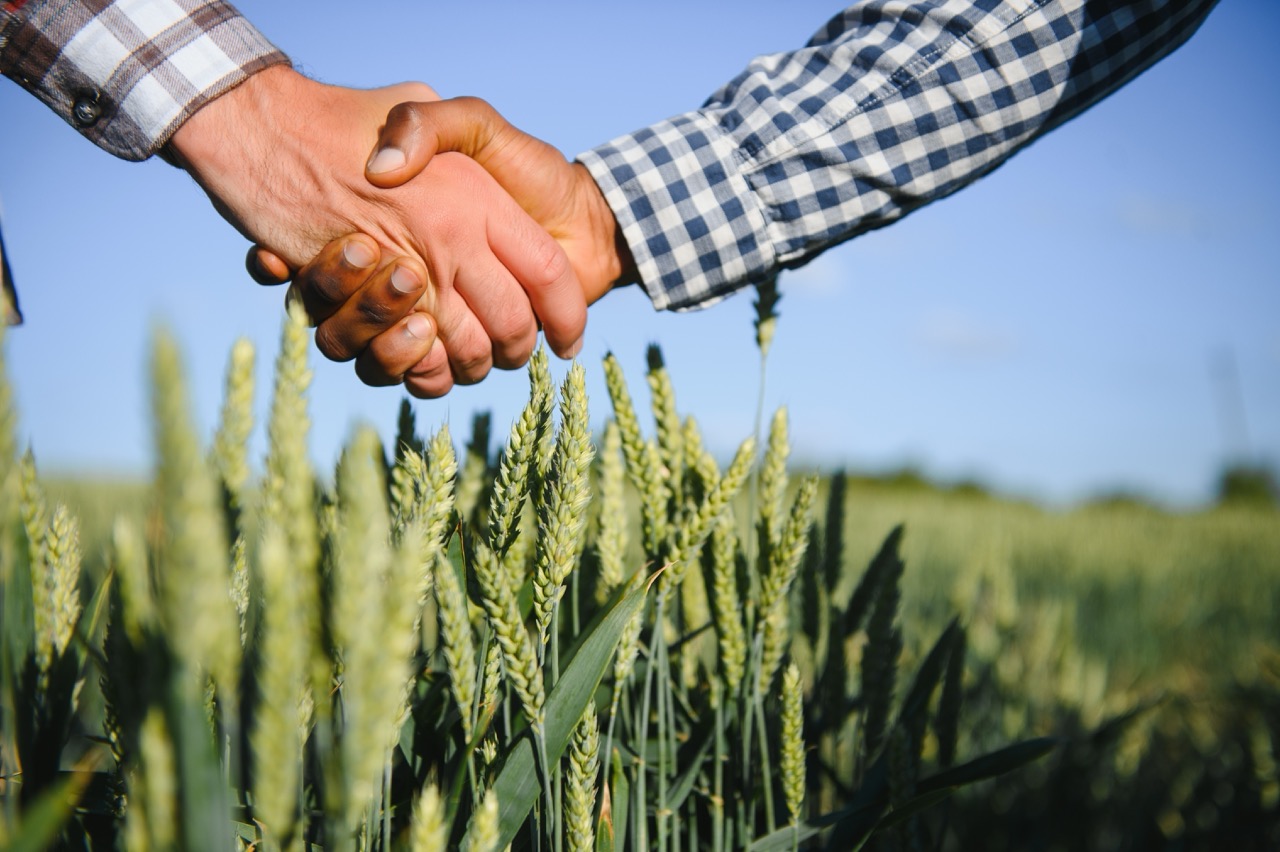
In recent years, the agricultural sector has faced increasing scrutiny for its role in environmental degradation, particularly in the loss of biodiversity. As farmers and policymakers seek sustainable alternatives to conventional farming methods, sharecropping has emerged as a promising model. This age-old practice, rooted in collaboration and mutual benefit, holds potential not only for economic viability but also for enhancing biodiversity on farms. By exploring how sharecropping can support biodiversity, we can better understand its evolving role in sustainable agriculture.
The Role of Sharecropping in Sustainable Agriculture Practices
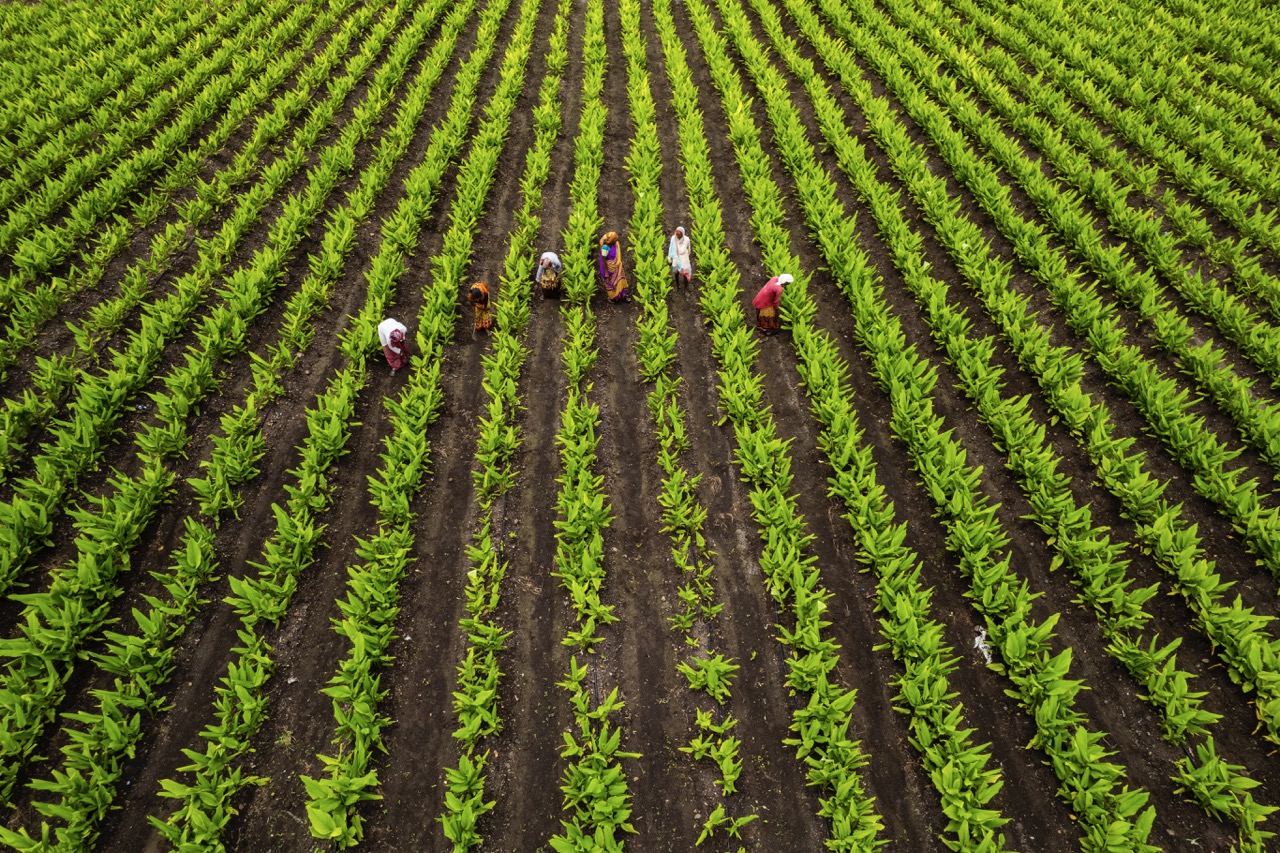
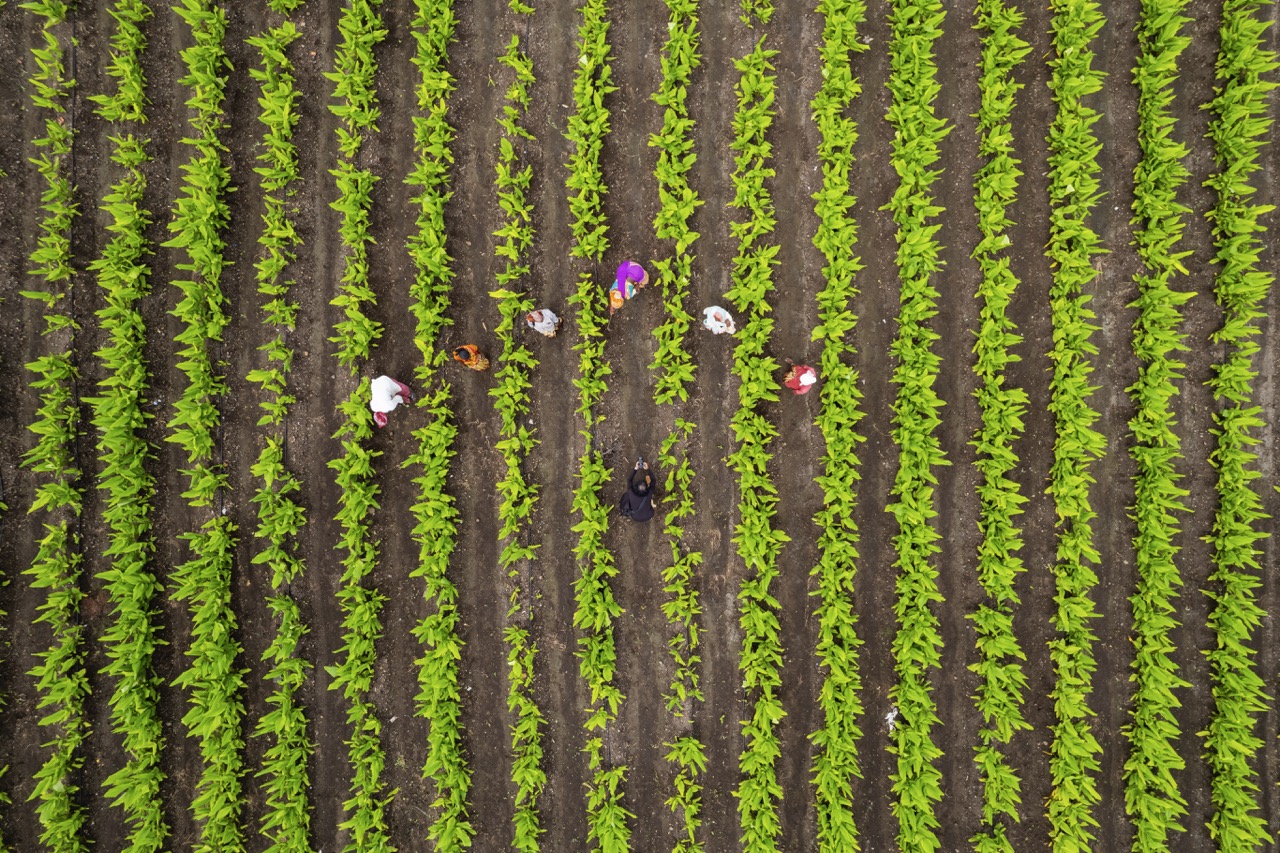
Sharecropping, a system where landowners lease land to farmers who cultivate crops in exchange for a share of the harvest, fosters a relationship built on cooperation and shared responsibility. This arrangement not only offers a solution for landless or resource-limited farmers but also promotes sustainable practices. The mutual dependency of landowners and sharecroppers encourages a focus on long-term soil health and ecosystem management, which are crucial for maintaining biodiversity.
One significant advantage of sharecropping is the inclination towards sustainable farming practices that arise from diversified interests. Both landowners and sharecroppers benefit from maintaining healthy ecosystems, which can lead to improved crop yields over time. By employing practices such as organic farming, crop rotation, and minimal tillage, sharecroppers contribute to the regenerative capacity of the land, enhancing overall productivity and stability.
Moreover, sharecropping can lead to the implementation of localized, knowledge-based practices that are more attuned to the specific ecological conditions of a farm. Farmers often utilize traditional knowledge and community insights to manage their shared land, which can include preserving native species, employing integrated pest management, and maintaining hedgerows. This localized approach not only supports the agricultural diversity of the farm but also creates habitats for various species, further enhancing biodiversity.
Enhancing Biodiversity Through Collaborative Farming Models
The collaborative nature of sharecropping provides a unique opportunity to implement innovative farming models that prioritize biodiversity. When sharecroppers work in tandem with landowners, they can engage in practices that promote a wide array of crops and livestock. This diversity acts as a buffer against pests and diseases, reducing the need for chemical inputs and fostering a more resilient farming system.
Additionally, sharecropping encourages cooperative efforts in maintaining biodiversity hotspots, such as wetlands and woodlands, on or near agricultural lands. By valuing these natural ecosystems, farmers can further integrate them into their farming practices, benefiting both the environment and their agricultural output. Such practices serve to create a more holistic approach to farming, where biodiversity is seen as an asset rather than an obstacle.
The emphasis on collaboration within sharecropping can also lead to the establishment of community-supported agriculture (CSA) initiatives. These models allow consumers to engage directly with local farmers and support diverse cropping systems. By cultivating a community around sharecropping, farmers can foster a greater understanding of biodiversity’s importance, creating a shared commitment to preserving it.
Ecological Benefits of Diverse Crop Rotations in Sharecropping
One of the most significant ecological benefits of sharecropping is the potential for diverse crop rotations. Sharecroppers often rotate different crops each season to maximize yields and improve soil health. This practice not only helps to break pest and disease cycles but also enhances soil fertility and structure, which are essential for sustainable farming.
Diverse crop rotations can encourage a fuller spectrum of soil microorganisms and beneficial insects, creating a more balanced ecosystem. By planting a variety of crops, sharecroppers can attract pollinators and other beneficial organisms that contribute to the overall health of the farm. This biodiversity can lead to improved ecosystem services, such as natural pest control and enhanced nutrient cycling, which are vital for long-term agricultural sustainability.
Moreover, the practice of growing cover crops—plants that are not harvested but serve to protect and enrich the soil—often accompanies rotation strategies in sharecropping systems. These cover crops can prevent soil erosion, suppress weeds, and improve water retention, which is increasingly important in the face of climate change. Ultimately, these ecological benefits underscore how sharecropping can contribute significantly to fostering biodiversity on farms.
Future Prospects: Sharecropping as a Biodiversity Strategy
As global awareness of environmental issues increases, sharecropping is poised to play a critical role in the future of sustainable agriculture. By embracing sharecropping, farmers can cultivate diverse cropping systems that align with goals of enhancing biodiversity while also addressing food security challenges. This model provides flexibility for farmers to adapt to changing environmental conditions and market demands.
Furthermore, policymakers and agricultural organizations are beginning to recognize the importance of biodiversity in food systems. By promoting sharecropping as a viable strategy, they can foster collaborative farming practices that prioritize ecological sustainability. Initiatives such as grants, technical assistance, and education focused on sharecropping can empower farmers to embrace biodiversity-enhancing practices.
Finally, as consumers increasingly demand sustainably produced food, sharecropping can help meet this need through diversified and resilient agricultural systems. By supporting sharecropping initiatives, communities can strengthen local food systems while simultaneously contributing to biodiversity conservation efforts. The future of agriculture may very well hinge on how effectively we can integrate these collaborative models into mainstream farming practices.
In conclusion, sharecropping presents a unique opportunity for enhancing biodiversity in agriculture through collaborative farming models and diverse crop rotations. By focusing on sustainable practices that prioritize ecological health, sharecropping can serve as a vital strategy in addressing both environmental degradation and food security challenges. As the agricultural landscape continues to evolve, fostering partnerships between landowners and sharecroppers will be essential in creating a thriving, biodiverse future for farming.