



In an era where food security and sustainability have become paramount concerns, community-based food systems are garnering increasing attention. Among the various innovative strategies to bolster local agriculture, crop sharing has emerged as a compelling model. This practice not only enhances food production but also fosters community engagement and resilience. By understanding and implementing crop sharing, communities can transform their local food systems to better serve their needs and values.
Understanding Crop Sharing: A Community-Centric Approach
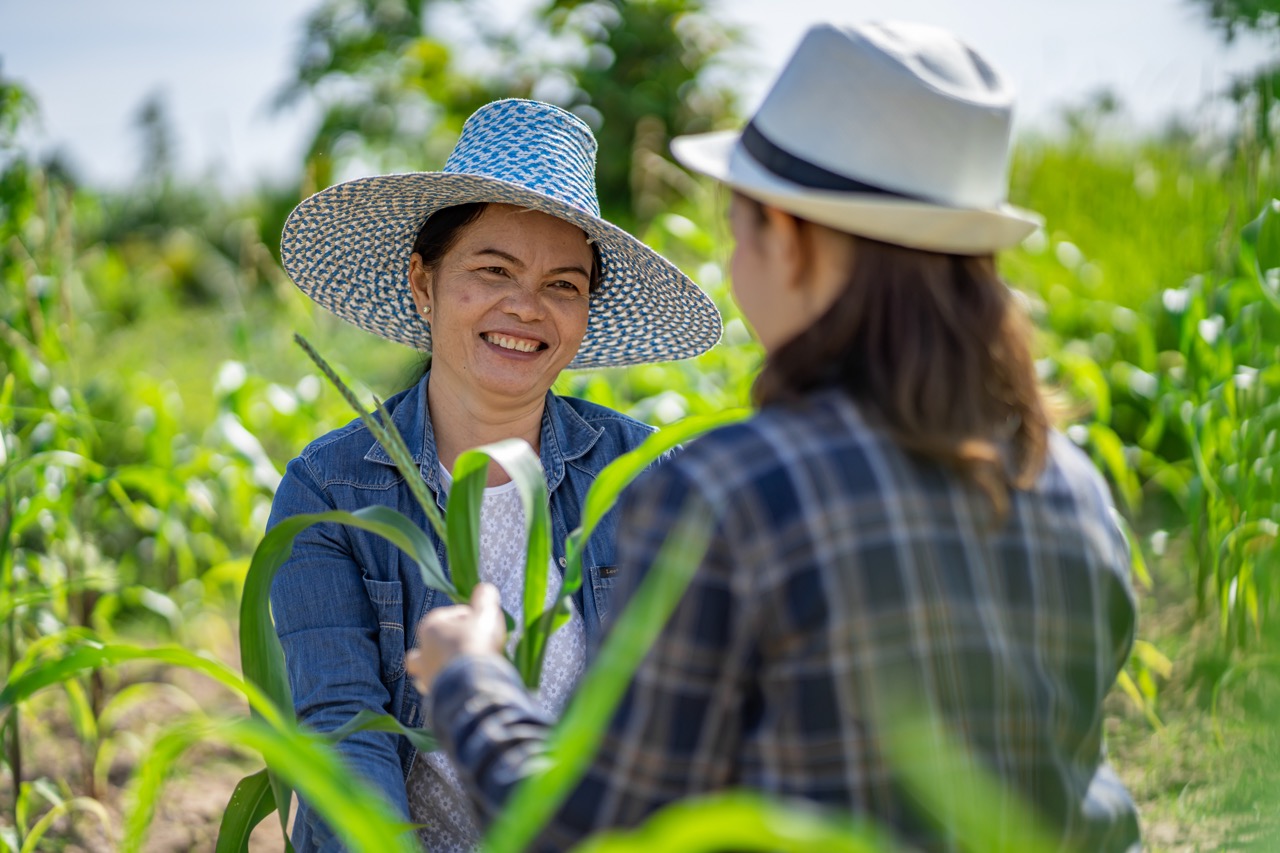
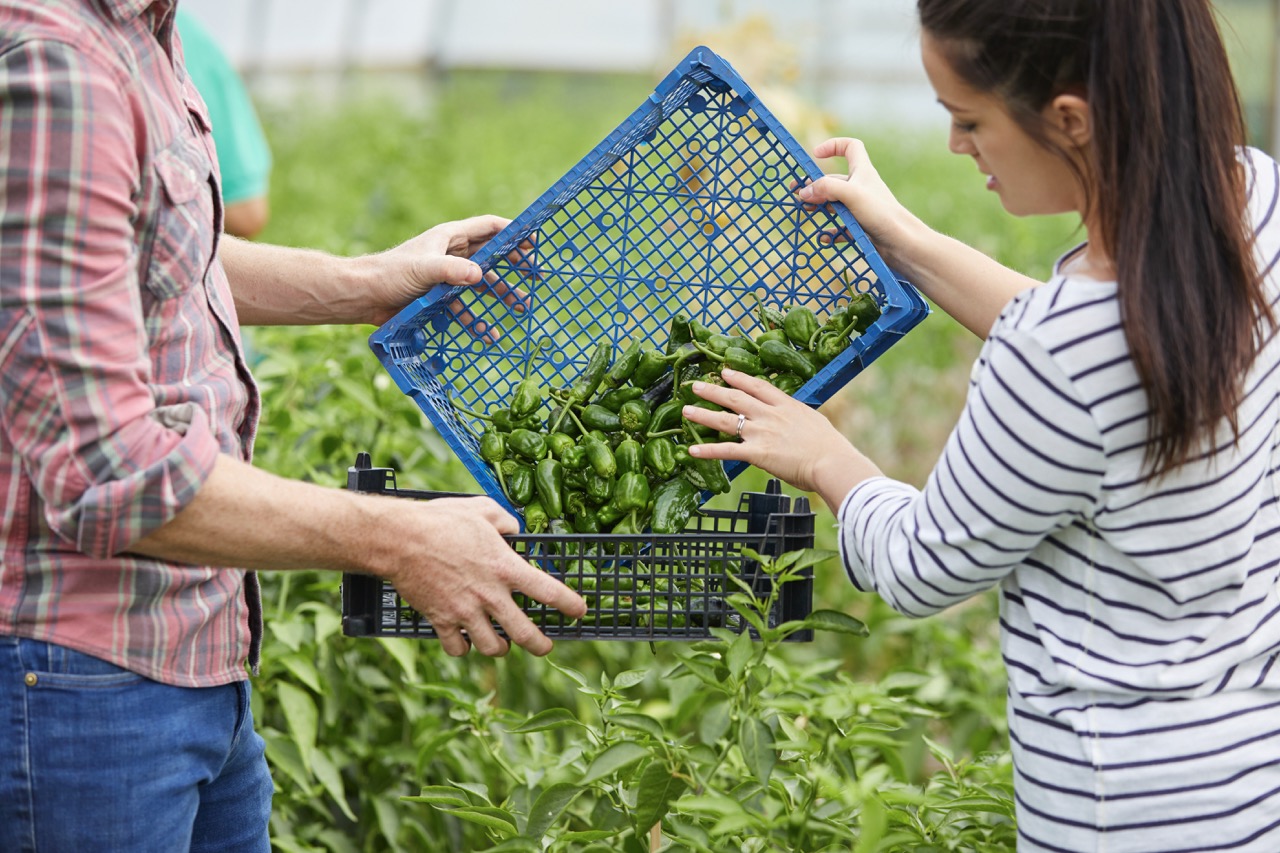
Crop sharing is a collaborative agricultural practice where community members pool resources, labor, and land to cultivate food jointly. Unlike traditional farming, where individual farmers operate independently, crop sharing emphasizes collective effort and shared benefits. This communal approach can take various forms, such as community gardens, cooperative farms, or shared plots where multiple families contribute to planting, maintenance, and harvesting.
At its core, crop sharing is rooted in the principles of cooperation and mutual support. It allows community members to work together to overcome barriers that individual farmers often face, such as lack of access to land, financing, or agricultural knowledge. By organizing efforts, communities can leverage their collective skills and resources, maximizing productivity and fostering social connections among participants.
Moreover, crop sharing encourages the preservation of local agricultural practices and biodiversity. When communities collaborate, they are more likely to cultivate a diverse array of crops suited to their specific environment and cultural preferences. This not only enhances the nutritional quality of the food produced but also helps maintain traditional farming techniques that may otherwise be lost in industrial farming systems.
Benefits of Crop Sharing for Local Food Systems
The advantages of crop sharing extend beyond mere food production; they play a pivotal role in community well-being and economic resilience. First and foremost, crop sharing increases food accessibility. By working together, community members can produce more food than they might individually, thereby reducing reliance on mass-produced, often imported foods. This local focus not only enhances food sovereignty but also promotes healthier dietary choices for residents.
Additionally, crop sharing fosters social cohesion and strengthens community ties. As individuals come together to cultivate land, they build relationships based on trust and cooperation. These social networks become vital in times of need, as community members can share resources, knowledge, and support. Moreover, the collective nature of crop sharing encourages educational opportunities, where experienced farmers can mentor novices, thereby passing on valuable skills and knowledge.
Lastly, crop sharing can boost local economies by keeping food production within the community. When food is grown locally, it circulates within the community, supporting local markets and reducing the carbon footprint associated with transportation. This not only strengthens the local economy but also helps build resilience against external economic shocks, as communities become less dependent on fluctuating global markets.
Overcoming Challenges in Community-Based Crop Sharing
Despite its numerous benefits, crop sharing is not without challenges. One significant hurdle is the need for effective organization and governance. Establishing clear roles, responsibilities, and expectations among participants is crucial to ensuring that efforts are equitable and productive. Miscommunication or lack of structure can lead to conflicts, which may undermine the collaborative spirit that crop sharing seeks to promote.
Moreover, access to land remains a critical barrier in many urban and suburban areas. As cities expand, agricultural land becomes increasingly scarce and expensive. This reality necessitates creative solutions, such as partnerships with local governments or organizations to utilize underutilized land for community-based agriculture. Engaging with local authorities can also help identify potential funding sources or grants to support crop sharing initiatives.
Finally, there is the challenge of sustainability. While crop sharing promotes the use of natural resources collectively, overexploitation or mismanagement of shared resources can lead to environmental degradation. It is essential for communities to adopt sustainable agricultural practices and prioritize ecological health alongside productivity to ensure long-term viability. This includes crop rotation, organic farming techniques, and conservation efforts that safeguard biodiversity and soil health.
Future Prospects: Strengthening Food Systems Through Sharing
Looking ahead, crop sharing has the potential to play a transformative role in redefining food systems as more equitable and sustainable. As communities increasingly prioritize local food production, the collaborative nature of crop sharing can be expanded to include more diverse stakeholders. Schools, non-profits, and local governments can partner with community members to develop comprehensive strategies that support and enhance crop sharing initiatives.
Technological advancements also offer new opportunities for crop sharing to flourish. Digital platforms can facilitate resource-sharing, connecting individuals looking for land or labor with those willing to offer it. Mobile apps can provide information on best practices, crop rotation schedules, and market opportunities, further empowering communities to take ownership of their food systems.
Finally, as awareness of climate change and food insecurity rises, crop sharing can serve as a model for sustainable resilience. By emphasizing community engagement and collaboration, crop sharing can foster a sense of ownership and responsibility towards local food systems. This grassroots approach can inspire larger systemic changes, encouraging policy shifts that prioritize local agriculture and support community-driven food initiatives.
In summary, crop sharing represents a powerful tool for enhancing community-based food systems. By promoting cooperation, building social networks, and emphasizing local production, crop sharing can help communities overcome challenges related to food security, accessibility, and sustainability. As we look to the future, embracing and expanding this model may well be key to creating resilient food systems that serve the needs of local populations while respecting the environment. The potential for crop sharing to revolutionize how communities interact with their food is vast, and it is a movement worth nurturing and promoting.