



In the intricate web of modern agriculture, sharecropping has emerged as a potent tool for local agricultural education and training. Often viewed through a historical lens as a remnant of past injustices, sharecropping in its contemporary form offers significant opportunities for hands-on learning and community empowerment. This article delves into how sharecropping serves as a valuable pathway to agricultural knowledge, connects local educational initiatives, provides practical skills development, and ultimately empowers communities in their agricultural pursuits.
Understanding Sharecropping: A Pathway to Agricultural Learning
Sharecropping is a system where landowners allow tenants to work on their land in exchange for a share of the crop produced. This arrangement can be especially beneficial for aspiring farmers lacking the resources to own land, as it offers them a practical avenue to gain experience in agricultural practices. Within this context, sharecropping has evolved into a model for agricultural learning, providing real-world exposure to farming techniques, crop management, and sustainable practices.
As sharecroppers engage with the land, they encounter the daily challenges of agricultural life, such as pest management, soil health, and seasonal cycles. This immersive experience fosters a deeper understanding of ecological principles and farming methodologies. By participating directly in the production process, individuals can learn about the complexities of agriculture that are often overlooked in traditional classroom settings.
Moreover, sharecropping cultivates a spirit of collaboration, as individuals often work alongside experienced farmers. This mentorship dynamic not only facilitates knowledge transfer but also reinforces the importance of community in agricultural education. By sharing insights and strategies, both novice and seasoned farmers enhance their collective understanding of effective farming practices.
Bridging the Gap: Sharecropping and Local Education Initiatives
As communities increasingly prioritize agricultural education, sharecropping can serve as a bridge connecting formal educational initiatives with practical application. Local agricultural education programs, often run by universities or community organizations, can partner with sharecroppers to create experiential learning opportunities. Such collaborations can enhance curriculum design by integrating real-world challenges faced by sharecroppers into the learning process.
Additionally, these partnerships can facilitate workshops and training sessions on advanced agricultural techniques, such as organic farming, crop rotation, and sustainable practices. By engaging directly with sharecroppers, educators can tailor their teaching to better reflect the needs and realities of local agricultural systems. This reciprocity ensures that educational programs remain relevant and beneficial to all parties involved.
Furthermore, these local education initiatives can take shape in various formats, from internships to community-based projects that leverage the experience of sharecroppers. Such programs not only enhance educational outcomes but also strengthen community ties by fostering a shared commitment to agricultural sustainability and innovation.
Practical Skills Development: Hands-On Training Through Sharecropping
One of the most significant advantages of sharecropping is the emphasis on hands-on training. Sharecroppers learn through doing, which is crucial for acquiring the practical skills necessary for successful farming. This immersive training environment allows them to apply theoretical knowledge in real-time, thereby solidifying their understanding of various agricultural concepts.
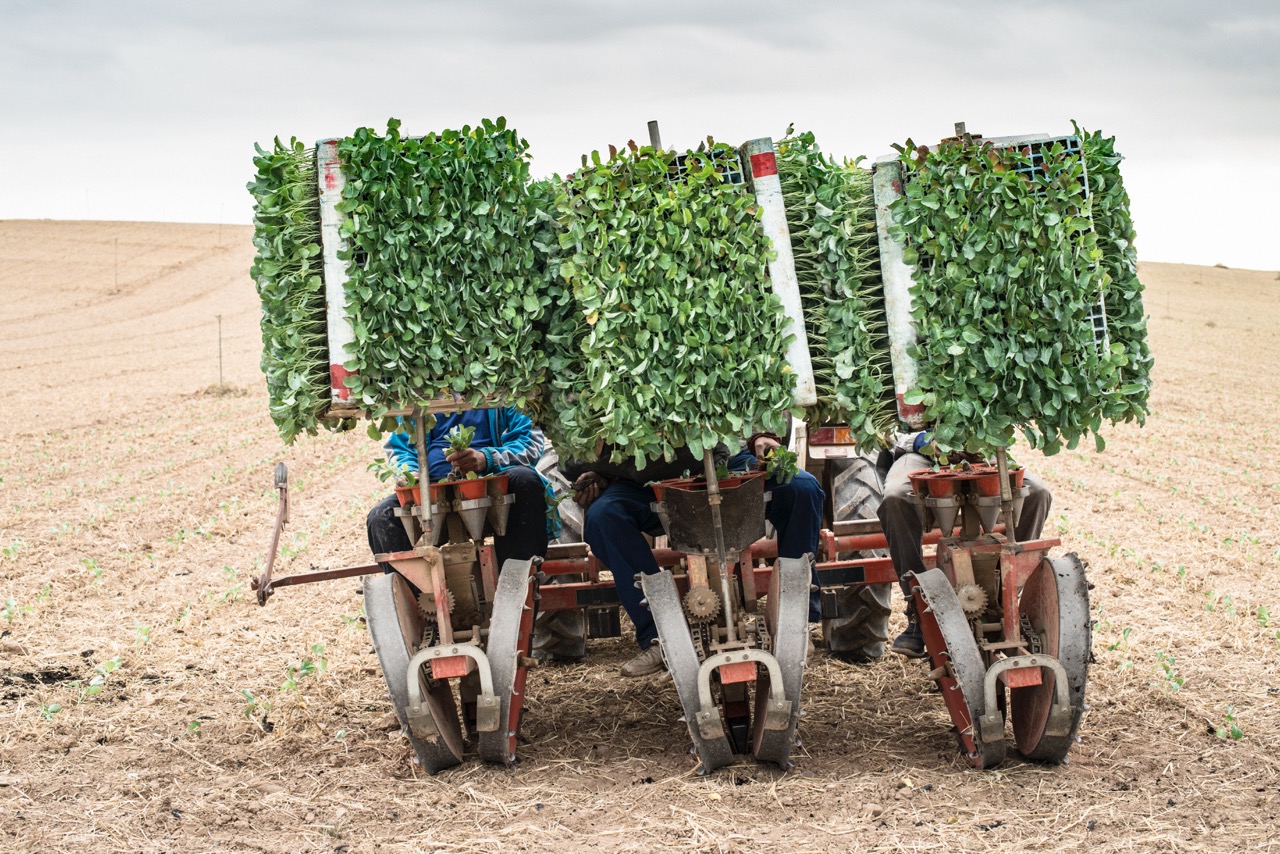
For example, sharecroppers often engage in tasks such as planting, irrigation, and harvesting, providing them with a comprehensive skill set that extends beyond mere production. They learn to navigate equipment, manage resources, and adapt to changing environmental conditions, which are essential competencies for a successful agricultural career. This hands-on approach not only builds technical skills but also fosters critical thinking and problem-solving abilities.
Moreover, the practical skills developed through sharecropping can have far-reaching implications for local economies. As sharecroppers gain expertise, they may choose to become independent farmers or contribute to local agricultural enterprises. This transition not only boosts individual livelihoods but also enhances the overall productivity and sustainability of the agricultural sector in their communities.
Empowering Communities: The Long-Term Impact on Agriculture Education
The long-term impact of sharecropping on agricultural education extends beyond individual skill development; it fundamentally empowers communities. By providing a platform for learning and collaboration, sharecropping promotes a culture of innovation and resilience within local agricultural systems. As participants gain knowledge and confidence, they become advocates for sustainable practices, potentially leading to regional agricultural advancements.
Moreover, the community-oriented nature of sharecropping fosters collective action. As sharecroppers pool their resources and knowledge, they can tackle larger challenges, such as food security and climate change. This communal approach not only strengthens the social fabric of the community but also enhances their capacity to address pressing agricultural issues collectively.
Finally, the empowerment stemming from sharecropping can create a ripple effect, inspiring future generations to engage in agriculture. When young people witness the success stories of sharecroppers, they are more likely to pursue careers in agriculture, thereby ensuring the continuity and evolution of local farming traditions. In this way, sharecropping not only serves as an educational tool but also as a catalyst for long-term community development.
In summary, sharecropping has evolved from its historical roots to become a dynamic framework for agricultural education and training. By providing accessible pathways to practical learning, bridging gaps between education and real-world application, fostering practical skills development, and empowering communities, sharecropping stands as a vital component in promoting sustainable agriculture. As we continue to navigate the challenges of modern food systems, harnessing the potential of sharecropping can lead to enhanced agricultural literacy and stronger, more resilient communities.