

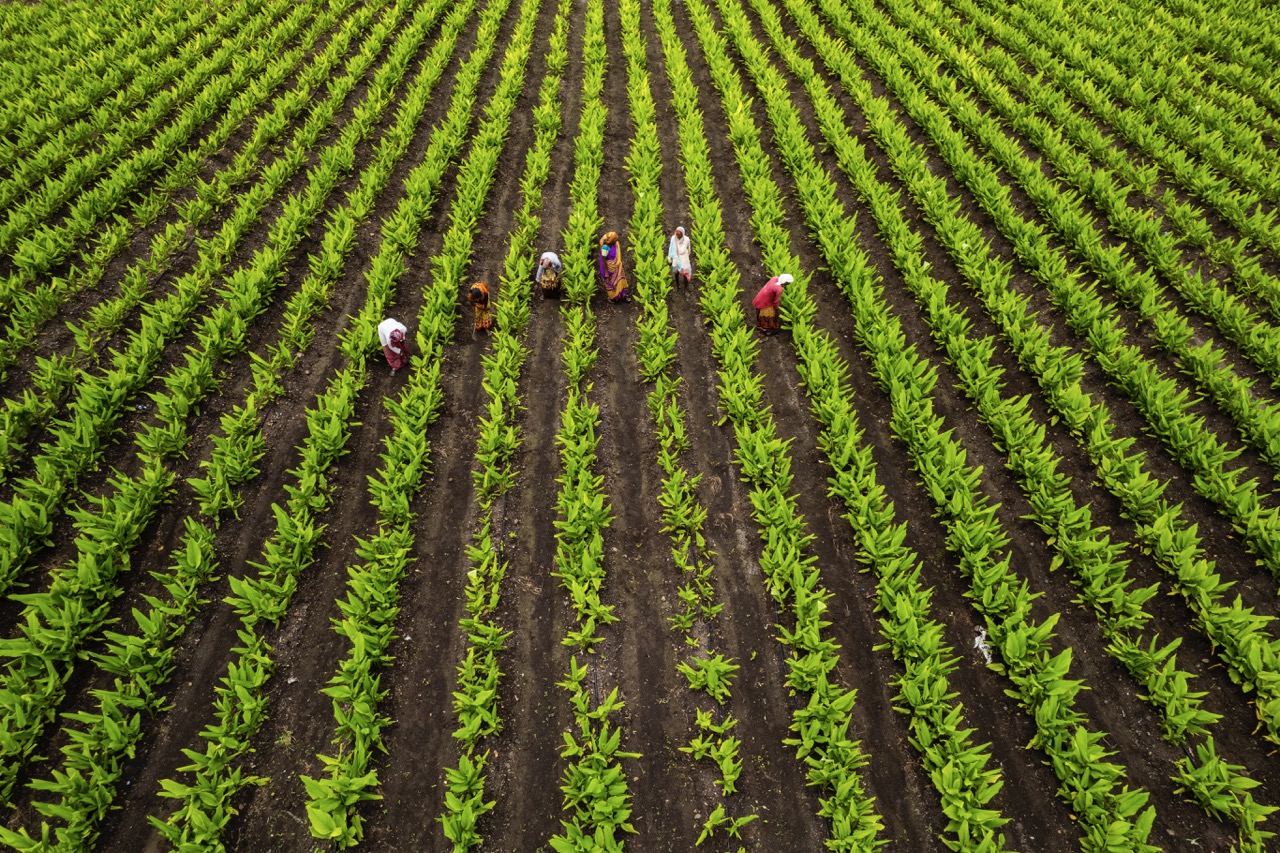
In the face of climate change, unpredictable weather patterns, and market fluctuations, small farmers worldwide are increasingly seeking innovative strategies to mitigate the impact of crop failure. One such approach is sharecropping, a time-honored system that allows smallholder farmers to cultivate land they do not own while sharing the profits with landowners. This article explores how sharecropping can serve as a viable solution to reduce the risk of crop failure, enhance economic resilience, promote crop diversity, and highlight successful implementations of this agricultural model.
Understanding Sharecropping: A Solution for Small Farmers
Sharecropping is a farming system where landowners provide land, tools, and sometimes seeds to farmers in return for a portion of the harvest. This arrangement enables small farmers, who may lack the financial resources to own or lease land outright, to participate in agricultural production. By lowering the barriers to entry, sharecropping empowers smallholders to cultivate land that would otherwise remain idle, increasing overall agricultural output. This mutually beneficial relationship allows landowners to maximize their land’s productivity while providing farmers with a platform for sustainable livelihoods.
Moreover, sharecropping fosters community ties and collaboration among farmers. Through shared resources and knowledge, farmers can create networks that enhance their resilience against possible crop failure. This communal approach enables sharecroppers to pool resources, share best practices, and collectively adapt to the challenges posed by climate change. These social connections can be invaluable when it comes to accessing emergency funds or support during difficult seasons, further reducing the risks associated with crop failures.
Additionally, sharecropping can be an effective way to facilitate access to modern agricultural practices and technologies. Landowners often have a vested interest in the success of their sharecroppers, leading them to invest in training and resources that can improve yields. By adopting innovative methods and sustainable practices, sharecroppers can enhance their productivity while simultaneously reducing risks associated with crop failure.
The Economics of Sharecropping and Risk Management
The economic structure of sharecropping allows farmers to manage their financial risks more effectively. By sharing the yield with landowners, farmers can mitigate the financial burden associated with crop failures. In a traditional farming model, a single failed crop can lead to devastating debt for farmers. However, in sharecropping agreements, the risk is somewhat distributed, as both parties have a stake in the success of the harvest. This collaboration can encourage a more sustainable approach to farming, where the focus is on long-term viability rather than short-term profit.
Furthermore, sharecropping can also provide access to diversified income streams. Many sharecroppers engage in multiple cropping systems, growing various crops in tandem. This diversification not only helps safeguard against total crop failure but also allows farmers to capitalize on changing market demands. If one crop fails or prices fluctuate, the farmer may still have other crops to rely on, cushioning them against economic shocks and ensuring their survival.
Additionally, the arrangement can lead to improved financial stability for landowners. By working with sharecroppers, landowners can benefit from regular income without bearing the full risk of crop production. This financial stability can encourage landowners to reinvest in their agricultural practices, leading to infrastructure improvements and better farming technologies, all of which contribute to reducing the risk of crop failure.
How Sharecropping Encourages Crop Diversity and Resilience
Sharecropping inherently promotes crop diversity due to the nature of the agreements. Farmers often grow a mix of crops on the land they are cultivating, which can lead to healthier ecosystems and increased soil fertility. Diverse cropping systems are more resilient to pests, diseases, and climate variability, as they create a buffer against total crop losses. By cultivating a variety of crops, sharecroppers can ensure that if one crop fails, others may still thrive, securing food production and income.
In addition, crop diversity can enhance the nutritional quality of food production. Sharecroppers often focus on a mix of staple grains, vegetables, and legumes, which not only supports their families’ dietary needs but also contributes to local food security. This focus on diverse crops can lead to improved health outcomes for communities, as varied diets are linked to better nutrition and reduced health risks.
Moreover, the increased resilience provided by crop diversity can act as a safeguard against the unpredictable effects of climate change. By practicing adaptive management techniques, such as intercropping or crop rotation, sharecroppers can respond proactively to environmental stresses. These practices not only contribute to the sustainability of agriculture but also foster a culture of innovation among farmers, encouraging ongoing learning and adaptation to changing conditions.
Success Stories: Sharecropping in Action Against Crop Failure
Across the globe, there are numerous success stories highlighting how sharecropping has effectively reduced the risk of crop failure. In regions of sub-Saharan Africa, sharecropping has been instrumental in helping smallholder farmers access land and cultivate diverse crops. By working together, farmers have been able to share resources, knowledge, and risks, leading to increased production yields and improved food security in their communities. For instance, a group of sharecroppers in Uganda successfully implemented sustainable farming practices, resulting in significantly reduced crop losses due to pest infestations and environmental stress.
In the United States, historical examples of sharecropping in the post-Civil War South demonstrate the potential for economic resilience through cooperative farming. Although the system faced numerous challenges, many African American sharecroppers successfully maintained their livelihoods through diversified cropping, building strong community ties that supported each other in times of need. This legacy illustrates how sharecropping can help build resilience and foster economic stability, even in challenging circumstances.
Another noteworthy example comes from India, where sharecropping arrangements have allowed farmers to implement modern agricultural techniques that they would not have been able to access independently. One cooperative of sharecroppers in Maharashtra utilized sustainable farming methods, such as organic fertilizers and rainwater harvesting, leading to improved harvests and less reliance on chemical inputs. This not only helped reduce the risk of crop failure but also improved the long-term sustainability of their farming practices, showcasing the positive impact of sharecropping on local agricultural systems.
In conclusion, sharecropping presents a viable alternative for small farmers seeking to mitigate the risks associated with crop failure. By promoting resource sharing, financial stability, crop diversity, and community resilience, this age-old agricultural model can adapt to modern challenges. As the world grapples with the impacts of climate change and economic uncertainty, exploring and supporting sharecropping initiatives could be a key strategy in ensuring food security and sustainable livelihoods for smallholder farmers around the globe.