

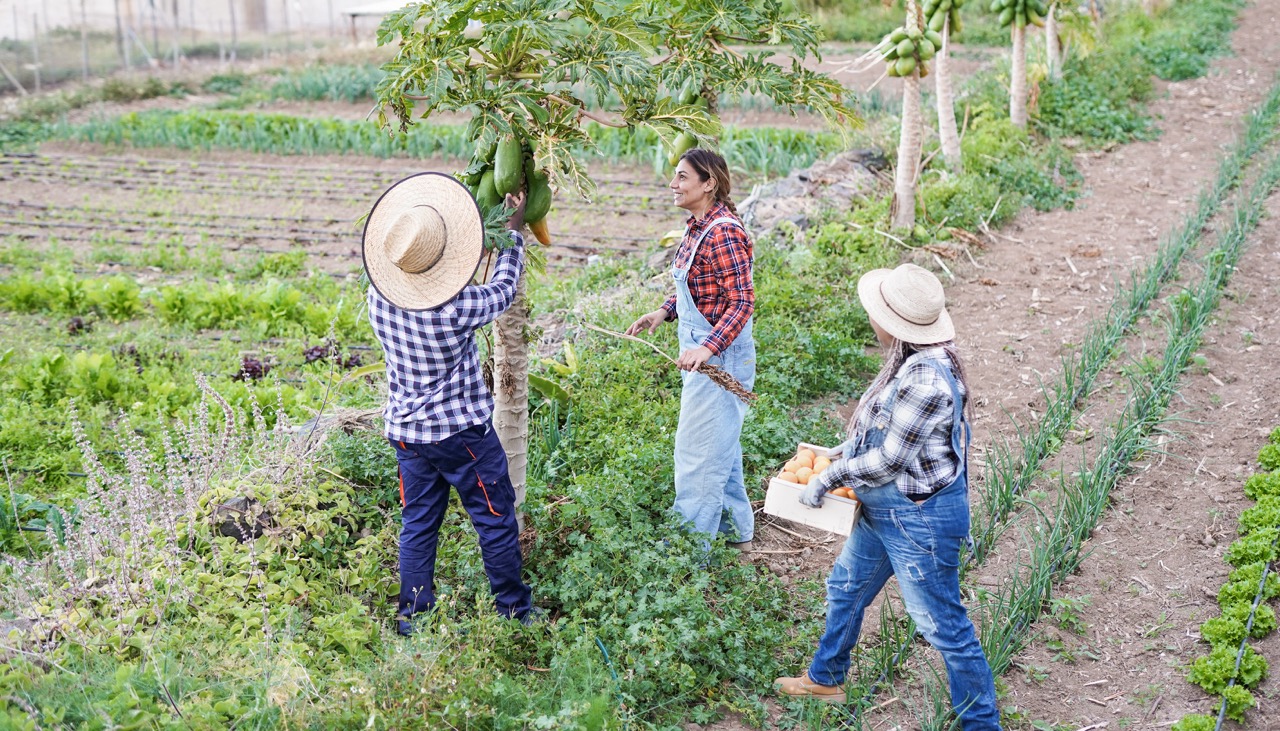
Sharecropping, a system of agriculture with deep historical roots, has evolved significantly over time. While often viewed through the lens of its tumultuous past, sharecropping today stands as a crucial player in local economies. By facilitating relationships between landowners and farmers, sharecropping supports local markets and fosters direct sales, benefiting both producers and consumers. This article explores how sharecropping functions in modern economic systems, its benefits for direct sales, its role in community-building, and its future in sustainable agricultural practices.
Understanding Sharecropping’s Role in Local Economies
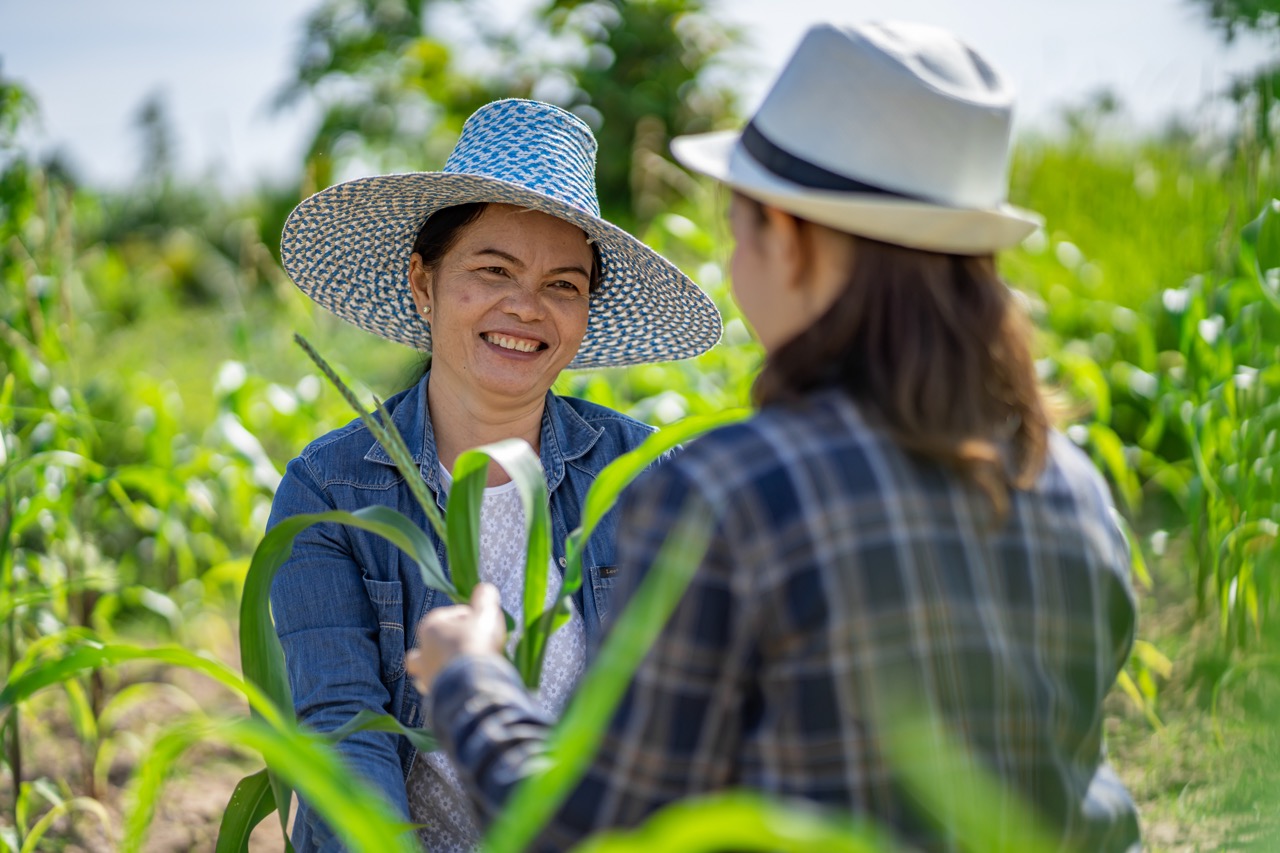
Sharecropping allows small-scale farmers to cultivate land they do not own, typically in exchange for a portion of the crop produced. This agricultural model is particularly significant in rural areas where traditional employment opportunities may be limited. By providing farmers access to land, sharecropping can stimulate local economies, as it encourages agricultural production and generates income for families. The crops harvested often find their way into local markets, bolstering the economic fabric of the community.
Furthermore, sharecropping enables the diversification of crops grown in a region, which can be critical for enhancing food security. When farmers grow a variety of crops, they not only provide local consumers with a more balanced diet but also create multiple revenue streams for themselves. This diversification can enhance resilience against market fluctuations and adverse weather conditions, ensuring that local economies remain vibrant and sustainable even in the face of challenges.
Moreover, sharecropping can lead to an increase in local investment. When farmers succeed, they often reinvest their profits into the community—supporting local businesses, schools, and infrastructure. This reinvestment cycle helps amplify the economic benefits of sharecropping and demonstrates its potential to contribute positively to local economies, making it an essential component of contemporary agricultural practices.
The Benefits of Direct Sales for Farmers and Consumers
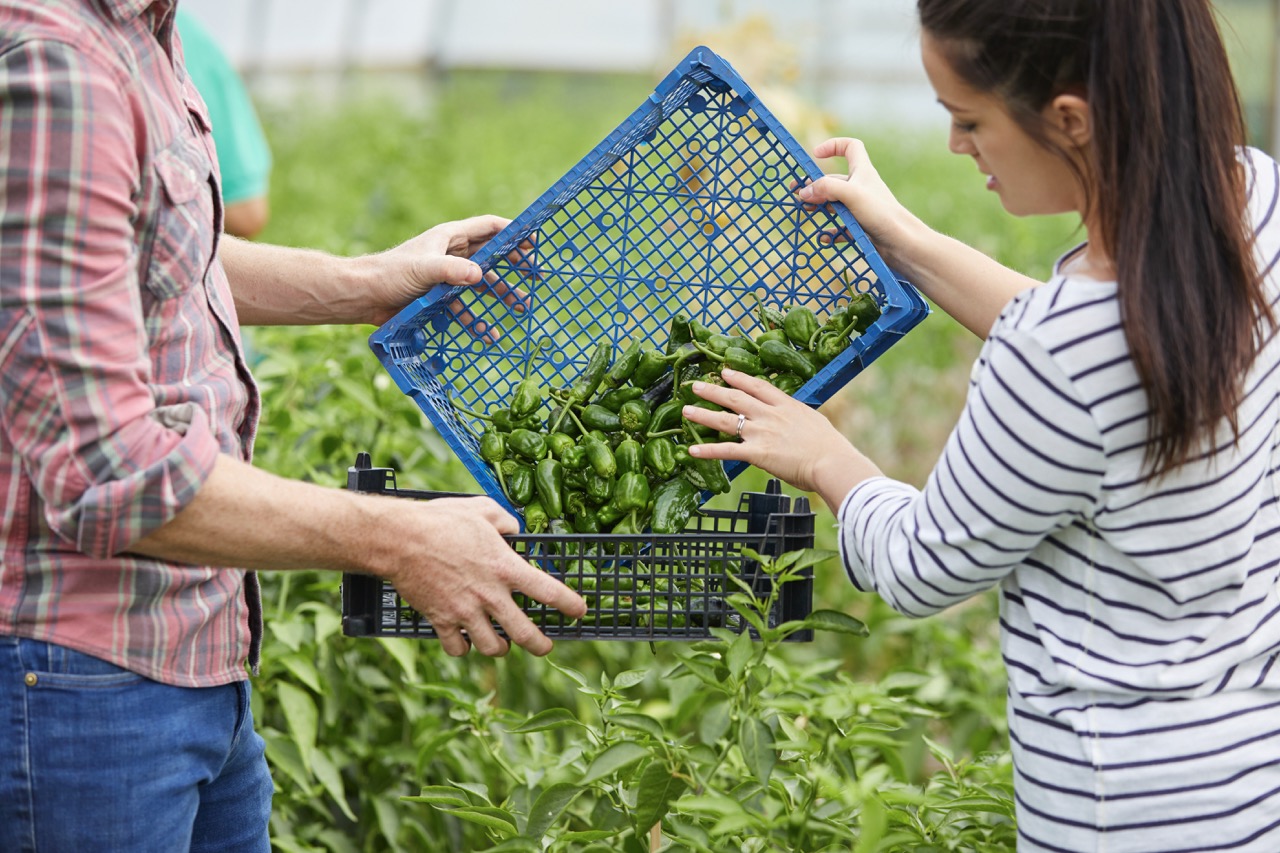
Direct sales are a crucial aspect of sharecropping, allowing farmers to sell their produce directly to consumers, thereby bypassing middlemen. This practice not only enhances the profitability of the farming operation but also ensures that a larger share of the retail price goes to the farmer. By selling directly, sharecroppers can negotiate better prices, which can lead to increased income and improved living conditions for their families.
For consumers, buying directly from sharecroppers results in fresher produce and often a wider variety of local products. This access to fresh food can improve dietary health for community members and foster a connection between consumers and their food sources. Furthermore, local markets stimulate demand for regionally grown products, promoting a cycle of local economic support that can keep money circulating within the community.
Additionally, direct sales can cultivate transparency in agricultural practices. Many consumers today are increasingly concerned about how their food is produced and where it comes from. Engaging directly with farmers through farmers’ markets or community-supported agriculture (CSA) programs allows consumers to gain insight into the farming methods used, thereby fostering trust and encouraging responsible agricultural practices. This newfound awareness can lead to a more informed consumer base advocating for sustainable practices in their local food systems.
Strengthening Community Ties Through Agricultural Practices
Sharecropping doesn’t just bolster the local economy; it also plays a vital role in strengthening community ties. Farmers operating within a sharecropping arrangement often form networks with each other, exchanging knowledge, resources, and support. These relationships can lead to shared best practices, resulting in improved crop yields and sustainable farming techniques. The collaborative nature of sharecropping fosters a sense of unity and collective responsibility among community members.
Moreover, local markets and direct sales bring people together, creating opportunities for social interaction and communal events. Farmers’ markets, for instance, serve as gathering places where residents can connect, learn from each other, and celebrate local culture. This sense of community enhances not only social networks but also builds local identity, as consumers align themselves with the people and places that produce their food.
As communities grow stronger through these connections, they may also become more resilient. In times of crisis—be it economic downturns, natural disasters, or health emergencies—community ties can facilitate rapid responses. When local farmers and consumers have established relationships, they are more likely to support each other during challenging times, further reinforcing the importance of sharecropping in cultivating robust community dynamics.
The Future of Sharecropping in Sustainable Market Models
As the global economy increasingly pivots toward sustainability, sharecropping is poised to play a critical role in modern agricultural models. By aligning closely with sustainable practices, sharecroppers can contribute to environmental stewardship, ensuring that land is cared for and resources are used judiciously. This approach not only benefits the landowners and farmers but also resonates with consumers who prioritize sustainable sourcing in their purchasing decisions.
Emerging technologies and platforms that facilitate direct sales can further enhance the efficacy of sharecropping. Online marketplaces and mobile applications can help sharecroppers reach consumers more effectively, expanding their market reach beyond local borders. This technological integration has the potential to increase profitability and provide farmers with valuable data on consumer preferences, allowing them to adapt their production accordingly.
Looking ahead, policies that support sharecropping arrangements will be essential in promoting sustainable market models. Government and nonprofit organizations can play a pivotal role in providing resources, education, and financial assistance to sharecroppers. By investing in these relationships, society can leverage the inherent strengths of sharecropping to create a more equitable and sustainable agricultural landscape, benefitting local economies and communities for generations to come.
In conclusion, sharecropping has evolved into a multifaceted system that supports local markets and fosters direct sales, creating a symbiotic relationship between farmers and consumers. The benefits of this arrangement extend beyond economic advantages, as it strengthens community ties and promotes sustainability within agricultural practices. As we look to the future, embracing sharecropping and its potential in sustainable market models can pave the way for more resilient local economies, benefiting both producers and consumers alike.