

In recent years, technology has dramatically reshaped various sectors, and agriculture is no exception. As farmers face challenges ranging from climate change to fluctuating market demands, innovative solutions powered by digital advancements are emerging as vital tools for crop sharing. The convergence of agriculture and technology has not only transformed traditional practices but has also opened up new avenues for efficiency, sustainability, and community engagement. This article explores how technology is revolutionizing the way crops are shared, connecting farmers and consumers like never before.
The Digital Revolution: Transforming Crop Sharing Practices
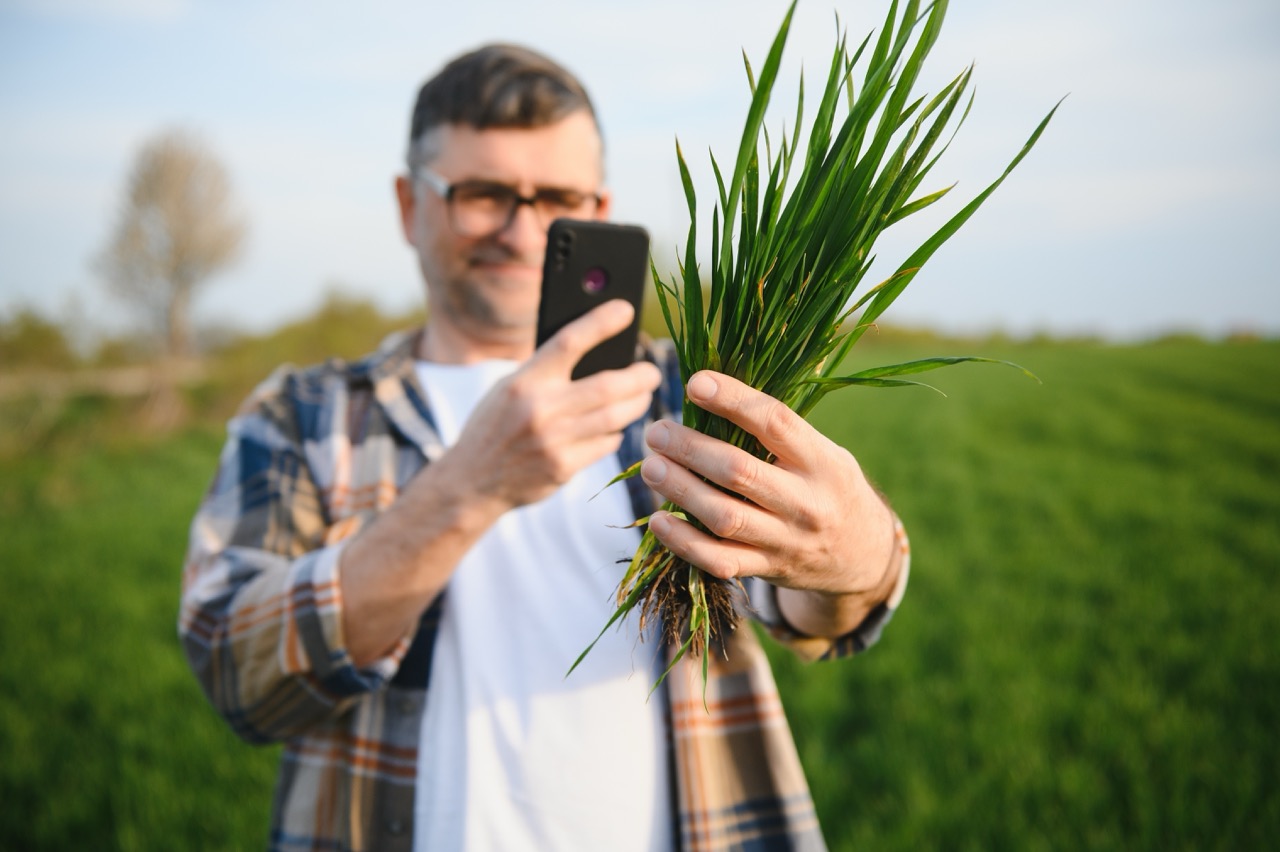
The digital revolution has ushered in a new era for agricultural practices, significantly altering how farmers and consumers interact. Traditional methods of crop sharing, often limited to local markets or informal barter systems, are being replaced by robust digital platforms that facilitate seamless transactions. Mobile applications, social media, and e-commerce websites now enable farmers to reach a broader audience, allowing them to showcase their produce directly to consumers. This paradigm shift not only enhances transparency in pricing but also fosters a sense of community among both producers and buyers.
Furthermore, technology’s integration into agriculture has empowered farmers with valuable insights about market trends and consumer preferences. Through data analytics, farmers can make informed decisions about what crops to plant and when to sell them, optimizing their yield and profitability. This newfound access to information has enabled a more collaborative approach to crop sharing, where farmers can work together to meet demand while minimizing waste. The ability to share crop-related information digitally has made it easier to coordinate efforts, promote local produce, and support sustainable agricultural practices.
However, the transition to digital platforms is not without its challenges. Issues such as the digital divide, where some farmers lack access to the necessary technology or the internet, must be addressed to ensure that the benefits of crop sharing innovations are equitable. Initiatives aimed at providing training and resources for rural farmers can help bridge this gap, allowing all stakeholders to participate in this digital agricultural landscape. As technology continues to evolve, it is crucial to cultivate an inclusive environment that empowers every farmer to embrace these transformative practices.
Innovative Platforms Connecting Farmers and Consumers Globally
The rise of innovative platforms has fundamentally changed how farmers connect with consumers, creating a global marketplace for agricultural products. Online marketplaces such as Farmigo and LocalHarvest allow farmers to list their produce for sale directly to consumers, streamlining the buying process and reducing the need for intermediaries. This direct-to-consumer model not only provides farmers with better profit margins but also enables consumers to access fresh, local produce, significantly enhancing food quality and safety.
Moreover, community-supported agriculture (CSA) programs have embraced digital tools to expand their reach. Through subscription-based models, consumers can receive regular deliveries of seasonal crops directly from local farms. This model fosters a stronger relationship between farmers and consumers, as buyers become more invested in the agricultural process. By harnessing technology, CSAs can efficiently manage subscriptions, track inventory, and communicate directly with their members, ensuring a more personalized and engaging experience.
In addition to these platforms, social media plays a crucial role in connecting farmers with consumers on a global scale. Farmers can use platforms like Instagram and Facebook to share their stories, showcase their practices, and build a loyal following. This not only enhances brand recognition but also helps to educate consumers about the importance of supporting local agriculture. As these innovative platforms continue to evolve, they represent a significant shift in how agricultural products are marketed and shared, paving the way for a more interconnected farming community.
Data-Driven Approaches Enhancing Crop Distribution Efficiency
The application of data analytics in agriculture has produced substantial gains in crop distribution efficiency. Farmers now have access to a wealth of information regarding weather patterns, soil conditions, and market dynamics, enabling them to make informed decisions about crop sharing and distribution. By analyzing historical data and real-time metrics, farmers can optimize their harvest schedules, reducing waste and ensuring that crops reach consumers at their peak freshness.
Moreover, technologies such as blockchain are paving the way for improved traceability in crop sharing. Blockchain can provide a transparent record of where produce has come from, how it has been handled, and its journey to market. This level of transparency is increasingly important to consumers who are concerned about food safety and quality. By leveraging blockchain technology, farmers can build trust with consumers, fostering loyalty and encouraging repeat business.
In addition to improving efficiency, data-driven approaches can help reduce the environmental impact of agriculture. By optimizing distribution routes and minimizing overproduction, farmers can lower their carbon footprint, contributing to more sustainable practices. As technology continues to advance, the potential for data-driven solutions to enhance crop sharing will only grow, leading to a more resilient agricultural industry.
The Future of Agriculture: Sustainable Sharing Solutions Emerges
As the global agricultural landscape continues to evolve, the future of crop sharing is increasingly focused on sustainability. Innovations in technology are enabling farmers to adopt more sustainable practices, from precision agriculture techniques that minimize resource use to vertical farming systems that maximize yield in limited spaces. These advancements encourage a more efficient use of land and water, aligning agricultural practices with growing environmental concerns.
Furthermore, sustainable sharing solutions emphasize the importance of local food systems. By connecting consumers with local farmers through digital platforms, communities can reduce the carbon footprint associated with transporting food over long distances. This local approach not only supports regional economies but also fosters a deeper appreciation for the agricultural process, encouraging consumers to make more informed choices about their food sources.
Ultimately, the integration of technology in crop sharing is poised to play a pivotal role in shaping the future of agriculture. As more farmers embrace digital tools and sustainable practices, the agricultural sector will become increasingly resilient, adaptable, and mindful of its impact on both the planet and communities. Embracing this change will require collaboration among farmers, consumers, and technology providers, ensuring that the benefits of innovation are shared equitably across the agricultural landscape.
In conclusion, the intersection of technology and agriculture is reshaping the way we share crops, fostering greater efficiency, sustainability, and community engagement. As innovative platforms emerge and data-driven approaches become the norm, farmers and consumers alike stand to benefit from a more transparent and interconnected agricultural ecosystem. By embracing these advancements and prioritizing sustainability, the future of crop sharing holds immense potential for not just the agricultural industry, but also for the communities that depend on it. The journey ahead promises to be one of collaboration and innovation, pushing the boundaries of what is possible in the realm of food production and distribution.