
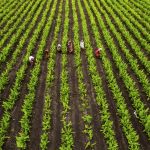



In an era marked by unpredictable weather patterns, economic fluctuations, and shifting consumer preferences, farm diversification has emerged as a crucial strategy for ensuring long-term success. By adopting a diversified approach, farmers can mitigate risks, enhance productivity, and create a more sustainable business model. This article will explore the importance of farm diversification strategies, provide guidance on evaluating current operations, suggest profitable crop and livestock choices, and emphasize sustainable practices that contribute to future resilience.
Understanding the Importance of Farm Diversification Strategies
Farm diversification involves expanding the variety of products and services offered on a farm to reduce reliance on a single source of income. This approach is essential for farmers, as it can buffer against market volatility and unexpected events, such as crop failures or price drops for specific commodities. By cultivating multiple crops or integrating livestock, farmers can create a more stable income stream and develop a safety net that can be crucial during tough economic times.
Moreover, diversification can enhance soil health and biodiversity, contributing to a more sustainable agroecosystem. Different crops can complement each other when grown together, improving nutrient uptake and reducing the need for chemical fertilizers. Livestock can also play a vital role in a diversified farming system, providing manure for fertilization and helping to manage land more effectively. This symbiosis not only bolsters farm productivity but also aligns with the growing consumer demand for environmentally responsible practices.
Finally, diversifying a farm can open up new markets and revenue opportunities. Farmers who grow a variety of products can appeal to more consumers, including local markets, restaurants, and organic food suppliers. By tapping into niche markets, such as heirloom vegetables or specialty meat breeds, farmers can increase their profit margins and ensure their operations are more resilient to market shifts.
Evaluating Your Current Farm Operations and Resources
Before implementing diversification strategies, a thorough evaluation of current farm operations is essential. This evaluation should encompass an assessment of land resources, existing crops and livestock, labor availability, and financial health. Understanding these factors can help farmers identify strengths that can be leveraged and weaknesses that need to be addressed before embarking on diversification efforts.
Soil health plays a crucial role in determining the types of crops that can be introduced successfully. Conducting soil tests can provide insight into nutrient levels, pH balance, and microbial activity, guiding farmers in selecting crops that not only thrive in their current conditions but also enhance the overall health of the farm ecosystem. Additionally, analyzing market conditions and consumer trends can inform decisions about which crops or livestock are likely to be profitable in the coming years.
Labor resources are another critical consideration in the evaluation process. Diversifying a farm may require additional skills or labor, which could necessitate investing in training or hiring new staff. Understanding the capabilities of current labor forces, as well as the potential for automation, can help farmers determine the feasibility of their diversification plans. A well-rounded assessment of these various factors sets the foundation for making informed decisions about future expansion.
Selecting Profitable Crops and Livestock for Your Farm
Once a thorough evaluation has been conducted, the next step is to identify which crops and livestock are best suited for diversification. Factors to consider include local climate, soil conditions, market demand, and the farmer’s own expertise and interest. For instance, a region known for its mild climate may be well-suited for growing specialty vegetables or fruits, while areas with lush pastures might support diversified livestock operations.
Moreover, it’s essential to consider the profitability of potential new crops and livestock. Researching market trends, assessing competition, and gauging consumer interest in organic or locally sourced products can provide valuable insights. Engaging with local agricultural extension services or agricultural cooperatives can also yield advice on successful crops in the region, as well as emerging market opportunities that may not yet be saturated.
Ultimately, farmers should strive to select crops and livestock that not only promise financial returns but also align with their long-term vision for sustainability and environmental stewardship. Integrating perennial crops, for example, can reduce erosion and improve soil structure while providing a consistent yield over time. Similarly, choosing livestock breeds that are well adapted to the local environment can enhance animal welfare and productivity, ensuring a more resilient farming operation.
Implementing Sustainable Practices for Future Resilience
To ensure that a diversified farm remains viable in the long term, implementing sustainable practices is paramount. This includes adopting crop rotation, cover cropping, and integrated pest management techniques that promote ecological balance. These practices can enhance soil fertility, reduce reliance on chemical inputs, and mitigate the impacts of pests and diseases, ultimately leading to healthier crops and livestock.
Additionally, water management is a critical component of sustainable agriculture. Farmers should assess their irrigation methods and explore options for rainwater harvesting, drip irrigation, or other water-saving techniques that can improve efficiency and reduce water waste. Implementing sustainable practices not only contributes to the ecological health of the farm but can also lead to cost savings in the long run, making operations more economically viable.
Lastly, staying informed about advancements in sustainable farming techniques and technologies is crucial for ongoing success. Participating in workshops, joining agricultural organizations, and networking with other farmers can provide access to new ideas and practices. By committing to continuous improvement and adaptation, farmers can ensure their diversified operations remain resilient and profitable in an ever-changing agricultural landscape.
Diversifying a farm is not merely a strategy for mitigating risks; it is a pathway towards a more sustainable and prosperous future. By understanding the importance of diversification, evaluating existing resources, selecting profitable crops and livestock, and implementing sustainable practices, farmers can lay a robust foundation for long-term success. As the agricultural landscape continues to evolve, those who embrace diversification will be better equipped to face challenges and seize opportunities in a dynamic market.