

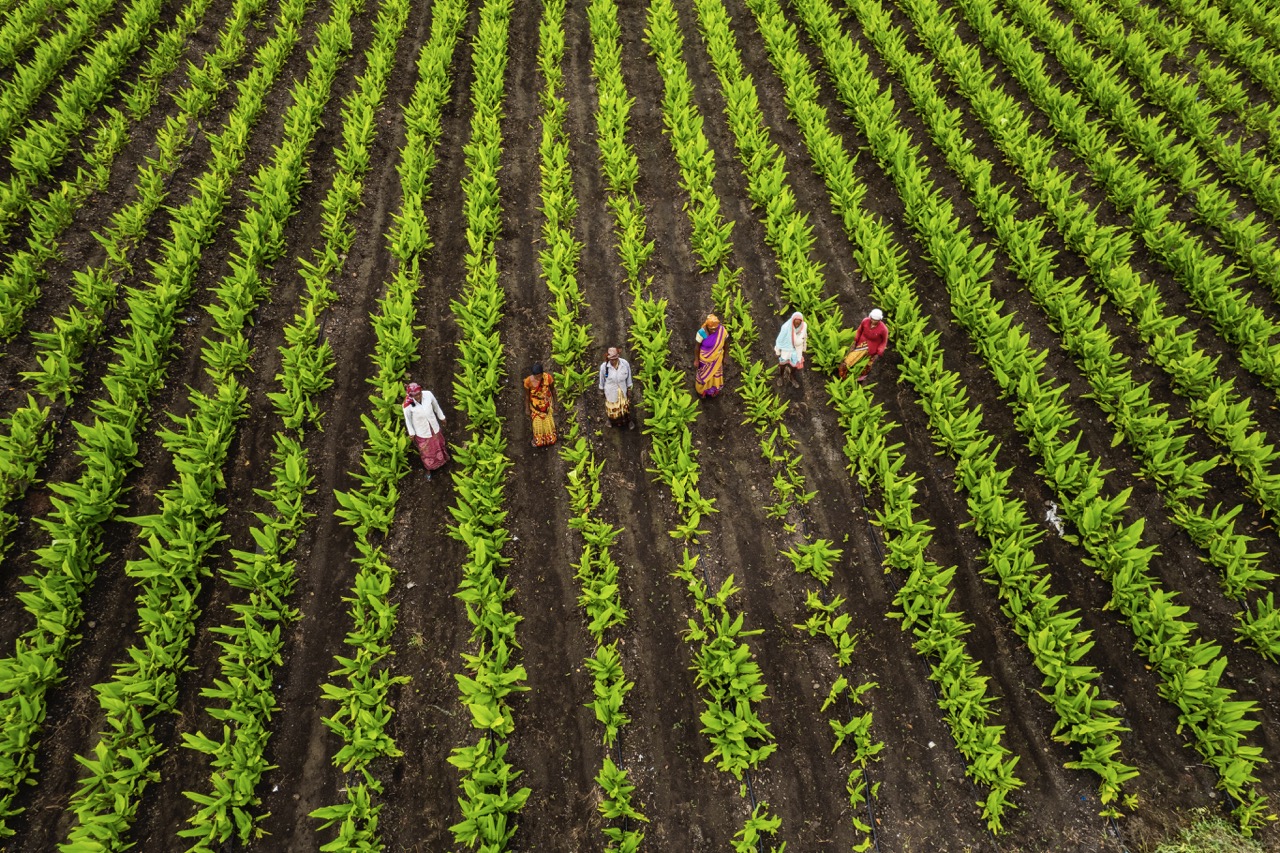
In recent years, the importance of pollinators in agricultural systems has gained significant attention. Pollinators, such as bees, butterflies, and birds, play a critical role in the reproduction of many crops, contributing to food security and ecosystem health. Sharecropping systems, characterized by their diverse crop rotations and community-oriented farming practices, present unique opportunities to incorporate pollinator habitats. By understanding the synergy between pollinators and agriculture, farmers can enhance their yields and promote sustainable farming practices. In this article, we will explore the importance of pollinator habitats, effective strategies for integration, the benefits for crop yields and biodiversity, and successful case studies that highlight the potential in sharecropping systems.
Understanding the Importance of Pollinator Habitats in Agriculture
Pollinator habitats are essential for maintaining healthy ecosystems and ensuring the productivity of agricultural systems. They provide shelter, food, and breeding grounds for various pollinator species, which are vital for the pollination of a significant portion of food crops. It’s estimated that about one-third of the food we consume depends on pollinators. This interdependence underscores the need to create environments that support these crucial creatures, especially in sharecropping systems where multiple crops are often grown in proximity to one another.
Incorporating pollinator habitats in agriculture not only supports the health of pollinator populations but also enhances crop resilience. Diverse habitats can attract a variety of pollinators, which can lead to improved pollination rates and consequently higher fruit set and seed production. Moreover, preserving natural habitats within agricultural landscapes can help mitigate the effects of monoculture practices, providing stability in an environment increasingly affected by climate change and other anthropogenic pressures.
Furthermore, the incorporation of pollinator habitats aligns with sustainable agricultural practices. By fostering biodiversity and ecosystem services, farmers can reduce their reliance on chemical inputs, such as pesticides and fertilizers, which can be detrimental to pollinator health. Sharecropping systems, with their focus on cooperative practices and resource sharing, are well-suited to implement these ecological strategies, benefiting both the environment and the agricultural community.
Effective Strategies for Integrating Pollinators in Sharecropping
Integrating pollinator habitats into sharecropping systems requires strategic planning and collaboration among farmers. One effective strategy is to establish pollinator-friendly buffer zones around crop fields. These areas can be planted with a variety of native flowering plants that provide essential nectar and pollen resources throughout the growing season. By creating these buffer zones, farmers can enhance the availability of food sources for pollinators while also reducing the exposure of pollinators to agricultural chemicals.
Another strategy is to implement crop rotation and intercropping practices that include flowering cover crops or companion plants. This not only diversifies the agricultural landscape but also creates a continuous supply of food for pollinators. For example, planting clover or buckwheat as a cover crop can attract pollinators during the off-season and provide critical habitat for nesting and foraging. Additionally, farmers can collaborate to create community gardens or pollinator strips that serve as communal habitats, promoting biodiversity while fostering a sense of community among sharecroppers.
Education and outreach are also crucial components for successful integration. Farmers can participate in workshops and training programs focused on the benefits of pollinator habitats and best management practices. By sharing knowledge and experiences, farmers can collectively enhance pollinator habitats within their sharecropping systems, leading to improved agricultural practices and increased awareness of the importance of pollinators in food production.
Benefits of Pollinator Habitats for Crop Yields and Biodiversity
The integration of pollinator habitats into sharecropping systems has numerous benefits, particularly in terms of crop yields and overall biodiversity. Research has shown that enhanced pollinator presence can lead to significant increases in fruit and seed production for various crops, including fruits, vegetables, and nuts. This is particularly important in sharecropping systems, where crop diversity can be maximized for improved economic returns. Increased yields often translate to greater profitability for farmers, making it a win-win scenario.
In addition to boosting crop yields, pollinator habitats foster greater biodiversity within agricultural landscapes. Diverse ecosystems are more resilient to pests and diseases, which can reduce the need for chemical interventions. This not only benefits farmers economically but also promotes environmental health by supporting a wider range of plant and animal species. The presence of diverse pollinator populations can enhance soil health, water retention, and overall ecosystem functionality, creating a more sustainable agricultural framework.
Moreover, by prioritizing pollinator habitats, farmers can contribute to conservation efforts at a larger scale. The decline of pollinator populations has been linked to habitat loss, pesticide use, and climate change. By incorporating pollinator-friendly practices into sharecropping systems, farmers can play a pivotal role in reversing these trends, ultimately benefiting future generations. This holistic approach to agriculture not only supports food production but also the conservation of valuable ecosystems, aligning agricultural practices with broader environmental goals.
Case Studies: Successful Pollinator Integration in Farming Systems
Several case studies illustrate the successful integration of pollinator habitats in sharecropping systems, showcasing the potential benefits for farmers and the environment. One notable example comes from a cooperative of vegetable growers in the Midwest United States. By establishing flowering hedgerows and diverse cover crops, they reported a 30% increase in yields for crops such as tomatoes and cucumbers due to enhanced pollination. The initiative not only improved economic viability but also strengthened community ties as farmers collectively took responsibility for maintaining pollinator habitats.
In another instance, a group of fruit growers in California adopted intercropping methods that included native wildflowers among their orchards. This practice not only provided a steady food source for pollinators but also attracted beneficial insects that helped control pest populations. As a result, growers experienced reduced pesticide costs and improved fruit quality. The collaboration among farmers in this region highlighted the importance of sharing resources and knowledge to create a sustainable farming environment.
Lastly, a research initiative in Europe demonstrated the effectiveness of decentralizing pollinator habitats within sharecropping systems. By designing a network of pollinator-friendly areas that connect different farms, they found that pollinator diversity increased significantly, leading to enhanced crop yields across the entire system. This case underscores the importance of landscape connectivity in supporting healthy pollinator populations and demonstrates how community involvement can lead to shared agricultural success.
Incorporating pollinator habitats into sharecropping systems presents an opportunity to enhance agricultural productivity while supporting environmental sustainability. As the research and case studies demonstrate, the benefits of integrating these habitats extend beyond individual farm operations, contributing to broader ecological health and community resilience. By adopting effective strategies and promoting collaboration among farmers, sharecropping systems can play a vital role in the conservation of pollinators. As we continue to navigate the challenges of modern agriculture, prioritizing pollinator habitats may very well be a key to ensuring a sustainable and productive future for farming communities worldwide.