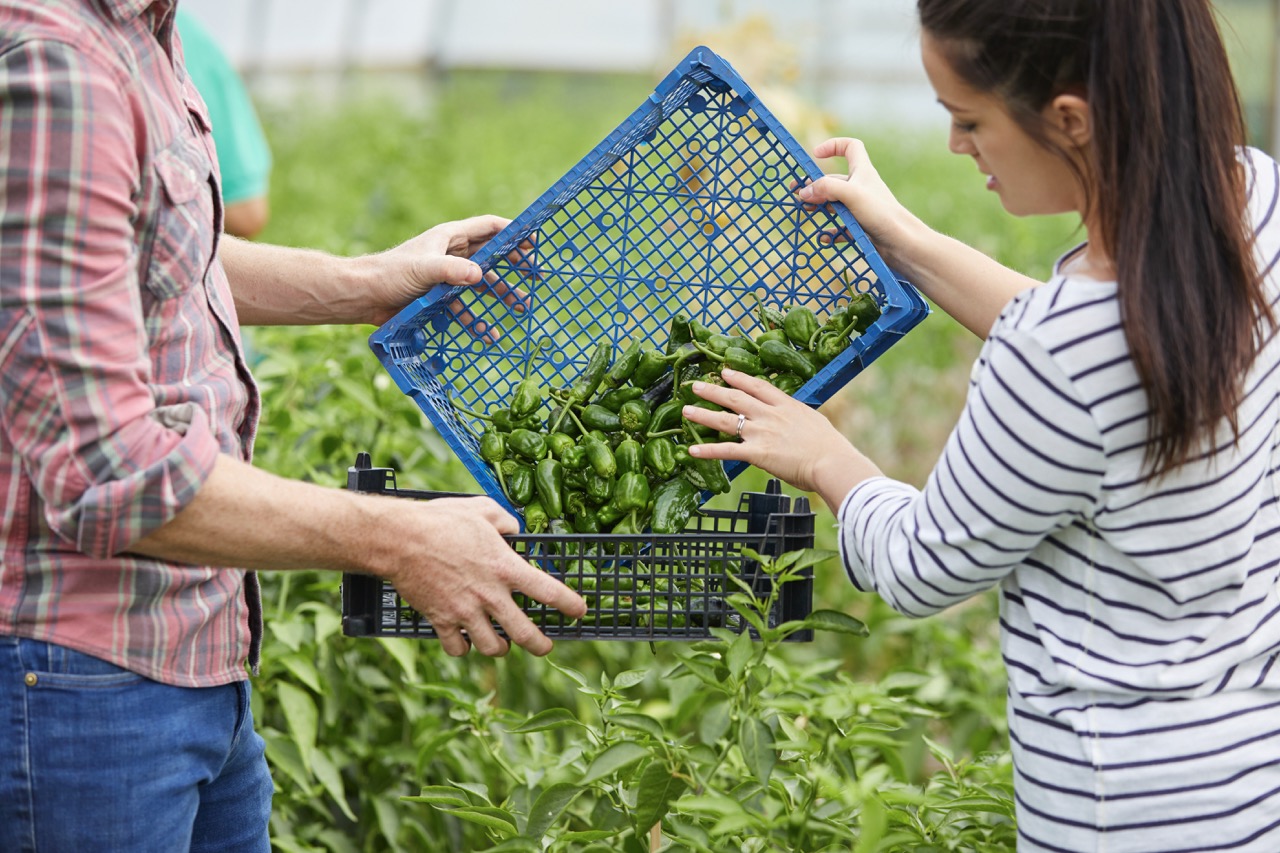




The push towards more sustainable agricultural practices has become increasingly vital in ensuring food security and environmental preservation. One innovative approach gaining traction is crop sharing, a model that not only promotes organic farming but also fosters community cooperation and resilience among farmers. By understanding how crop sharing works, its benefits, and effective strategies for implementation, we can harness this model to encourage broader adoption of organic practices in agriculture.
Understanding Crop Sharing and Its Benefits for Farmers
Crop sharing is a collaborative agricultural practice where farmers share resources, labor, and the produce from their crops. This model can significantly reduce individual financial burdens by promoting resource pooling, which allows farmers to access necessary tools and expertise without the prohibitive costs associated with traditional farming methods. Furthermore, crop sharing can facilitate knowledge exchange among farmers, enhancing their understanding of organic practices and reducing reliance on chemical fertilizers and pesticides.
The benefits of crop sharing extend beyond financial savings. By working together, farmers can increase their production diversity, which is a key component of organic farming. This not only boosts soil health and biodiversity but also mitigates risks associated with monoculture, such as pest outbreaks or crop failures. Additionally, collective marketing efforts can empower farmers to achieve better prices for their produce, thus improving their economic resilience.
Crop sharing also promotes social cohesion among farmers, fostering a sense of community that can lead to collaborative problem-solving and innovation in farming practices. As farmers share their experiences and challenges, they create a supportive environment where organic techniques can thrive, ultimately contributing to a more sustainable agricultural landscape. This community-centric approach is vital for nurturing the next generation of farmers who are informed about and committed to organic methods.
Promoting Sustainable Practices Through Cooperative Models
Cooperative farming models have emerged as powerful vehicles for promoting sustainable practices, including organic farming. These cooperatives enable farmers to collectively invest in organic certification processes, which can be a significant hurdle for individual farmers due to high costs and administrative burdens. By sharing these expenses, cooperative members can access organic markets that they might otherwise find unattainable on their own.
Moreover, cooperatives often provide educational resources and training on organic farming techniques. This knowledge transfer is critical in helping farmers transition from conventional to organic methods, as it equips them with information on practices like crop rotation, composting, and integrated pest management. By leveraging the collective expertise of their peers, farmers can adopt sustainable practices more confidently and effectively, leading to improved yields and healthier ecosystems.
Additionally, cooperatives can enhance market access for organic produce through collective branding and marketing strategies. By presenting themselves as a unified group, farmers can attract more attention from consumers who prioritize organic products, thus driving demand and increasing their income potential. This market approach not only supports individual farmers but also strengthens the local economy, reinforcing the importance of sustainable agriculture in community development.
Key Strategies to Implement Crop Sharing in Agriculture
To effectively implement crop sharing in agriculture, establishing clear agreements among participating farmers is essential. These agreements should define the roles and responsibilities of each member, as well as the logistics of resource sharing, labor allocation, and profit distribution. Open communication is critical to prevent misunderstandings and foster a collaborative spirit that is vital for the success of any cooperative endeavor.
Another strategy involves leveraging technology to facilitate crop sharing arrangements. Digital platforms can streamline communication and coordination among farmers, making it easier to plan planting schedules, share resources, and track crop performance. These tools can also serve as a marketplace for surplus produce, allowing farmers to sell excess crops directly to consumers or other businesses, thus reducing waste and increasing profitability.
Finally, building partnerships with local agricultural organizations, NGOs, and government agencies can provide valuable support for crop-sharing initiatives. These entities can offer resources such as training programs, funding opportunities, and technical assistance, which can enhance the capacity of farmer cooperatives. Engaging with stakeholders in broader agricultural networks can also create opportunities for advocacy and policy changes that support sustainable farming practices at a systemic level.
Measuring the Impact of Crop Sharing on Organic Farming
Measuring the impact of crop sharing on organic farming involves a multifaceted approach that considers both quantitative and qualitative outcomes. On a quantitative level, metrics such as crop yields, income levels, and the number of acres converted to organic practices can provide concrete evidence of the benefits of crop sharing. Tracking these indicators over time allows for a comprehensive assessment of how cooperative farming influences the transition to organic agriculture.
Qualitatively, surveys and interviews with participating farmers can offer insights into their experiences with crop sharing. Feedback on the challenges and successes faced during the process can shed light on the effectiveness of various strategies and highlight areas for improvement. Understanding the personal narratives behind the numbers is crucial for capturing the true impact of crop sharing on individual farmers and their communities.
Furthermore, examining the broader environmental effects of crop sharing can provide a holistic view of its contributions to organic farming. This includes monitoring soil health, biodiversity, and pest populations in cooperative farming areas. By aligning agricultural practices with ecological outcomes, we can better evaluate how crop sharing not only supports farmers economically but also contributes to the sustainability of the agricultural ecosystem as a whole.
Crop sharing presents a promising avenue for promoting organic farming practices among agricultural communities. By understanding its benefits, implementing effective strategies, and measuring its impact, farmers can embrace a more sustainable future. As the world grapples with the challenges of climate change and food security, initiatives like crop sharing can play a crucial role in building resilient agricultural systems that prioritize both ecological health and economic viability.