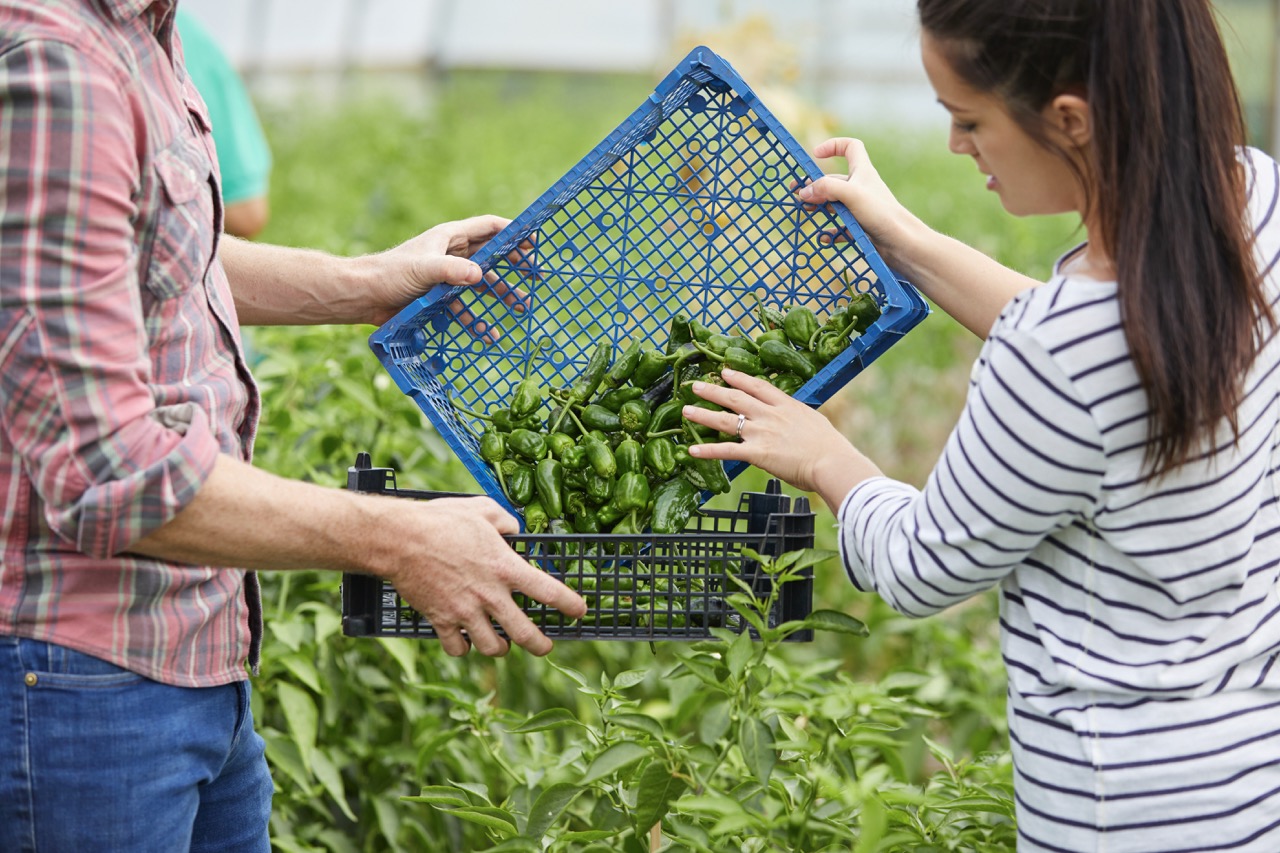





Sharecropping is often viewed through the lens of its historical implications, particularly in the context of post-Civil War America, where it served as a means for subsistence for many impoverished farmers. However, as the paradigm of labor continues to evolve, the concept of sharecropping can be reimagined to promote ethical labor practices in various industries today. By adapting the sharecropping model to modern contexts, stakeholders can ensure that labor rights are respected while promoting sustainable economic practices. This article explores how sharecropping can be utilized to foster ethical labor practices, aiming to create a balanced and equitable framework for all parties involved.
Understanding Sharecropping: A Historical Perspective on Labor
Historically, sharecropping emerged as a compromise between landowners and newly freed African American laborers after the Civil War. Under this system, sharecroppers would work the land and, in return, receive a portion of the crop yield. However, this arrangement often led to exploitation, as sharecroppers found themselves in perpetual debt to landowners, creating a cycle of poverty. The sharecropping system reflected broader social inequalities, where the lack of access to resources, education, and fair wages perpetuated disenfranchisement.
While sharecropping has largely fallen out of favor in its traditional form, its remnants can still be seen in various agricultural and labor practices today. The historical context of sharecropping serves as a cautionary tale, reminding us of the perils when labor is undervalued and exploited. However, it also provides a framework for understanding the importance of equitable agreements. By analyzing the failures and successes of the past, we can extract valuable lessons that inform modern labor practices.
In contemporary society, sharecropping can be seen as a metaphor for partnerships in labor, where collaboration and mutual benefit are emphasized. The need for ethical practices has become increasingly urgent amidst globalization and the gig economy, which can often mirror the inequities of historical labor systems. By revisiting the foundational principles of sharecropping, we can develop a model that champions fair labor practices while fostering economic growth and community resilience.
Ethical Labor Practices: The Sharecropping Model Reimagined
Reimagining sharecropping within an ethical framework requires a commitment to transparency and fairness in labor agreements. This new model emphasizes the importance of equitable profit-sharing arrangements between workers and employers. By ensuring that workers receive a fair percentage of the revenue generated from their labor, companies can foster a sense of ownership and accountability, motivating them to contribute positively to their work environments.
Additionally, ethical sharecropping should prioritize worker rights, including access to benefits, education, and skill development. This approach not only improves the living conditions of the labor force but also enhances productivity and innovation within the company. By investing in workers’ growth, organizations can create a sustainable labor ecosystem that ultimately benefits all stakeholders. In this reimagined model, sharing resources and profits becomes a way to uplift communities, rather than exploit them.
Moreover, the ethical sharecropping model advocates for the establishment of labor unions and collective bargaining. Workers should have a voice in their agreements, ensuring that their needs and rights are represented. This collaborative approach cultivates a culture of respect and mutual benefit, where labor is recognized as a valuable contribution rather than a commodity to be exploited. By placing ethical considerations at the forefront of labor practices, we can create a more just and equitable work environment.
Balancing Benefits: Fair Agreements in Sharecropping
To implement an effective sharecropping model that promotes ethical labor practices, it is crucial to develop fair agreements that balance benefits for both workers and employers. This begins with clear communication regarding expectations, responsibilities, and compensation. By engaging all parties in the negotiation process, both laborers and employers can ensure that agreements reflect their shared interests and goals, fostering a sense of partnership rather than hierarchy.
In addition, it is essential to establish benchmarks for measuring the success of these agreements. Regular assessments can help ensure that both parties are meeting their obligations and can address any discrepancies that arise. By creating a feedback loop, stakeholders can adapt their agreements to changing circumstances, ensuring that they remain fair and beneficial over time. This approach reduces the likelihood of exploitation and builds trust between workers and employers.
Furthermore, educating all parties about their rights and responsibilities is vital in creating a balanced sharecropping environment. Awareness initiatives can empower laborers to advocate for themselves while providing employers with insights on best practices for ethical labor management. By fostering an educated workforce, we can create a culture where fair agreements are not only expected but celebrated, enhancing overall job satisfaction and productivity.
Implementing Change: Steps Toward Ethical Sharecropping Practices
Implementing ethical sharecropping practices requires a coordinated effort from all stakeholders, including policymakers, community leaders, and businesses. One of the first steps is to create a framework for ethical labor practices that outlines principles of fairness, transparency, and accountability. This framework can serve as a guide for organizations looking to adopt sharecropping models that prioritize ethical considerations.
Next, it is essential to involve local communities in the development of these agreements. Input from workers, community organizations, and local governments can provide valuable perspectives that contribute to more equitable outcomes. Workshops and forums can facilitate discussions on best practices for sharecropping, allowing stakeholders to learn from one another and adapt successful strategies to their unique contexts. Engaging communities in the implementation process not only builds buy-in but also fosters a sense of ownership over labor practices.
Lastly, ongoing monitoring and evaluation are crucial to ensure that ethical sharecropping practices are upheld. This may involve third-party audits or the establishment of oversight committees to assess compliance with ethical standards. By holding organizations accountable, we can ensure that the sharecropping model evolves to meet the needs of the labor force and maintains its commitment to ethical practices. Through these steps, we can create a robust system that promotes fair labor agreements and enhances the dignity of work.
The reimagining of sharecropping as a tool for promoting ethical labor practices is both timely and necessary. By learning from history and adapting its principles to modern contexts, stakeholders can develop frameworks that champion fairness, transparency, and mutual benefit. Ethical sharecropping not only addresses the needs of workers but also enhances the sustainability and resilience of businesses. As we move forward, it is imperative that we prioritize ethical considerations in labor practices, ensuring that all workers are treated with dignity and respect and fostering a brighter future for labor relations.