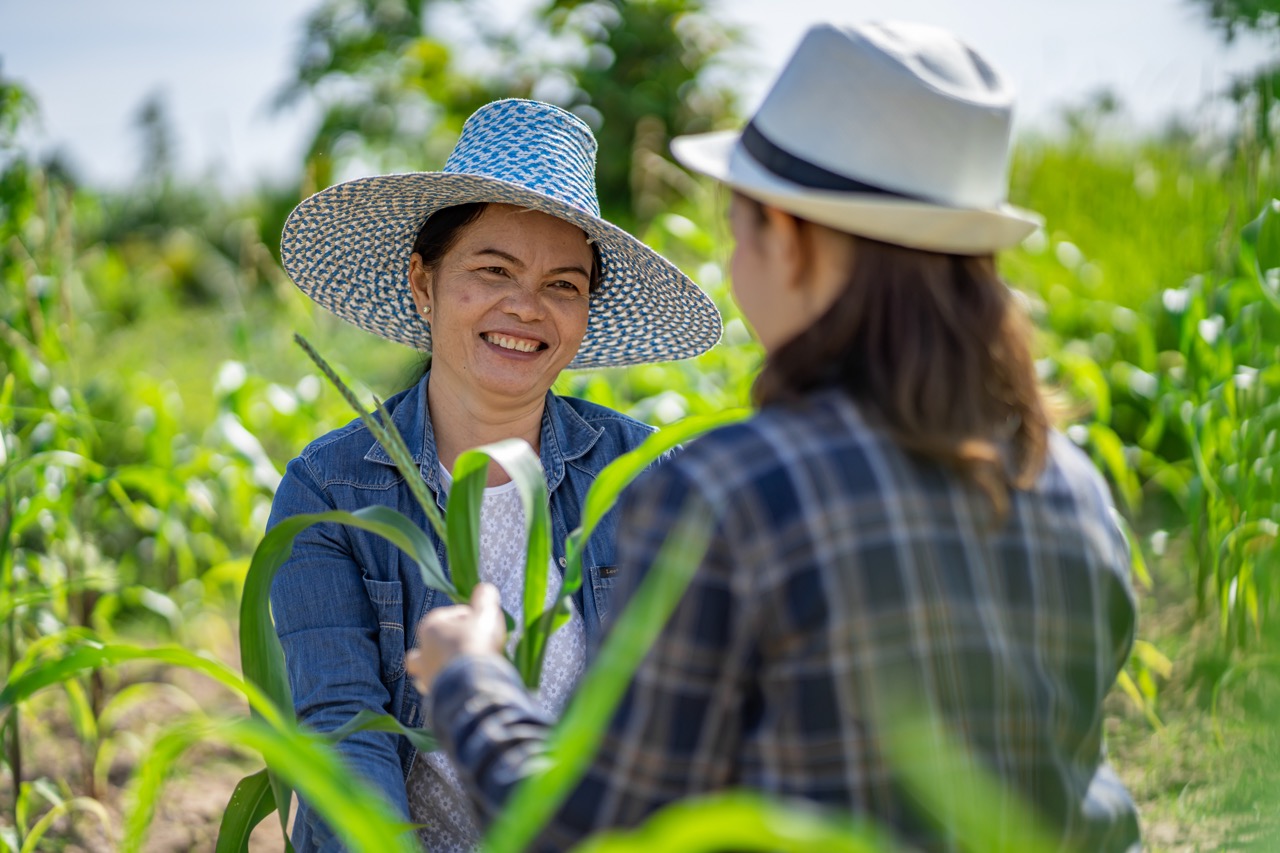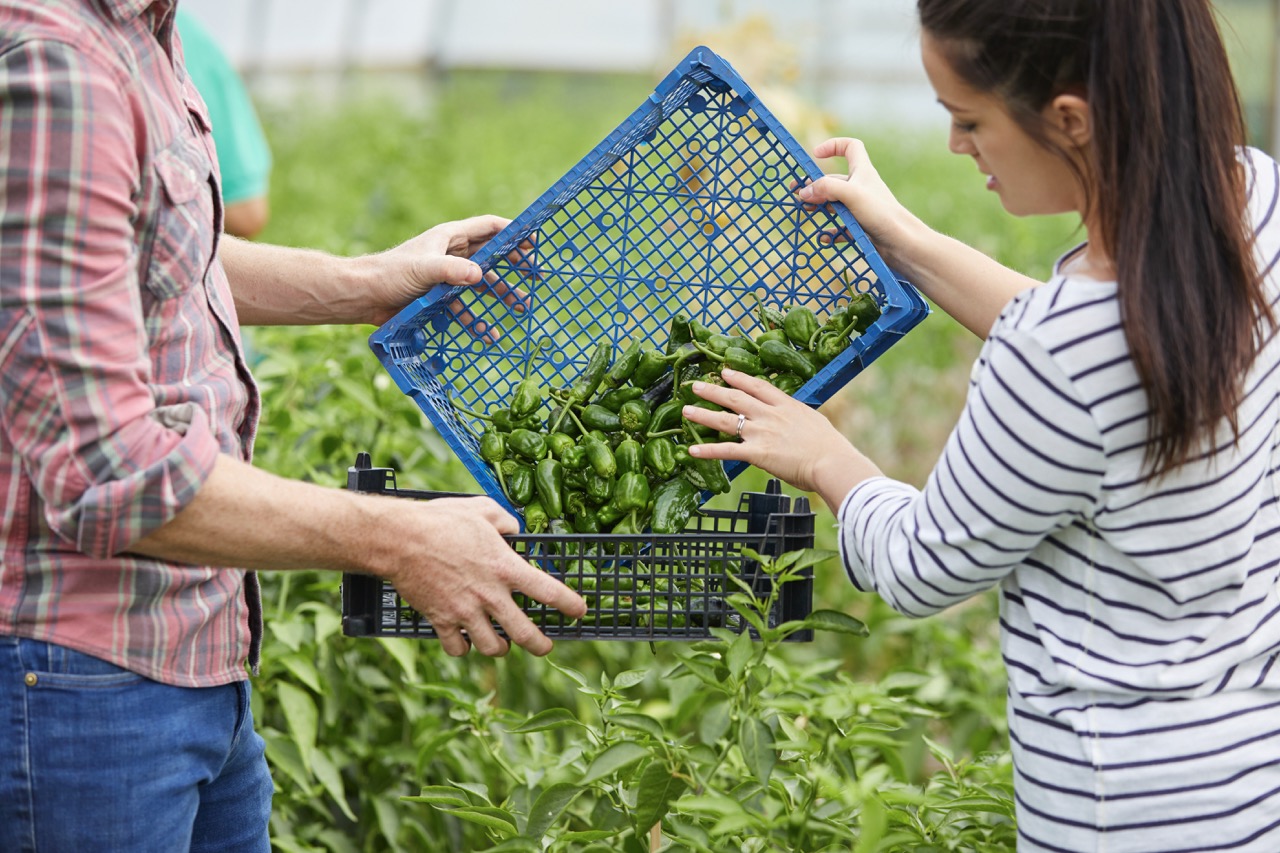




As modern agriculture increasingly leans towards industrialization and intensive farming methods, the significance of traditional farming practices has come under renewed scrutiny. These time-honored techniques, passed down through generations, offer numerous benefits that go beyond mere food production. By preserving traditional farming methods, communities can maintain their cultural heritage, enhance environmental sustainability, bolster local economies, and improve food security. In this article, we explore the multifaceted advantages of keeping traditional farming alive in contemporary society.
1. Understanding Traditional Farming: A Cultural Heritage Preserved
Traditional farming practices are not merely agricultural techniques; they are a vital aspect of cultural identity for many communities worldwide. These practices reflect a deep understanding of local ecosystems, seasonal cycles, and the intricate relationship between humans and nature. They encapsulate a wealth of indigenous knowledge, often rooted in centuries of experience and adaptation. By preserving these methods, communities maintain their cultural heritage, fostering a sense of belonging and continuity across generations.
Moreover, traditional farming often incorporates rituals, festivals, and community gatherings that strengthen social bonds among farmers and their families. These cultural practices emphasize the importance of communal effort and cooperation, creating social networks that can enhance resource sharing and mutual support. In this way, the preservation of traditional farming is not just about agricultural practices; it is about sustaining the social fabric and identity of communities.
Finally, the preservation of traditional farming practices allows for the documentation and transmission of indigenous knowledge. This knowledge encompasses not only agricultural techniques but also biodiversity conservation and holistic resource management strategies. By fostering an appreciation for these practices, we can promote greater respect for cultural diversity and the myriad ways in which different communities interact with their environments.
2. Environmental Advantages of Sustainable Agricultural Techniques
Traditional farming methods often prioritize sustainability, using techniques that are in harmony with local ecosystems. These practices frequently rely on organic inputs, crop rotation, and intercropping, which enhance soil fertility and biodiversity. As a result, traditional farmers can maintain productive land without the excessive use of chemical fertilizers and pesticides that characterize industrial agriculture. This ecological approach not only preserves soil health but also protects water quality and reduces the risk of pollutants entering local waterways.
Additionally, traditional farming promotes the conservation of native plant and animal species. By cultivating a diverse range of crops, farmers contribute to the maintenance of genetic diversity, which is crucial for adapting to climate change and pests. This diversity enhances the resilience of agricultural systems, allowing communities to better withstand environmental shocks and fluctuations in market demand. As climate change poses unprecedented challenges to food production, traditional practices that emphasize biodiversity become increasingly relevant.
Finally, traditional farming systems often incorporate practices such as agroforestry and permaculture, which serve to enhance ecosystem services. These systems improve soil structure, capture rainwater, and promote carbon sequestration, all of which contribute to mitigating the impacts of climate change. By preserving and promoting traditional farming, we can leverage these environmentally friendly practices to create a more sustainable food system that benefits both current and future generations.
3. Strengthening Local Economies Through Traditional Practices
Traditional farming plays a crucial role in bolstering local economies by fostering self-reliance and reducing dependency on industrial agriculture. By encouraging local production and consumption, communities can retain more economic benefits within their regions. Farmers practicing traditional methods often utilize local markets, which helps to circulate money within the community and supports small businesses, artisan producers, and local food systems.
Moreover, traditional farming frequently emphasizes value-added products, allowing farmers to diversify their income streams. By engaging in practices such as processing, preserving, and packaging local crops, farmers can create niche markets that cater to consumer preferences for organic, artisanal, and locally sourced foods. This not only enhances the stability of farmers’ incomes but also promotes entrepreneurship and innovation within the community.
Finally, traditional farming practices can improve food sovereignty, enabling communities to have greater control over their food systems. By prioritizing local crops and production methods, communities can reduce their reliance on imported foods and global supply chains, which can be vulnerable to external shocks. This empowerment contributes to economic resilience, allowing communities to adapt to changing circumstances while preserving their agricultural heritage.
4. Enhancing Food Security by Reviving Native Crops and Methods
The revival of traditional farming practices is vital for enhancing food security, particularly in regions facing food scarcity and malnutrition. Traditional farmers often cultivate native crops that are well-adapted to local climates and soils, which can provide reliable sources of nutrition for their communities. By focusing on these indigenous varieties, communities can access a diverse range of nutritious foods while preserving their agricultural biodiversity.
Furthermore, the use of traditional farming methods can enhance soil fertility and resilience, contributing to more sustainable yields. Techniques such as crop rotation, intercropping, and organic farming practices help to maintain soil health and prevent erosion, ensuring that land remains productive over time. By investing in these methods, communities can improve their food production capabilities, reducing the vulnerability to food shortages and price fluctuations.
Finally, traditional agricultural practices often involve community participation and knowledge-sharing, which can enhance food distribution systems. By prioritizing local food networks, communities can improve access to fresh, nutritious foods while supporting local farmers. This grassroots approach not only strengthens community ties but also fosters a more equitable food system, contributing to long-term food security.
In conclusion, the importance of preserving traditional farming practices cannot be overstated. These techniques serve as a living repository of cultural heritage, providing a connection to the past while offering solutions for sustainable agriculture in the present. By recognizing the environmental benefits, economic opportunities, and contributions to food security that traditional farming provides, we can champion these methods as essential components of a resilient and sustainable food system. As we face increasing challenges such as climate change and global food insecurity, the preservation of traditional agricultural practices stands as a testament to the wisdom of our ancestors and a pathway to a more sustainable future.