

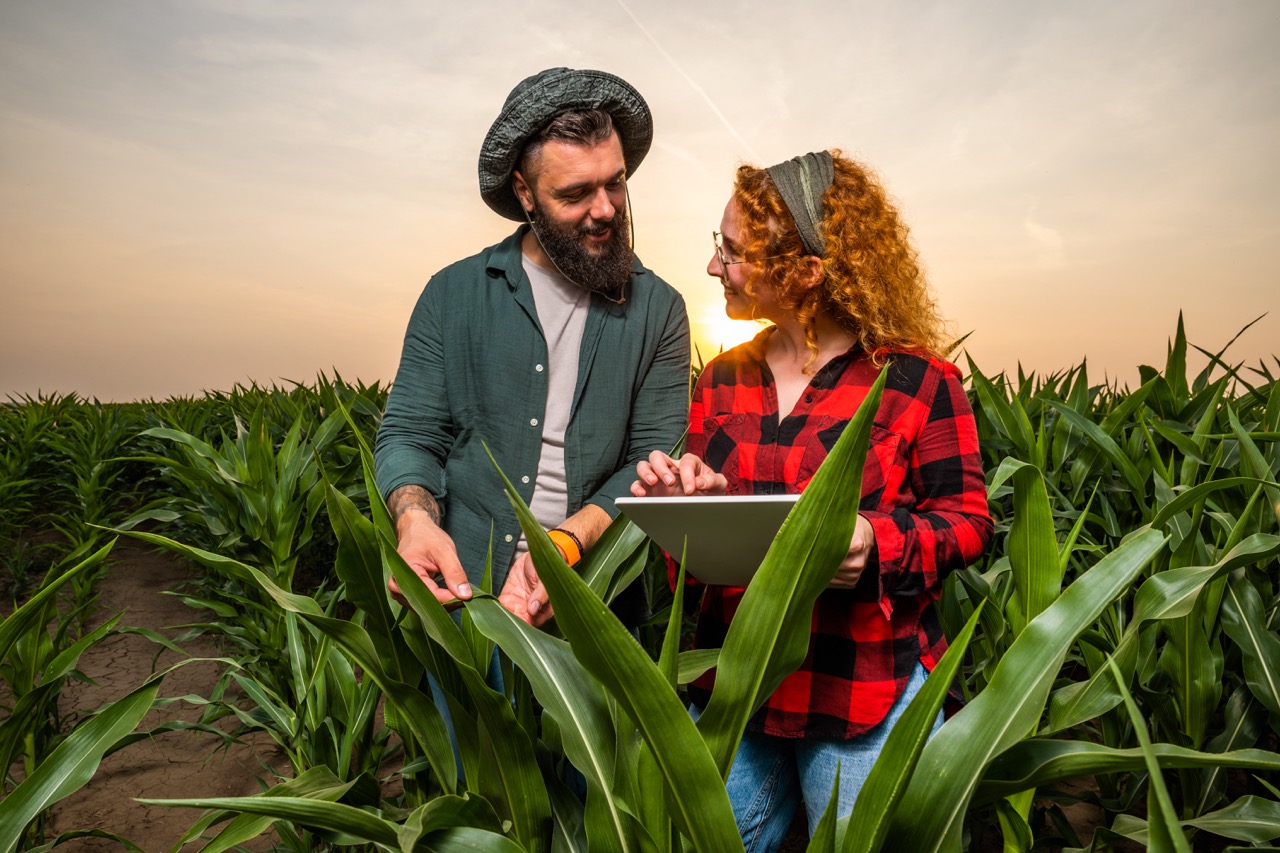
As the conversation around climate change and environmental sustainability gains momentum, organic farming has emerged as a pivotal solution in the agricultural sector. This method of farming not only prioritizes the health of the environment but also emphasizes the well-being of consumers. With an increasing acknowledgment of the detrimental impacts of conventional farming practices, the future of organic farming looks promising. This article delves into the trends and predictions shaping the landscape of organic agriculture, exploring the shift towards sustainable practices, technological innovations, consumer demand, and the role of policymaking.
The Shift Towards Sustainable Practices in Agriculture
The agricultural sector is undergoing a significant transformation as more farmers and agricultural businesses recognize the importance of sustainable practices. Traditional farming methods often rely heavily on chemical fertilizers and pesticides, which can lead to soil degradation, water contamination, and a decline in biodiversity. In contrast, organic farming focuses on natural processes, utilizing crop rotation, organic fertilizers, and integrated pest management. This shift not only benefits the environment but also improves the long-term viability of farming operations.
As climate change continues to pose a threat to global food security, the demand for sustainable agricultural practices is more urgent than ever. Farmers are increasingly adopting organic methods to combat soil erosion, conserve water, and reduce greenhouse gas emissions. Research indicates that organic farming can sequester more carbon in the soil compared to conventional farming, making it an effective strategy for mitigating climate change. This shift towards sustainability is not just a trend but a necessary evolution in the face of environmental challenges.
Moreover, educational initiatives and community support are fostering a culture of sustainability in agriculture. Organizations dedicated to training farmers in organic practices and providing access to resources are emerging worldwide. This grassroots movement is pivotal in encouraging farmers to transition to organic methods, ensuring that sustainable farming becomes a standard rather than an exception.
Innovations in Organic Farming: Technologies on the Rise
Technological advancements are revolutionizing the organic farming landscape, enabling farmers to enhance productivity while adhering to organic principles. One significant innovation is precision farming, which utilizes data analytics and IoT devices to monitor crop health, soil conditions, and weather patterns in real time. By leveraging these technologies, farmers can make informed decisions about irrigation, fertilization, and pest control, optimizing yields without compromising their organic certification.
Biotechnology is also making strides in organic farming, with developments in organic-approved biopesticides and biofertilizers. These products are designed to enhance crop resilience and promote soil health, providing effective alternatives to synthetic chemicals. Furthermore, advancements in breeding techniques, such as marker-assisted selection, are aiding in the development of organic crops that are resistant to pests and diseases, ensuring that farmers can maintain high yields while adhering to organic standards.
Another exciting area of innovation is the rise of vertical farming and hydroponics, which allow for organic cultivation in urban environments. These systems utilize less water and space compared to traditional farming, making them ideal for densely populated areas. As cities seek to enhance food security and reduce their carbon footprints, vertical farming presents a viable solution that aligns with the principles of organic farming.
Consumer Demand: Driving Forces Behind Organic Growth
The surge in consumer awareness regarding health, nutrition, and environmental sustainability has significantly driven the growth of organic farming. Today’s consumers are more informed than ever about the impacts of food production on their health and the planet. This has resulted in a notable increase in demand for organic products, which are perceived as healthier and safer alternatives to conventional options. Organic food sales have consistently outpaced those of conventional foods, indicating a shifting preference among consumers.
Moreover, the quest for transparency in food sourcing has prompted consumers to seek out organic products, which typically come with stricter labeling requirements. This transparency fosters trust between producers and consumers, allowing buyers to make more informed choices regarding their food. As food fraud and misleading marketing practices become more prevalent, consumers are turning to organic products as a reliable choice, further boosting the market.
Social media and digital platforms have also played a crucial role in shaping consumer preferences, providing a space for discussions around nutrition and environmental ethics. Influencers and health advocates promote organic lifestyles, amplifying the demand for organic products. As younger generations prioritize sustainable living, the future of organic farming looks increasingly bright, as they are likely to continue championing organic options for years to come.
Policymaking and Its Role in Shaping Organic Farming’s Future
Policymaking is a critical factor in determining the trajectory of organic farming. Governments around the world are increasingly recognizing the importance of supporting organic agriculture through subsidies, grants, and research funding. These initiatives not only encourage farmers to transition to organic practices but also facilitate the development of infrastructure needed for organic supply chains. This support is essential for ensuring the long-term sustainability of organic farming.
Additionally, regulatory frameworks are evolving to keep pace with the growing organic market. Policymakers are working to establish clearer standards and certifications for organic products, making it easier for consumers to identify genuine organic offerings. By creating a robust regulatory environment, governments can enhance consumer confidence in organic products, further driving demand and supporting farmers who comply with these standards.
International cooperation plays a significant role as well, with countries sharing best practices and research on organic farming methods. Organizations like the International Federation of Organic Agriculture Movements (IFOAM) advocate for policies that promote organic agriculture globally. By aligning policy goals with sustainable agriculture practices, the future of organic farming can be safeguarded, ensuring that it contributes positively to environmental health and food security.
The future of organic farming appears bright as a convergence of sustainable practices, technological innovations, rising consumer demand, and supportive policymaking creates a fertile ground for growth. As society continues to grapple with the challenges posed by climate change and the need for healthier food systems, organic farming stands out as a viable solution. By investing in organic agriculture and prioritizing sustainability, we can pave the way for a resilient and prosperous agricultural future that benefits consumers, farmers, and the planet alike.