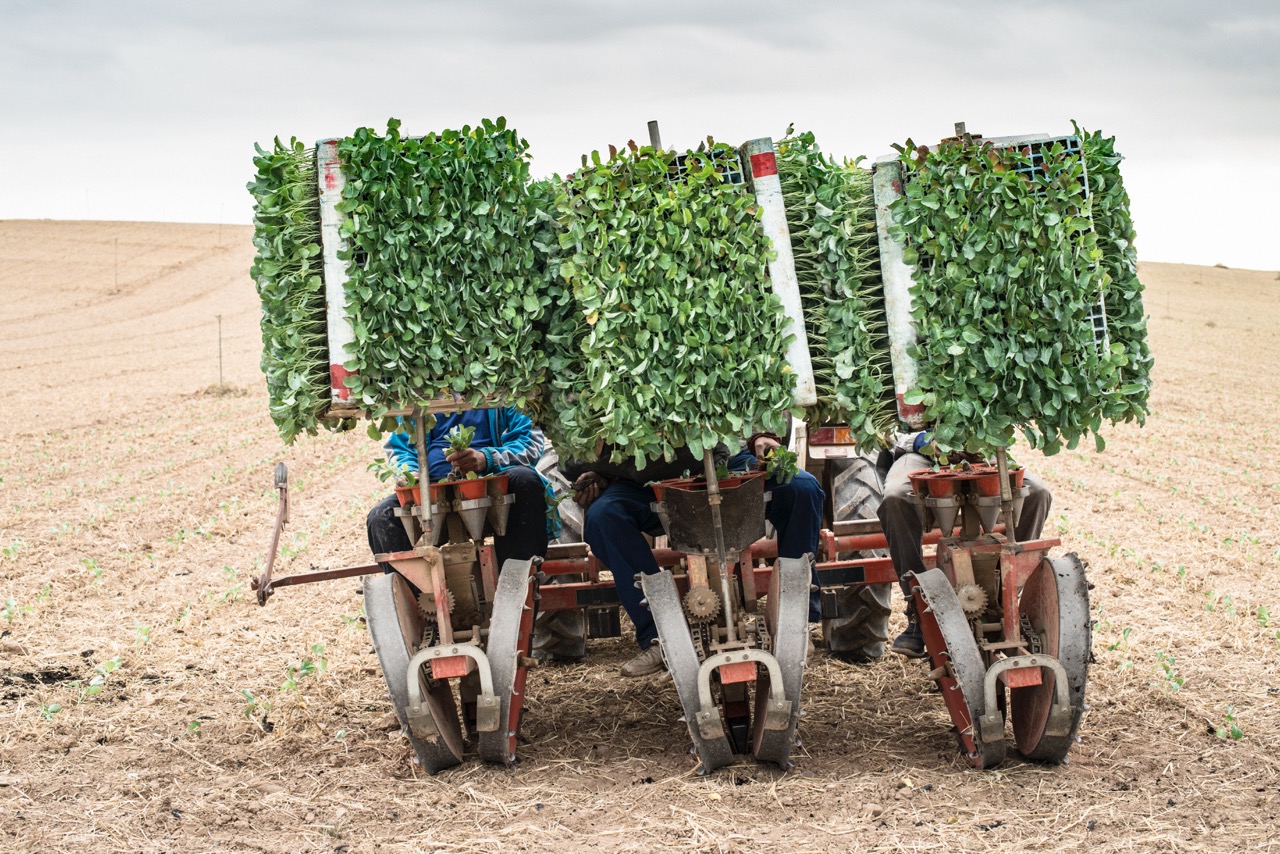





In recent years, regenerative agriculture has emerged as a groundbreaking approach to farming that seeks to improve the health of the land, enhance biodiversity, and combat climate change. Unlike conventional agricultural methods that often deplete soil health and contribute to environmental degradation, regenerative agriculture prioritizes the restoration and regeneration of ecosystems. As concerns over food security and climate resilience grow, understanding the principles, practices, and potential benefits of regenerative agriculture becomes increasingly crucial for farmers, policymakers, and consumers alike.
Understanding Regenerative Agriculture: A New Paradigm Shift
Regenerative agriculture represents a significant paradigm shift in how we approach food production and land management. At its core, this philosophy emphasizes a holistic understanding of agricultural systems, recognizing the interconnectivity of soil, water, plants, animals, and human communities. It challenges traditional practices that prioritize short-term yields over long-term sustainability, advocating for methods that enhance the regenerative capacity of ecosystems. This approach not only seeks to minimize harm but also actively works to restore and revitalize the land.
The rise of regenerative agriculture is partly fueled by a growing awareness of the detrimental effects of industrial farming practices on soil health, biodiversity, and climate stability. As climate change exacerbates these issues, farmers and researchers are turning to regenerative methods as a viable alternative. The rise of consumer demand for sustainably sourced food further drives this movement, encouraging farmers to adopt practices that align with environmental stewardship and social responsibility.
In essence, regenerative agriculture is more than just a set of practices; it represents a holistic worldview that values ecological balance and sustainable resource management. By engaging in this paradigm shift, farmers can contribute to a more resilient food system that addresses the complexities of modern agriculture and environmental challenges.
Key Principles and Practices of Regenerative Farming
The foundation of regenerative agriculture lies in several key principles that guide its practices. First, soil health is paramount; regenerating soil organic matter through techniques like cover cropping, reduced tillage, and composting is essential to build resilient ecosystems. Healthy soil not only supports plant growth but also acts as a carbon sink, helping to sequester greenhouse gases. Furthermore, fostering biodiversity through crop rotation and polyculture enhances ecological balance and pest resilience, leading to more sustainable farming outcomes.
Another defining principle of regenerative agriculture is the emphasis on holistic management of livestock. Integrating livestock into farming systems can improve soil health and nutrient cycling when appropriately managed. Techniques such as rotational grazing allow animals to naturally fertilize the land while promoting healthy pasture growth. Additionally, agroforestry systems that combine trees and crops can enhance biodiversity, improve water retention, and provide additional income streams for farmers.
Furthermore, regenerative agriculture encourages collaboration among farmers, researchers, and local communities to share knowledge and best practices. This community-driven approach empowers farmers to adapt regenerative methods to their specific contexts, fostering innovation and resilience. As farmers embrace these principles, they not only enhance their productivity but also contribute to the health of the broader ecosystem.
Benefits of Regenerative Agriculture for the Environment
The environmental benefits of regenerative agriculture are extensive and multifaceted. One of the most significant advantages is its role in mitigating climate change. By improving soil health and increasing organic matter, regenerative practices can sequester substantial amounts of carbon dioxide from the atmosphere, helping to combat global warming. Additionally, enhancing soil structure and fertility reduces the need for synthetic fertilizers and pesticides, leading to less chemical runoff and pollution of waterways.
Regenerative agriculture also promotes biodiversity, which is critical for resilient ecosystems. By cultivating a diverse range of crops and integrating livestock, regenerative farming practices create habitats for various species, contributing to the overall health of ecosystems. This biodiversity enhances pest control, pollination, and soil fertility, making agricultural systems more resilient to shocks and stresses, such as extreme weather events or pest outbreaks.
Moreover, regenerative agriculture improves water management by increasing soil permeability and reducing erosion. Healthier soils can hold more water, reducing the risk of flooding and drought. This not only benefits farmers by stabilizing yields but also helps safeguard local water supplies and aquatic ecosystems. As regenerative agriculture gains traction, its potential to create a more sustainable and resilient food system is becoming increasingly clear.
Challenges and Future Outlook for Regenerative Practices
Despite its numerous benefits, regenerative agriculture faces several challenges that must be addressed for its widespread adoption. One of the primary obstacles is the lack of infrastructure and support for farmers transitioning from conventional practices. Many farmers may be hesitant to change due to limited access to resources, technical knowledge, and financial assistance. Developing policies that support education, research, and investment in regenerative practices is essential for overcoming these barriers.
Another challenge lies in the market dynamics surrounding food production. While there is growing consumer demand for sustainably produced food, the current agricultural system often prioritizes quantity over quality. This creates an economic disadvantage for farmers practicing regenerative agriculture, as they may face higher costs and lower yields during the transition period. Establishing fair pricing mechanisms and market incentives will be crucial in ensuring the viability of regenerative practices and encouraging more farmers to make the shift.
Looking ahead, the future of regenerative agriculture appears promising, but it will require concerted effort from all stakeholders involved. Governments, businesses, and consumers must work together to create a supportive ecosystem for regenerative practices. With proper investment, education, and advocacy, regenerative agriculture has the potential to transform the agricultural landscape, fostering a more sustainable, resilient, and equitable food system for generations to come.
The rise of regenerative agriculture signals a critical shift towards more sustainable and responsible farming practices. By prioritizing soil health, biodiversity, and ecological balance, this approach offers a pathway to address pressing environmental challenges while ensuring food security. As awareness and understanding of regenerative agriculture grow, it is essential for farmers, policymakers, and consumers to collaborate in fostering a food system that not only feeds the population but also nurtures the planet. The success of this movement may very well define the future of agriculture in an era increasingly marked by climate change and ecological degradation.