

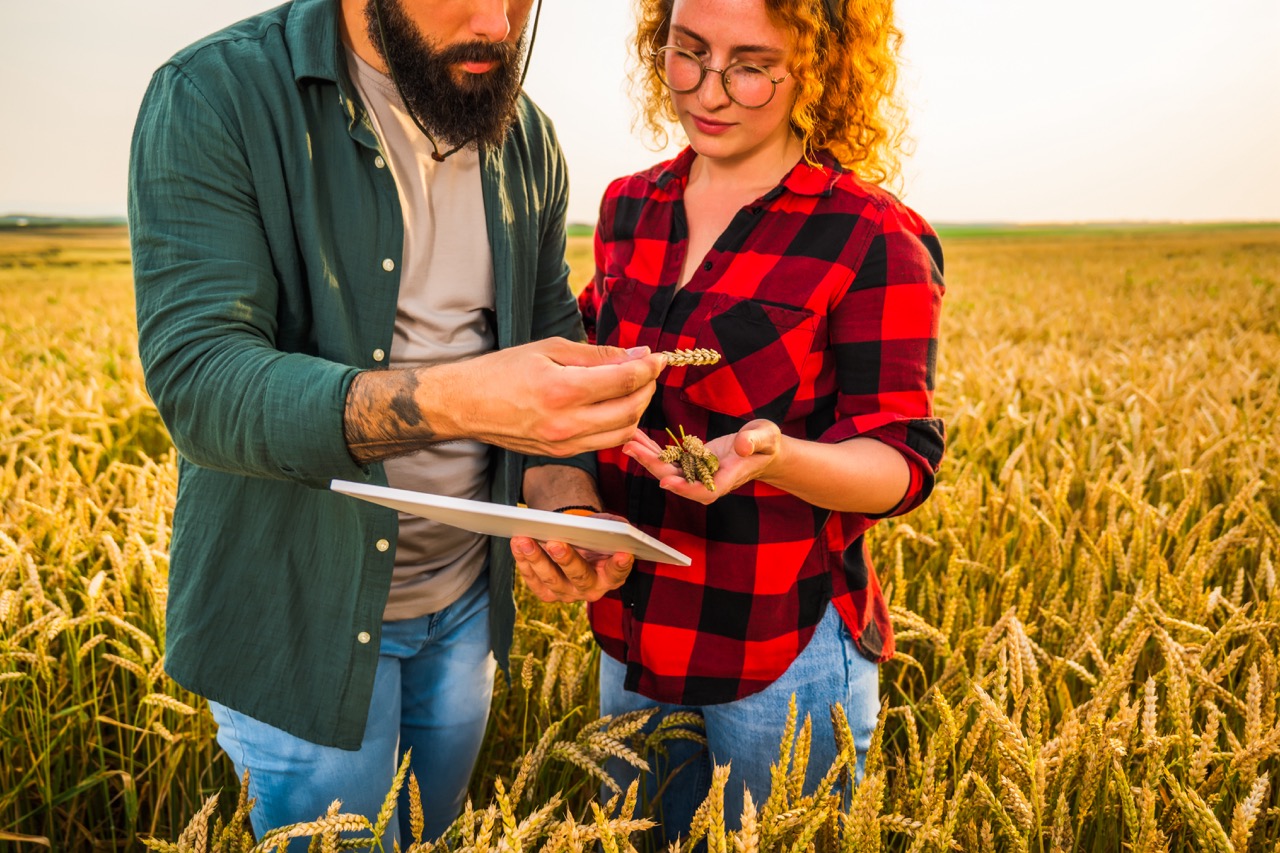
The agricultural landscape is undergoing a seismic shift, driven by the emergence of AgTech startups that are pushing the boundaries of innovation in modern farming. As the world grapples with the challenges of feeding a growing population amidst climate change and dwindling natural resources, these startups are stepping in to revolutionize how food is produced, managed, and distributed. This article explores the transformative role of AgTech startups, their contributions to sustainable practices, and their impact on the future of global farming trends.
AgTech Startups: Pioneering Innovations in Modern Farming
AgTech startups are at the forefront of integrating cutting-edge technology into the agricultural sector. By harnessing advancements in artificial intelligence, data analytics, and IoT (Internet of Things), these companies are creating sophisticated tools that empower farmers to optimize their operations. For instance, precision agriculture technologies enable farmers to monitor soil health, crop conditions, and weather patterns in real-time, leading to more informed decision-making and resource allocation.
Additionally, these startups are developing platforms that facilitate farm management, allowing farmers to track their productivity, manage inventories, and streamline supply chains directly from their devices. Startups such as Indigo Agriculture and CropX are leading the charge by providing solutions that not only enhance efficiency but also reduce the environmental footprint traditionally associated with farming practices. By pioneering these innovations, AgTech startups are not only improving yields but are also making farming operations more sustainable.
Moreover, the collaborative nature of AgTech startups fosters partnerships with universities, research institutions, and other stakeholders in the agricultural ecosystem. This synergy accelerates innovation and knowledge transfer, ensuring that farmers have access to the latest research and technological developments. As a result, AgTech startups are reshaping the agricultural landscape, making it more resilient, efficient, and adaptable to the challenges of the modern world.
Bridging the Gap: Technology Meets Traditional Agriculture
Despite the rapid technological advancements in agriculture, a significant portion of the global farming community still relies on traditional methods. AgTech startups recognize the importance of bridging this gap, providing solutions that are not only innovative but also accessible to smallholder farmers. By prioritizing user-friendly interfaces and affordable pricing models, these startups are ensuring that advanced agricultural technologies are within reach of those who need them most.
For instance, companies like Farmer’s Edge and AgriWebb are leveraging mobile applications to provide farmers with actionable insights based on localized data. This democratization of technology allows traditional farmers to adopt modern practices without completely overhauling their long-standing methods. By integrating new technologies with traditional practices, these startups are fostering a more inclusive agricultural ecosystem that empowers all farmers, regardless of their size or resources.
Additionally, education and training play a crucial role in this bridging process. Many AgTech startups are investing in educational initiatives that equip farmers with the knowledge needed to leverage new technologies effectively. Workshops, online courses, and community engagement programs are common strategies employed by these startups to build technological literacy within rural communities. This commitment to education not only enhances farmers’ capabilities but also cultivates a culture of innovation that can drive future agricultural advancements.
Sustainable Practices: How Startups Enhance Crop Yields
One of the most significant contributions of AgTech startups is their role in promoting sustainable agricultural practices. As environmental concerns grow, these startups are developing solutions that prioritize resource efficiency and environmental stewardship. Techniques such as regenerative agriculture, which focuses on enhancing soil health and biodiversity, are being championed by a range of AgTech innovators dedicated to sustainable farming.
For instance, startups like BioConsortia are utilizing microbial solutions to improve soil fertility and resilience, ultimately leading to increased crop yields with reduced chemical inputs. Similarly, vertical farming companies like AeroFarms are utilizing hydroponic systems to grow food in controlled environments, significantly decreasing the need for water and land. By embracing these sustainable practices, AgTech startups are not only enhancing productivity but are also contributing to the long-term viability of farming.
Moreover, the integration of data-driven insights into farming practices has allowed for more precise management of inputs like water, fertilizers, and pesticides. This shift towards precision agriculture minimizes waste and environmental impact while maximizing yield potential. Startups are also exploring alternative protein sources, such as lab-grown meat and insect farming, which could help reduce the carbon footprint of traditional livestock farming. In doing so, AgTech startups are paving the way for a more sustainable and resilient agricultural future.
The Future of Food: AgTech’s Impact on Global Farming Trends
As AgTech startups continue to innovate, their influence on global farming trends is becoming increasingly pronounced. The drive for food security, especially in the face of climate change, is prompting a rethinking of traditional agricultural practices. By leveraging technology, startups are leading the charge toward more resilient farming systems that can withstand the pressures of a changing climate and a growing population.
One of the most notable trends is the rise of urban agriculture, supported by vertical farming and hydroponics. Startups are recognizing the potential for local food production, reducing the need for long supply chains and contributing to food sovereignty in urban areas. This shift not only addresses food deserts but also encourages more sustainable consumption patterns by bringing production closer to the consumer.
Furthermore, as consumer preferences evolve towards transparency and sustainability, AgTech startups are developing solutions that enhance traceability in the food supply chain. Blockchain technology, for example, is being utilized to provide consumers with detailed information about the origin and journey of their food. This focus on transparency not only builds consumer trust but also encourages more responsible sourcing practices across the industry. As AgTech continues to evolve, its impact on global farming trends will undoubtedly shape the future of food production and consumption.
The role of AgTech startups in transforming farming is both profound and multi-faceted. By pioneering innovations, bridging technological gaps, promoting sustainable practices, and influencing global trends, these startups are reshaping how food is produced and consumed. As we look to the future, fostering collaboration between technology and traditional agriculture will be essential in ensuring a resilient and sustainable food system that can meet the challenges of tomorrow. Through their efforts, AgTech startups are not only enhancing agricultural productivity but also securing the future of food for generations to come.