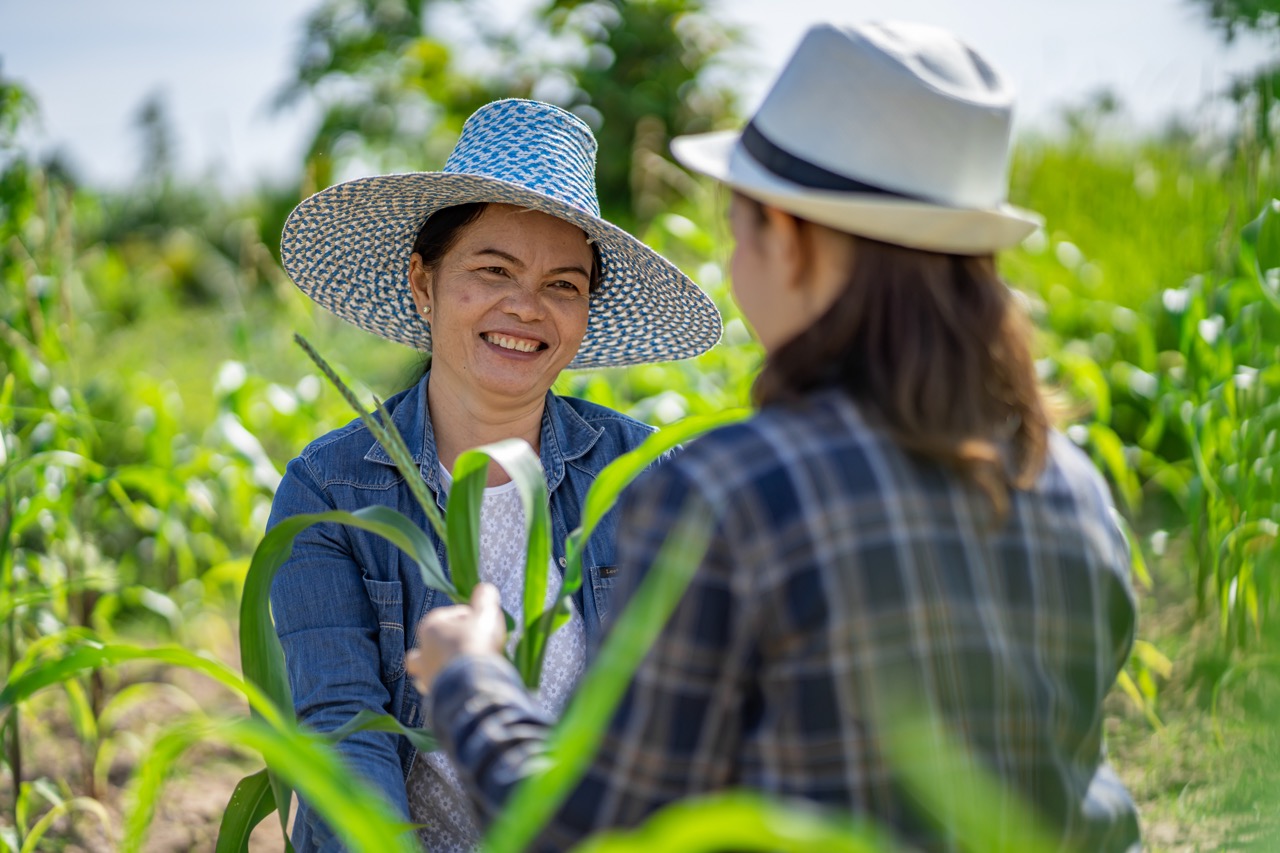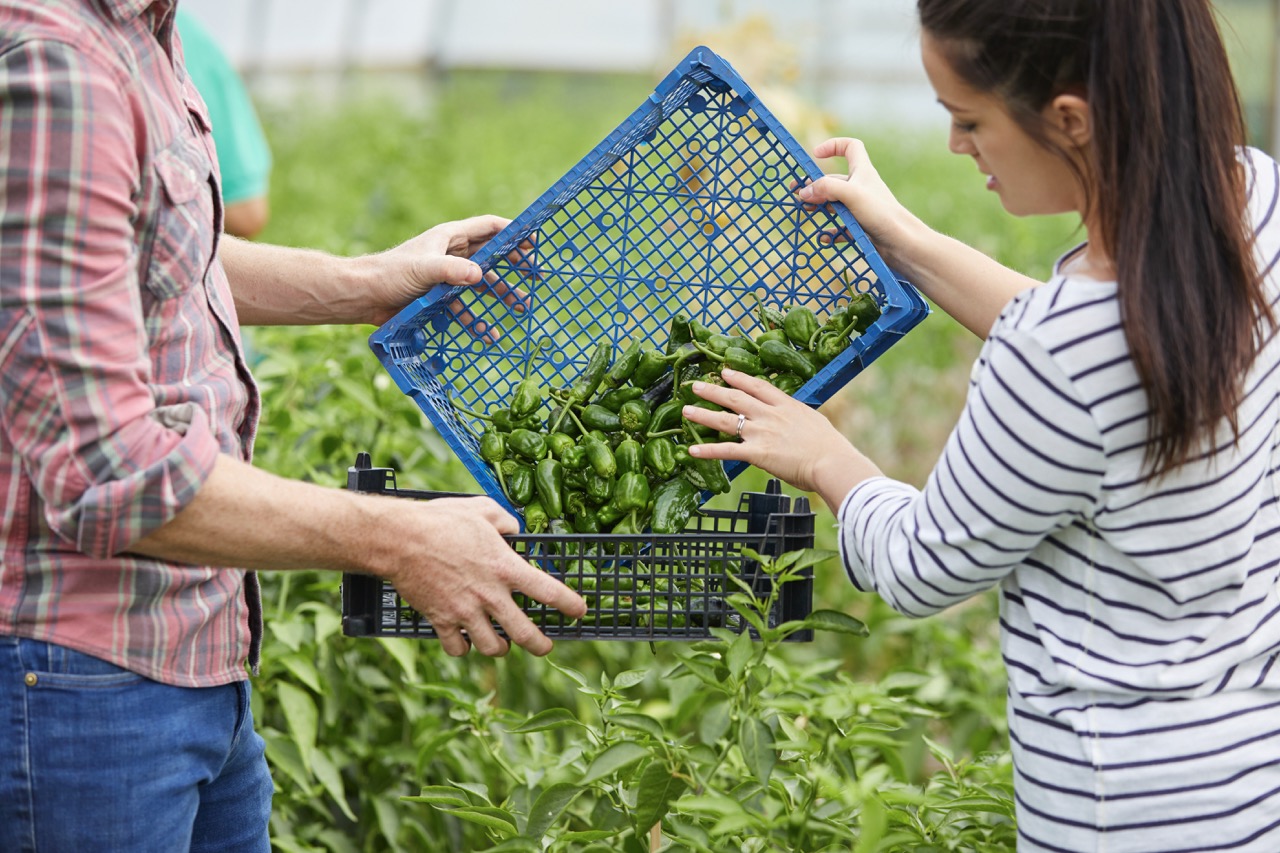


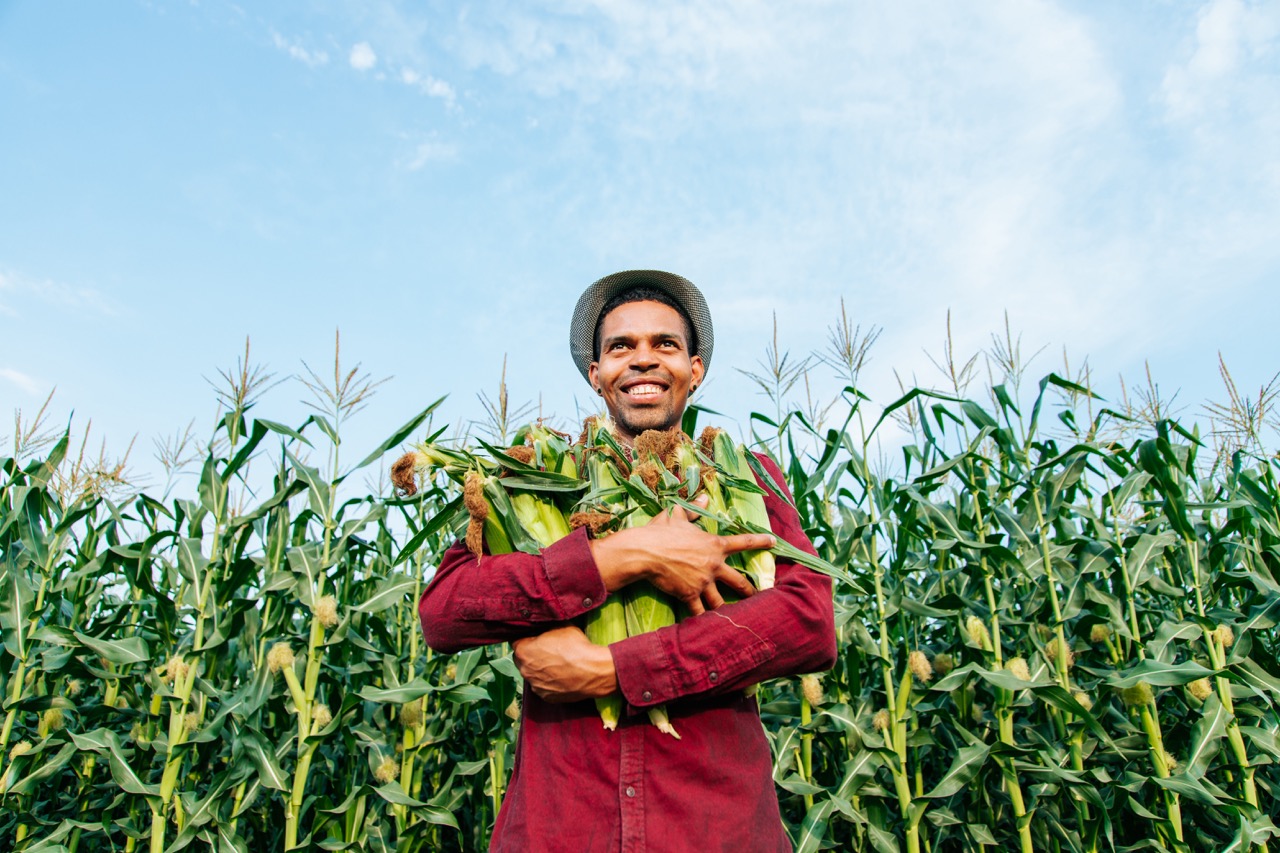
In the tapestry of modern agriculture, women have emerged as crucial players, shattering stereotypes and redefining the industry’s landscape. Historically marginalized, they are now stepping into leadership roles and driving innovation, ensuring that the agricultural sector is both sustainable and equitable. The contributions of women extend beyond mere participation; they are catalysts for change, transforming food systems and enhancing economic growth across the globe.
Breaking Barriers: Women Leading the Agricultural Revolution
Women have long been the backbone of agriculture, yet their roles were often relegated to informal labor without recognition or support. In contemporary contexts, they are increasingly occupying leadership positions within agricultural organizations and cooperatives. This paradigm shift is not only empowering women but also reshaping policies to be more inclusive, addressing the unique challenges they face. Programs aimed at enhancing women’s access to resources, training, and capital are gaining momentum, facilitating their entry into roles traditionally dominated by men.
Moreover, the rise of women in agriculture coincides with broader global movements advocating for gender equality. Initiatives spearheaded by organizations such as the Food and Agriculture Organization (FAO) emphasize the importance of female empowerment in achieving food security. By participating in decision-making processes, women are influencing agricultural policies that affect their communities and the environment. These leadership roles are instrumental in fostering innovative approaches to farming, which are essential for adapting to climate change and ensuring food sustainability.
In addition, women are harnessing technology and digital platforms to break barriers within the agricultural sector. The emergence of agritech has provided women farmers with tools to manage their farms more efficiently and access markets directly. Through mobile applications and online marketplaces, women are not only able to optimize their production but also gain fairer prices for their goods. As they increasingly assert their presence in leadership roles, women are proving that they are not just participants in the agricultural revolution; they are at the forefront of it.
Empowering Women: Key Players in Sustainable Farming Practices
Sustainable farming is at the heart of modern agricultural practices, and women are leading the charge toward more environmentally friendly approaches. As primary caregivers and stewards of their land, women farmers often prioritize sustainable practices that not only benefit their families but also contribute to the health of the planet. From organic farming to permaculture, women are introducing innovative techniques that enhance biodiversity, improve soil health, and reduce dependency on chemical inputs.
Programs focused on empowering women in agriculture have shown significant results in promoting sustainable practices. Training initiatives that equip women with knowledge about climate-smart agriculture are enabling them to adopt methods that mitigate the impact of climate change. For instance, women are increasingly implementing crop rotation, intercropping, and agroforestry, which preserve ecological balance while ensuring food security for their communities. These efforts are critical as the world grapples with the challenges posed by climate change and dwindling natural resources.
Furthermore, women’s leadership in community-supported agriculture initiatives fosters resilience within local food systems. By sourcing food directly from local producers, women are not only supporting their fellow farmers but also enhancing food sovereignty in their regions. This grassroots approach empowers communities to take control of their food systems, ensuring that they are sustainable and responsive to local needs. As women continue to play pivotal roles in sustainable farming, they are not only transforming their own lives but also influencing societal norms and expectations around agricultural practices.
Innovations and Impact: Female Farmers Transforming Food Systems
The impact of female farmers on food systems is profound, as they are driving innovations that enhance productivity and efficiency. Women are often at the vanguard of adopting new technologies, such as precision farming, which allows for more accurate resource management. They are also utilizing data analytics to better predict crop yields, manage pests, and optimize irrigation. This trend is crucial in an era where food production must keep pace with a growing global population.
Moreover, women are innovating in product development within the agricultural sector. By transforming local crops into value-added products, women entrepreneurs are not only increasing their income but also diversifying local economies. These products range from artisanal goods to organic snacks, reflecting local flavors and cultural heritage. Such initiatives are beneficial for food systems, as they contribute to nutritional security and enhance food diversity while providing employment opportunities within their communities.
The economic implications of women-led innovations in agriculture are significant. As female farmers gain greater access to markets, they are boosting local economies and creating jobs. Their participation in agribusiness not only increases household incomes but also reinvests in community development. With women accounting for a substantial portion of the agricultural workforce, empowering them to innovate and lead is essential for achieving broader economic growth and stability within the sector.
The Future of Agriculture: Gender Equality and Economic Growth
The future of agriculture hinges on the principle of gender equality, which is vital for sustainable economic growth. Studies indicate that closing the gender gap in agriculture could increase global food production significantly, helping to alleviate hunger and poverty. By fostering an environment where women can thrive and contribute equally to agricultural practices, nations can harness the full potential of their agricultural sectors. This approach not only benefits women but also strengthens communities and economies at large.
Moreover, integrating gender perspectives into agricultural policies is important for creating a more equitable landscape. Governments and organizations must prioritize initiatives that support women’s access to resources, such as land, credit, and education. Establishing mentorship programs and networking opportunities can empower women to take on leadership roles within the industry, ensuring their voices are heard in critical decision-making processes. Addressing systemic barriers will not only enhance women’s participation but also foster a more inclusive agricultural sector.
Finally, the economic growth resulting from gender equality in agriculture can have far-reaching effects beyond the sector itself. When women are empowered to contribute fully, they often reinvest their earnings in health, education, and community development. This ripple effect can lead to more resilient societies and stable economies. As the world moves toward a more sustainable agricultural future, recognizing and elevating the role of women is not merely a matter of equity; it is a strategic imperative for achieving food security and economic prosperity.
In conclusion, the role of women in modern agriculture cannot be overstated. They are breaking barriers, leading sustainable practices, driving innovations, and paving the way for a more equitable future. As we continue to address global food security challenges, the importance of empowering women in agriculture must remain a priority. By recognizing their contributions and providing the necessary support, we can create a more resilient agricultural sector that benefits everyone and fosters economic growth. The journey toward gender equality in agriculture is not just a moral imperative; it is an essential pathway to a sustainable and prosperous future.